Winter 2026: Negotiating on a New Jersey Home

Why Winter 2026 Could Be an Interesting Time to Negotiate on a New Jersey Home
Could the colder months bring a little more room for negotiation in New Jersey's housing market? For some buyers and sellers, winter 2026 may create opportunities worth considering.
After years of strong buyer competition, limited housing inventory, and rising home prices, the New Jersey real estate market is showing signs of change.
More homes are becoming available, buyers are paying closer attention to affordability, and some sellers are reconsidering their asking prices.
That doesn't mean every property will sell for less or that buyers suddenly have the upper hand.
It does mean that pricing, preparation, and thoughtful negotiation may become especially important heading into November and December 2026 and early 2027.
For homeowners in Union, Morris, Middlesex, Somerset, and Essex Counties, understanding these changes can help you make informed decisions about your next move.
Let's take a closer look at what's happening and why this winter could be worth watching.
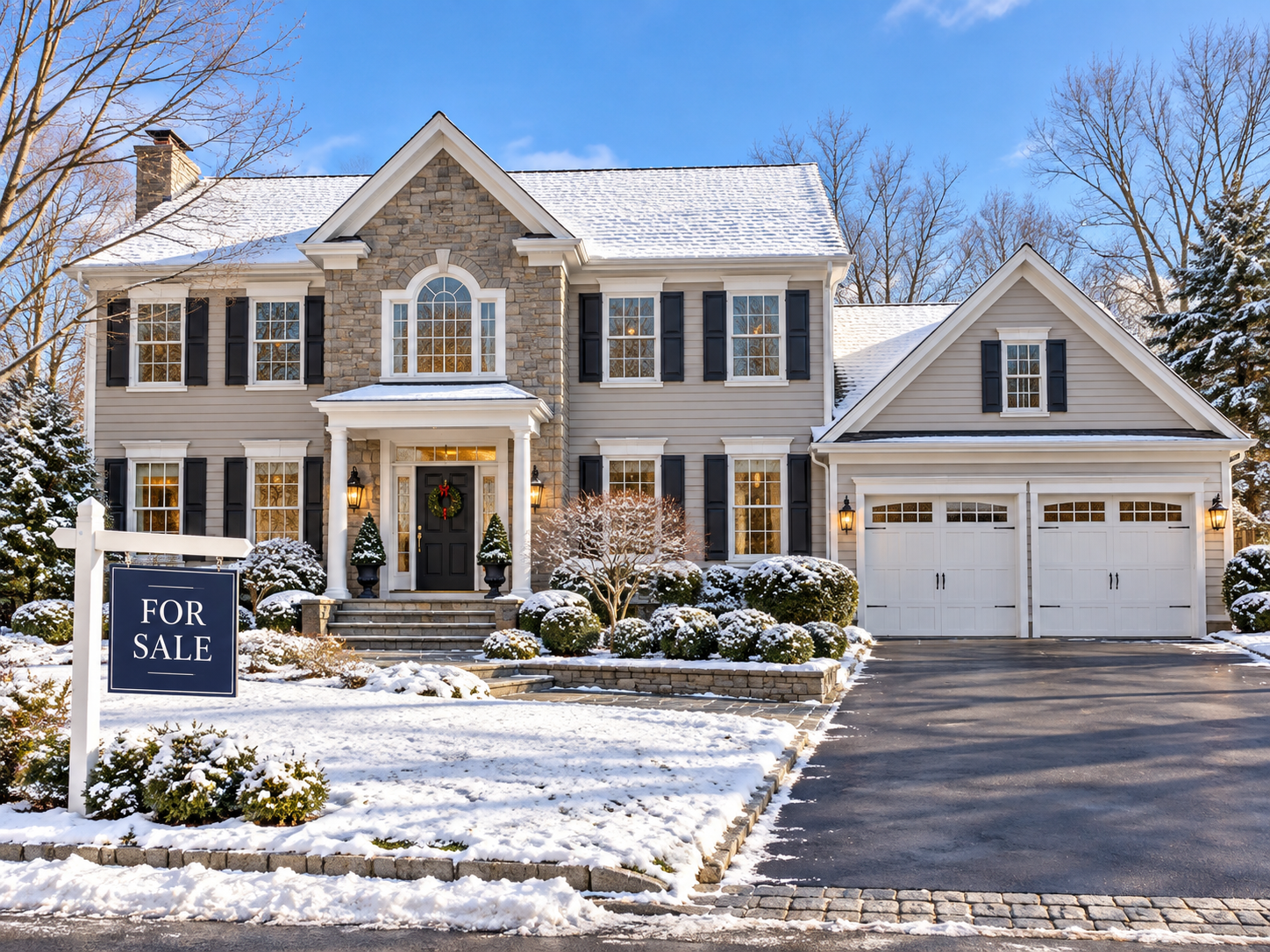
1. Why Could Winter 2026 Bring More Negotiating Opportunities?
The combination of rising housing inventory and slower buyer activity could give some New Jersey buyers additional room to negotiate.
According to New Jersey Realtors' September 2026 Housing Market Data, the number of homes available for sale increased 12.1% compared with September 2025, reaching 22,746 properties statewide.
During that same month, pending sales declined 11.3% year over year.
These numbers suggest that buyers have more properties to consider while fewer homes are moving into contract.
For sellers, that means competition may be changing.
For buyers, it may mean more opportunities to compare properties, consider asking prices carefully, and negotiate based on a home's condition and market history.
However, the statewide median sales price still reached $550,000 in September 2026, showing that home values remain strong.
So while negotiating conditions may be improving in certain situations, the market has not suddenly become favorable to buyers everywhere.
My advice: If you're preparing to sell this winter, pay close attention to recent comparable sales and competing listings in your town. Understanding current buyer expectations will help you make decisions with confidence.
2. Are More New Jersey Sellers Becoming Willing to Negotiate?
Some sellers may be more open to discussing price, repairs, or closing costs when a property has been listed longer than expected.
When a home first enters the market, the seller may feel confident about receiving the full asking price.
But if showing activity slows or buyers consistently raise concerns, the seller may decide to reconsider certain terms.
According to Realtor.com's September 2026 Housing Trends Report, 20.8% of active listings nationwide had experienced a price reduction.
This represented the highest September share of price reductions since 2018.
In the Northeast, the share was lower at 15.2%, reinforcing the importance of examining regional differences.
A price reduction doesn't necessarily indicate a problem with the property. It can simply mean the original asking price was higher than what current buyers were willing to pay.
For example, a home in Cranford that has remained listed for several weeks might attract renewed interest after a carefully considered adjustment.
Likewise, a seller in Morristown may decide to address inspection-related concerns rather than reduce the purchase price.
My advice: Negotiation doesn't always have to focus on the price alone. The right agreement considers the overall terms and what matters most to both parties.

3. How Are Mortgage Rates Affecting New Jersey Home Negotiations?
Higher mortgage rates can limit buyer purchasing power, making the total cost of homeownership an important part of negotiations.
Even when buyers find a home they love, monthly affordability may determine what they're able to offer.
According to Freddie Mac's Primary Mortgage Market Survey, the average 30-year fixed mortgage rate was 7.32% as of October 22, 2026.
That's higher than the 6.19% average recorded a year earlier.
To put this into perspective, consider a $400,000 mortgage over 30 years.
At a 6% interest rate, the monthly principal and interest payment would be approximately $2,398.
At 7.32%, that payment would increase to approximately $2,747.
That's about $349 more per month, before property taxes, insurance, and other ownership expenses.
For New Jersey buyers, these expenses can significantly influence purchasing decisions.
As a result, some buyers may negotiate more carefully or request help with certain closing expenses.
For sellers, understanding these affordability concerns can be valuable when evaluating offers.
My advice: Focus on the full financial picture, not just the asking price. A thoughtfully structured offer may create an opportunity for agreement without requiring either party to compromise unnecessarily.
Mortgage calculations are illustrative, rounded estimates and do not include taxes, insurance, fees, or other costs. Actual rates and payments vary.
4. Could Winter's Slower Pace Help Buyers and Sellers Reach an Agreement?
Winter typically brings a slower pace to residential real estate, which may allow some buyers and sellers more time to consider offers and negotiate terms.
Spring often brings increased activity, more listings, and greater buyer interest.
Winter, however, tends to have fewer transactions.
That doesn't mean homes stop selling.
Buyers continue searching for many reasons, including relocation, changing housing needs, or personal timelines.
For sellers, fewer active buyers may mean that a well-qualified offer deserves careful consideration.
For buyers, a property that has been available for an extended period may provide an opportunity to discuss terms that might have been less negotiable during a busier season.
However, fewer winter listings can also create competition for well-priced properties.
A beautifully updated home in Westfield or Summit may still attract significant interest if there aren't many comparable options available.
This is why local market knowledge matters.
My advice: Don't assume winter automatically means lower prices. Instead, evaluate each property based on its condition, market history, competition, and the seller's circumstances.

5. What Can Buyers Negotiate Besides the Purchase Price?
A successful real estate negotiation can involve several terms beyond the final sale price.
According to the National Association of Realtors' Consumer Guide to Seller Concessions, sellers may agree to contribute toward certain expenses associated with purchasing a property.
Depending on the transaction, negotiable items may include:
- Closing costs: A seller may agree to contribute toward eligible buyer expenses.
- Inspection-related repairs: The parties may agree on specific repairs or an appropriate credit.
- Closing timeline: Both sides may negotiate a date that supports their schedules.
- Included appliances or fixtures: Certain items may be discussed as part of the agreement.
- Mortgage-related concessions: Where permitted by the lender and loan program, a seller contribution may help cover eligible financing expenses.
Not every seller will agree to these requests, and financing guidelines may limit allowable concessions.
The key is determining which terms are most valuable to each party.
For example, a seller who wants to close before the end of the year may prioritize a dependable closing timeline.
A buyer may prefer assistance with eligible closing costs rather than a slightly lower purchase price.
A thoughtful negotiation considers the entire agreement.
My advice: Evaluate offers based on their overall strength, including financing, contingencies, timing, and the likelihood of closing successfully.
6. What Does This Mean for New Jersey Homeowners Planning to Sell?
Sellers can still achieve strong results, but preparing carefully and setting a realistic asking price are especially important when buyers have more options.
The New Jersey market continues to show resilience.
According to New Jersey Realtors, sellers received an average of 101.4% of their listing prices year-to-date through September 2026.
That indicates homes were still selling above asking price on average during the reporting period.
However, individual results vary considerably.
A home that's well-maintained, properly priced, and professionally marketed may attract strong interest even during the winter.
A property that requires significant repairs or is priced above comparable listings may face more resistance.
If you're considering a winter listing, I recommend focusing on five priorities:
1. Understand your home's market value.
Review recent sales and active listings in your specific town and price range.
2. Prepare your property thoughtfully.
Address minor repairs, improve lighting, and make rooms feel open and inviting.
3. Invest in professional presentation.
High-quality photographs and accurate property descriptions help buyers appreciate your home's features.
4. Establish your negotiating priorities.
Decide which terms matter most, including price, timing, repairs, and closing requirements.
5. Review market feedback.
Stay informed about showing activity, buyer comments, and competing listings so decisions are based on evidence.
For homeowners throughout Union, Morris, Middlesex, Somerset, and Essex Counties, these steps can help create a strong foundation for a successful winter sale.

7. Should You Wait Until Spring 2027 to Buy or Sell a New Jersey Home?
The right decision depends on your personal goals, financial situation, property condition, and local market conditions rather than the season alone.
It's tempting to wait for what seems like a more favorable market.
Buyers may hope mortgage rates decline.
Sellers may expect increased activity when spring arrives.
But future housing conditions are difficult to predict.
A lower mortgage rate could improve purchasing power, while additional buyer demand could create stronger competition.
Likewise, spring might bring more buyers, but it could also bring additional competing properties.
For sellers, waiting may be helpful if more preparation time is needed.
For others, moving forward during winter could make sense because of relocation plans or personal priorities.
Rather than trying to time the market perfectly, focus on understanding your options.
My advice: A good real estate decision starts with your goals, supported by current market information and a clear plan.
Thinking About Buying or Selling a New Jersey Home This Winter? Let's Talk.
Winter 2026 may bring an interesting shift in New Jersey real estate.
Buyers could find more opportunities to discuss pricing and transaction terms, while sellers may need to approach negotiations with a clear understanding of today's market.
But one thing hasn't changed: the right preparation, realistic expectations, and thoughtful guidance can make a meaningful difference.
As a lifelong New Jersey resident and real estate professional with Realty ONE Group, I understand that buying or selling a home is an important financial and personal decision.
My goal is to help you feel informed, supported, and confident from the first conversation through closing.
Whether you're preparing to sell, considering your next move, or simply curious about what the current market means for your property, I'm here to help you understand your options.
Curious What Your New Jersey Home Could Sell for This Winter?
Let's review your home's current market value, discuss local buyer activity, and create a plan that supports your goals.
No pressure, just clear information and practical guidance to help you make your next decision.
Contact Christine Cederquist | Realty ONE Group
Christine Cederquist
Realty ONE Group
Phone: +1 908-380-3555
Email: CederquistRealty@gmail.com
Serving homeowners throughout Union, Morris, Middlesex, Somerset, and Essex Counties, New Jersey.
Bringing Your Dream Home
Market figures reflect their stated reporting periods as of October 27, 2026. Future winter conditions are uncertain, and individual transaction results vary by property and location.
FAQs
Is winter 2026 a good time to negotiate on a New Jersey home?
It may be for certain properties. Rising inventory, slower buyer activity, and longer listing periods can create opportunities to negotiate. However, conditions vary by town and price range.
Are New Jersey home prices expected to fall during winter 2026?
There is no guarantee that prices will decline. New Jersey home values remained strong through September 2026, even as inventory increased. Individual properties may experience different pricing trends.
Can buyers ask sellers to pay closing costs?
Yes. Buyers can request eligible seller concessions as part of negotiations. Whether those concessions are accepted depends on the seller and the transaction terms, including applicable financing requirements.
Do New Jersey homes sell for less during winter?
Not necessarily. Seasonal demand may change, but pricing depends on property condition, location, inventory, and buyer competition. Some well-priced homes continue to attract strong offers during colder months.