Why NJ Luxury Home Sellers Need a New Strategy for 2027

Why Luxury Home Sellers in New Jersey May Need a Different Strategy Heading Into 2027
Thinking about selling a luxury home in New Jersey in 2027? The market is changing, and a beautiful property with a premium asking price may no longer be enough to attract the strongest possible offer.
Luxury homes continue to draw interest, but buyers have more information, more properties to compare, and specific expectations about what a higher-priced home should offer.
At the same time, housing inventory is increasing in New Jersey, while national luxury market reports show changes in pricing and buyer behavior.
For homeowners in Union, Morris, Middlesex, Somerset, and Essex Counties, these conditions make one thing clear: a luxury home deserves a selling strategy that reflects its individual features, competitive position, and the expectations of today's buyers.
As a lifelong New Jersey resident and real estate professional, I understand that selling a high-value property is a significant decision.
My goal is to help homeowners feel informed and supported while making thoughtful choices about pricing, preparation, and marketing.
Here is what luxury home sellers should know as 2027 approaches.

1. What Is Changing in New Jersey's Luxury Housing Market?
New Jersey's housing market remains active, but rising inventory and slower buyer activity are making accurate pricing and strong presentation increasingly important.
According to the New Jersey Realtors September 2026 Housing Market Report, the state recorded 22,746 homes for sale in September, representing a 12.1% increase compared with September 2025.
The statewide median sales price reached $550,000, up 2.8% year over year.
At the same time:
- New listings increased 3.8%.
- Closed sales declined 5.8%.
- Pending sales decreased 11.3%.
- The year-to-date median sales price for single-family homes reached $615,000.
These numbers show that property values remained strong overall, even as the number of available homes increased.
However, these statewide figures include properties across different price ranges. They should not be treated as a direct measure of luxury home performance.
For homeowners preparing to sell a higher-priced property, the important question is how much competition exists within their specific price range and community.
A luxury home in Summit, for example, may face a different level of competition than a property in Mendham, Westfield, or another New Jersey community.
Understanding those differences is essential before selecting an asking price.

2. Are Luxury Home Prices Changing as 2027 Approaches?
National luxury market data suggests that asking-price thresholds have been softening, even though high-end properties continue to attract buyer activity.
According to Realtor.com's October 2026 Luxury Housing Report, the national entry point for luxury listings, defined as the 90th percentile of asking prices, was approximately $1,197,014.
That represented a 2.3% decline compared with October 2025.
The report also found:
- The 95th-percentile luxury threshold was approximately $1.87 million, down 4.1% year over year.
- The 99th-percentile threshold was approximately $5.13 million, down 6.2%.
- Luxury listings at the 90th percentile spent a median of 73 days on the market, five days fewer than a year earlier.
These findings highlight an important distinction.
Luxury asking-price thresholds have declined nationally, but homes in the upper price ranges are still selling.
The figures reflect national listings, not New Jersey closed-sale prices. They also do not indicate that every luxury property has depreciated.
For New Jersey homeowners, the lesson is to avoid relying on broad headlines when determining what their property is worth.
A luxury home should be evaluated using recent comparable sales, local inventory, property condition, and features that buyers are willing to pay for.
The strongest asking price is one supported by current market evidence, not simply the highest number a seller hopes to achieve.

3. Why Does Strategic Pricing Matter So Much for Luxury Homes?
Luxury properties often require a more detailed pricing analysis because fewer homes may offer directly comparable features, sizes, and finishes.
A traditional home in a neighborhood with many similar properties may have several recent sales that provide a useful pricing reference.
Luxury properties can be more difficult to compare.
One home may feature extensive custom millwork, a recently renovated kitchen, and beautifully maintained grounds.
Another may offer a larger lot, multiple entertaining areas, an outdoor pool, or architectural details that are uncommon in nearby properties.
These differences matter.
When setting a luxury home's asking price, homeowners should consider:
- Recent sales within the relevant price range
- Similar properties currently listed for sale
- Property size, location, and lot characteristics
- Quality and condition of renovations
- Architectural details and custom features
- How long comparable homes remain on the market
Some homeowners may consider listing significantly above the supported market value to leave room for negotiation.
However, an asking price that is too high can reduce buyer interest and extend the marketing period.
In a higher price range, carrying costs such as property taxes, insurance, utilities, and maintenance can make additional time on the market expensive.
That is why I believe luxury home pricing should begin with a thoughtful assessment of the market.
The goal is to attract qualified interest while protecting the property's value and the seller's negotiating position.
4. What Are Luxury Homebuyers Looking for in 2027?
Higher-priced buyers may place considerable importance on property condition, functional layouts, quality finishes, and features that support comfortable everyday living.
Luxury expectations can change over time.
According to the Sotheby's International Realty 2026 Mid-Year Luxury Outlook, lifestyle considerations are influencing luxury real estate decisions.
In its survey, 62% of real estate professionals reported that lifestyle had become an increasingly important consideration for buyers.
The report also highlighted interest in wellness-related design, long-term livability, and carefully considered residential amenities.
These findings reflect a broader luxury market survey rather than a New Jersey-specific buyer study.
Still, they provide useful questions for local sellers to consider.
Does your home offer features that support the way buyers may want to use their space?
Examples include:
- Updated kitchens with quality appliances and generous workspace
- Well-appointed primary suites
- Flexible home offices and additional living areas
- Outdoor patios, gardens, or entertaining spaces
- Energy-conscious systems and updated mechanical equipment
- Thoughtful storage and comfortable room layouts
Not every luxury home needs every feature.
Instead, homeowners should focus on the property's strongest attributes and how those features compare with nearby listings.
A beautifully maintained historic estate may appeal for different reasons than a newly constructed contemporary property.
The marketing should accurately communicate those differences.

5. Why Is Professional Presentation Especially Important for Luxury Listings?
Luxury buyers often form their first impression online, making professional photography, thoughtful staging, and a clear property story important parts of the selling process.
Consider how buyers first encounter a home.
Before scheduling a private showing, they may review photographs, floor plans, property descriptions, and video tours.
The presentation should give them a clear understanding of the property's design, condition, and strongest features.
For a luxury listing, professional marketing may include:
- High-resolution architectural photography
- Thoughtful staging or furniture placement
- Accurate floor plans
- Professional video tours
- Exterior and landscape photography
- Drone photography when appropriate and permitted
- Detailed descriptions of verified upgrades and amenities
Photographs should highlight the property accurately rather than create unrealistic expectations.
For example, a beautifully designed outdoor patio deserves photographs that show its actual size and relationship to the home.
A renovated kitchen should be presented with enough detail for buyers to appreciate the finishes and layout.
The same applies to original woodwork, custom lighting, stonework, fireplaces, and other architectural elements.
Professional presentation is about helping buyers see the property clearly and understand what makes it worth considering.
And because preparing a high-value home can involve additional details, I believe sellers benefit from a practical preparation plan that focuses on the work most likely to matter.

6. Why Should Luxury Sellers Use a More Focused Marketing Strategy?
Luxury home marketing should reach buyers whose property requirements, budgets, and preferred locations are consistent with the listing.
Simply placing a luxury property online and hoping the right buyer finds it may not be enough.
A strong marketing strategy begins with understanding the home's features and where it competes in the local market.
For example, buyers searching for an upscale property near downtown Summit may be evaluating different amenities than those considering a larger estate property in Morris County.
Some prioritize transportation convenience and updated interiors.
Others focus on acreage, outdoor amenities, architecture, or additional living space.
A thoughtful marketing plan should communicate these property features through appropriate channels.
That may include professional listing photography, high-quality video, digital advertising, brokerage networks, and direct communication with real estate professionals who work with properties in the relevant price range.
Luxury marketing can also benefit from detailed property information that helps buyers evaluate a listing before requesting a showing.
The goal isn't simply to attract the largest number of online views.
It's to connect the home with buyers who are genuinely interested in the location, features, and price range.
7. Does the Best Luxury Selling Strategy Differ Across New Jersey Counties?
Yes. Luxury real estate is highly local, and the price range that represents the upper end of one market may differ significantly from another.
In Union County, buyers considering properties in Westfield, Summit, or Scotch Plains may encounter different architectural styles, lot sizes, and price expectations.
In Morris County, communities such as Mendham, Chatham, and Morristown offer varying residential settings and property characteristics.
Somerset County includes markets such as Basking Ridge and Bernardsville, where individual properties may have substantial differences in acreage, architecture, and amenities.
Essex County communities, including Montclair and Short Hills, offer another range of housing types and location features.
Middlesex County also has its own higher-priced housing segments, with market conditions that can differ by town and property type.
According to the North Central Jersey Association of REALTORS September 2026 Market Statistics, regional single-family closed sales declined 7.2% year over year while the median sales price increased 4.1% to $661,000.
These are broad regional figures, not luxury-only statistics, but they reinforce the importance of examining pricing and sales activity together.
For homeowners, the best approach is to review comparable properties within the local luxury market rather than assume statewide or national trends apply equally everywhere
8. Should Luxury Homeowners Make Major Renovations Before Selling?
Not every luxury property requires extensive renovations before going on the market. The better approach is to identify which improvements are likely to strengthen buyer interest without unnecessary spending.
It's common for homeowners to wonder whether they should renovate a kitchen, update bathrooms, or undertake a major landscaping project before selling.
Those decisions deserve careful consideration.
A significant renovation can be costly, and the amount spent may not be recovered through the final sales price.
Sometimes smaller improvements can create a meaningful difference in presentation.
These may include:
- Professional cleaning and organizing
- Interior painting in neutral tones
- Repairing visible maintenance issues
- Updating worn fixtures where appropriate
- Refreshing landscaping and outdoor areas
- Servicing important mechanical systems
- Arranging furnishings to show room dimensions clearly
For certain properties, larger updates may be appropriate.
The decision should depend on the home's condition, expected buyer response, comparable listings, and the seller's financial goals.
Before investing in significant changes, I recommend reviewing the home's current market position and discussing which improvements are likely to be worthwhile.
The goal is to prepare the property thoughtfully, not spend money simply because it falls within a higher price range.
9. Is Late 2026 or Early 2027 the Right Time to Sell a Luxury Home in New Jersey?
There is no single best selling date for every luxury property. Timing should reflect current local demand, competing inventory, property readiness, and the homeowner's goals.
Some homeowners may benefit from listing before the end of 2026.
Others may prefer to spend time preparing the home and developing a marketing plan for early 2027.
Luxury properties can require additional preparation because of their size, custom features, photography needs, and the smaller pool of buyers searching within certain price ranges.
It's also important to recognize that a longer marketing period does not automatically mean a property is overpriced.
Realtor.com October 2026 report found that nationally, listings at the 99th percentile of asking prices spent a median of 97 days on the market.
That was longer than the overall national listing median of 63 days, although the highest-priced listings were moving faster than they had a year earlier.
These figures do not establish the expected marketing time for a specific New Jersey property.
Instead, they demonstrate why luxury sellers should plan for conditions within their own market segment.
Before deciding when to list, consider three questions:
- What is my property's realistic value based on current comparable sales?
- How much preparation and marketing does my home need?
- What selling timeline supports my financial and personal plans?
Answering these questions can make the process feel more organized and manageable.
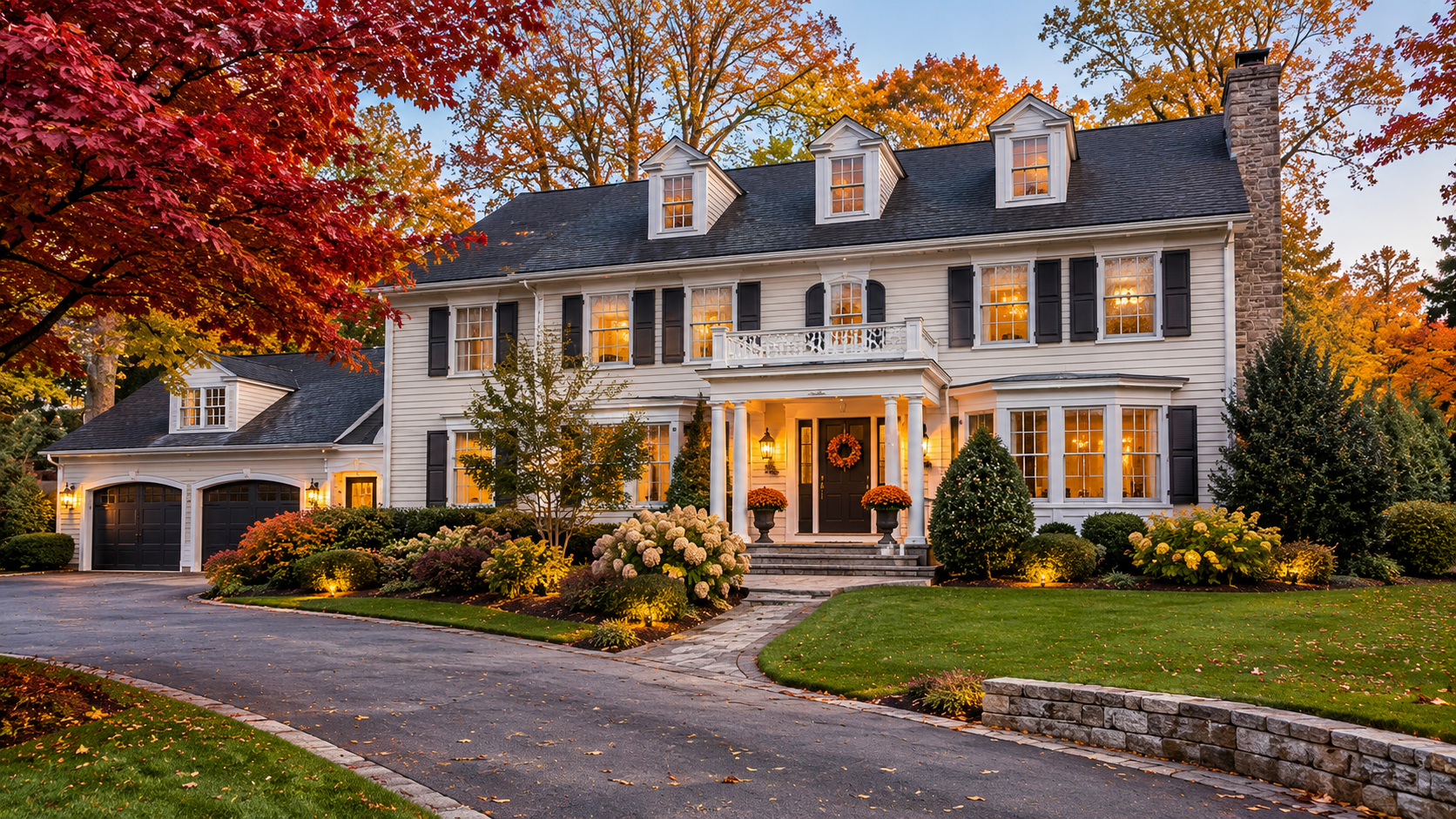
10. What Is the Biggest Takeaway for Luxury Home Sellers Heading Into 2027?
The most effective luxury home selling strategy begins with understanding that higher-priced properties need individual attention to pricing, presentation, marketing, and timing.
New Jersey's housing market is providing buyers with more choices, while national luxury data shows that higher asking prices do not automatically translate into stronger market performance.
That doesn't mean luxury homeowners should feel discouraged.
It means they should be prepared.
A property with thoughtful presentation, accurate pricing, and a marketing plan that reflects its features can stand out in a competitive market.
Just as importantly, sellers deserve clear communication about showing activity, buyer feedback, comparable sales, and any changes that may affect their decisions.
A luxury home is a significant asset, and selling it should never feel like guesswork.
Whether you're preparing to list soon or considering a sale in 2027, understanding your home's market position is the first step toward making a confident decision.
Thinking About Selling Your Luxury Home in New Jersey? Let's Create the Right Strategy.
If you've been wondering what your luxury home could sell for in today's market, I'd be happy to help you take a closer look.
As a lifelong New Jersey resident and a real estate professional with Realty ONE Group, I understand that selling a higher-value property involves important decisions about pricing, preparation, and presentation.
My approach begins with listening to your goals, reviewing current comparable sales, and creating a thoughtful marketing plan that reflects your home's strongest features.
Whether your property is a beautifully updated Colonial, a spacious estate, or a well-appointed contemporary residence, you deserve personalized attention and straightforward guidance.
Ready to understand what your New Jersey luxury home could sell for heading into 2027? Contact me for a personalized home value review, and let's discuss a selling strategy that supports your goals.
Christine Cederquist
Realty ONE Group
Phone: +1 908-380-3555
Email: CederquistRealty@gmail.com
I'm here to help you feel informed, supported, and confident throughout the selling process.
FAQs
Is New Jersey's luxury housing market slowing down?
Market conditions vary by community and price range. New Jersey's overall inventory increased in September 2026, while national luxury asking-price thresholds declined in October. These trends suggest that sellers should pay close attention to local competition, but they do not prove that every New Jersey luxury market is slowing.
What qualifies as a luxury home in New Jersey?
There is no single statewide luxury price threshold. A property is generally considered luxury based on its position within the local market, along with its value, features, condition, and location. A price considered high-end in one community may be typical in another.
Why is luxury home pricing different?
Luxury properties may have custom features, architectural details, and property characteristics that make direct comparisons more difficult. A detailed market analysis helps establish an asking price supported by relevant sales and current competition.
How long does it take to sell a luxury home in New Jersey?
There is no guaranteed timeline. Marketing periods depend on location, price, condition, inventory, and buyer demand. National luxury listings can remain on the market longer than typical properties, but local sales data is the better reference when planning a New Jersey sale.