Why Location Still Matters in New Jersey Real Estate

Why Location Still Matters in New Jersey Realty, Even When Buyers Have More Choices
More choices can give New Jersey home buyers greater flexibility, but the address still matters. The home itself is only one part of a real estate decision. Property taxes, transportation, nearby amenities, commute options, community characteristics, and future buyer demand can all differ significantly from one New Jersey municipality to the next.
That is why choosing a home should involve two questions: Does the property work for you, and does its location support the way you want to live?
National Association of REALTORS® research reinforces just how much location continues to matter. Its 2025 Profile of Home Buyers and Sellers found that 59% of buyers identified the quality of the neighborhood as an important factor in choosing where to live, while 47% considered convenience to friends and relatives.

Why Does Location Still Matter When Buyers Have More Homes to Consider?
Having more properties to compare does not make location less important. In many ways, having additional choices gives buyers a better opportunity to compare not only homes, but also the communities surrounding them.
Two houses can have similar square footage, bedroom counts, updates, and asking prices while providing very different day-to-day experiences.
A buyer might compare:
Access to major roads or public transportation
Property taxes
Parks and recreation
Shopping and dining
Municipal services
Lot size
Home styles
Commute time
Access to everyday services
NAR recommends considering factors such as location, convenience, transportation, recreation, privacy, size, and amenities when determining what type of home fits your needs.
The best choice is not necessarily the house with the longest list of upgrades. It is the property and location that make sense together.
1. Your Location Affects Everyday Convenience
New Jersey offers very different living arrangements within relatively short distances.
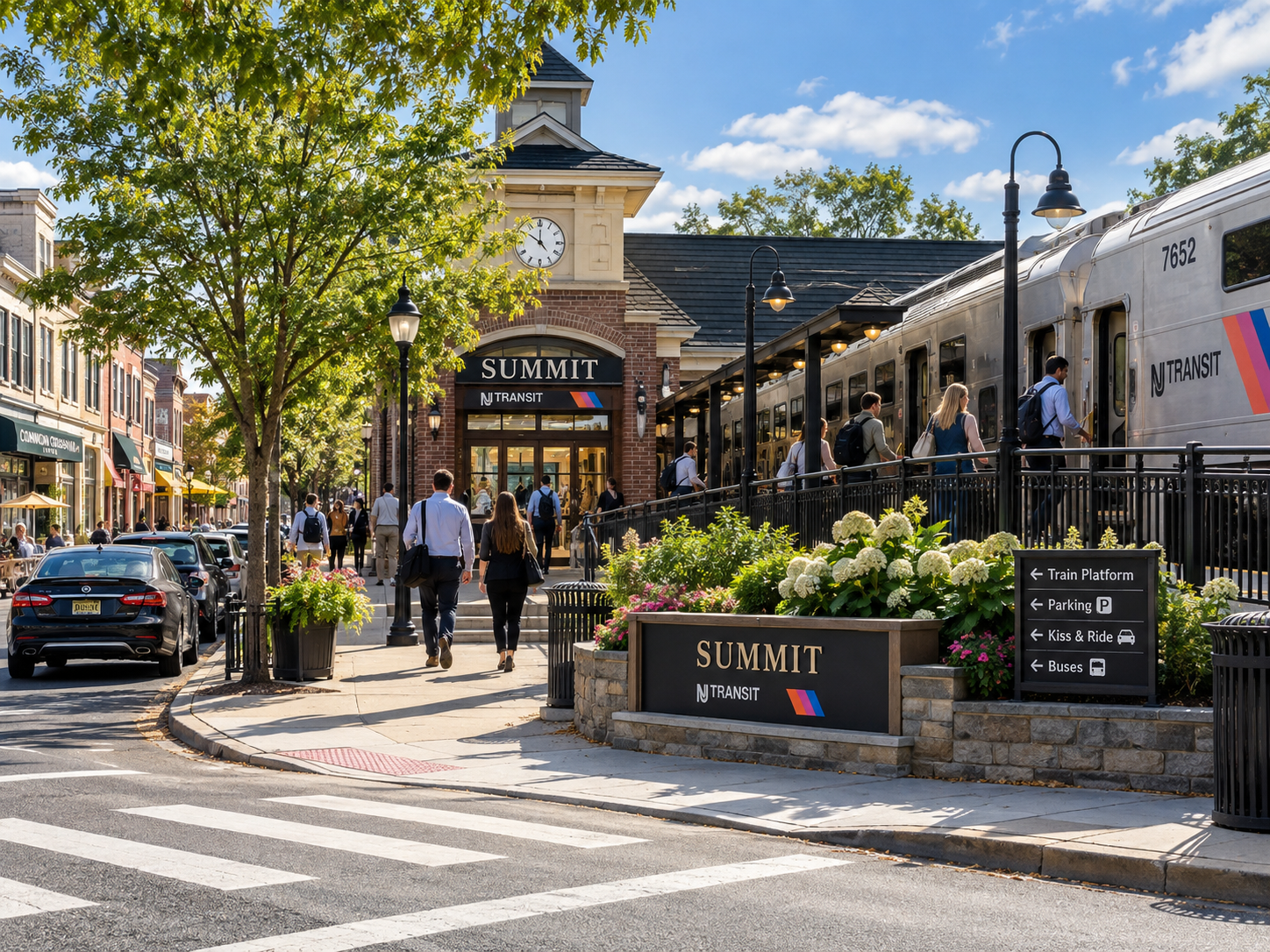
A buyer could consider a property near a downtown district, another near a train station, and another with easier access to major highways. Each option may work well, but for different reasons.
Think about your regular schedule.
How often do you commute? Where do you shop? Do you use public transportation? Are parks, restaurants, recreation, or local businesses important to you?
These questions can help you decide which locations deserve more of your attention.
Recent NAR research also found strong interest in communities offering convenient access to everyday destinations. In its July 2026 Community and Transportation Preference Survey, NAR reported that Americans value access to places such as parks, shops, restaurants, schools, and workplaces.

2. Property Taxes Can Change From One Municipality to Another
Purchase price is only part of the cost of owning a New Jersey home.
Property taxes should also be reviewed carefully because tax rates and tax bills differ across municipalities. A buyer comparing similarly priced homes in two towns could end up with different monthly housing costs.
The New Jersey Division of Taxation publishes general and effective property tax rates by county and municipality, giving buyers an official resource for comparing areas. The state explains that the general tax rate is used to calculate the tax levied against a property's assessed value.
Before making an offer, review the actual tax information for the property rather than relying solely on a general estimate.
3. Transportation Can Still Influence a Buyer's Decision
Remote and hybrid work have changed how some buyers think about commuting, but transportation access has not stopped mattering.
NAR's 2025 buyer research found that convenience to a buyer's job influenced 31% of neighborhood choices. The percentage has fallen compared with earlier years, yet transportation remains one part of the decision for many home buyers.
That can be especially relevant in New Jersey, where buyers may consider access to:
NJ TRANSIT rail stations
Bus service
Major highways
Employment centers
New York City connections
Philadelphia-area transportation
Local downtown districts
A home does not need to be close to every transportation option. What matters is whether its location makes sense for the buyer's actual routine.
4. Buyers Should Compare the Community, Not Just the Kitchen
Updated kitchens, refreshed bathrooms, finished basements, and outdoor spaces can make a strong first impression.
But many interior features can be changed.
The address cannot.
That is why I encourage buyers to think beyond what they see during the showing. Look at the surrounding area, visit at different times when practical, check transportation options, review property taxes, and consider how the location fits your normal routine.
A beautiful kitchen might catch your attention today. The location will affect your experience long after moving day.
5. More Choices Can Actually Make Location Comparison More Important
When inventory gives buyers several possible homes to consider, it becomes easier to compare similar properties across nearby New Jersey communities.
Instead of asking only:
“Which house do I like most?”
Try asking:
“Which property gives me the right home in the location that best supports my priorities?”
For example, one home may offer additional interior space while another provides easier access to transportation. One may have lower taxes while another puts the buyer closer to amenities they use frequently.
There may not be one correct answer.
The value comes from understanding the tradeoffs before making a decision.
New Jersey REALTORS® publishes statewide and county housing reports each month, which can also help buyers and sellers understand differences in local market activity.
6. Location Can Matter Again When It Is Time to Sell
Today's buyer may eventually become tomorrow's seller.
Features that appeal to buyers in a particular area can influence how a property is positioned when it returns to the market. Transportation, nearby amenities, lot characteristics, home style, local housing supply, and current buyer demand can all play a part.
Nationally, NAR's second-quarter 2026 report found that home prices increased year over year in 80% of the metro areas it tracked. That is a useful reminder that real estate performance can vary by market rather than moving exactly the same way everywhere.
For homeowners thinking about selling, local information matters for another reason. Buyers will compare your home with other available properties nearby.
Good preparation, accurate pricing, strong presentation, and a clear understanding of local competition can help position your property effectively.

7. Different New Jersey Buyers Prioritize Different Things
There is no single New Jersey location that works for everyone.
Some buyers prioritize transportation. Others care more about space, taxes, proximity to daily destinations, housing style, or access to recreation.
NAR's buyer research reflects this variation. Its 2025 data found that neighborhood quality, convenience to friends and relatives, housing affordability, job convenience, and shopping convenience all played a role in buyers' decisions, although their importance varied among age groups.
That makes having a clear list of priorities helpful before you begin comparing properties.
Consider identifying:
Must-haves: Factors that strongly affect your decision.
Preferences: Features you would appreciate but could compromise on.
Tradeoffs: Things you would accept in exchange for something that matters more.
A clear list makes it easier to compare several good homes without losing sight of what actually matters to you.
What Should New Jersey Buyers Research About a Location?
Before making an offer, consider checking several objective factors:
Current property taxes
Transportation options
Distance to places you regularly visit
Nearby parks and recreation
Shopping and dining access
Municipal information
Recent comparable home sales
Current listings nearby
Typical market time
Property condition and surrounding housing characteristics
Your real estate agent can help you gather property and market information while directing you to official resources when you need additional details.
Location Matters for Sellers, Too
Location is not something a seller can change, but how the property is presented within that location can make a difference.
If you are preparing to sell a New Jersey home, your marketing should clearly communicate objective benefits buyers may value, such as convenient transportation access, nearby parks, local shopping, community amenities, architectural details, property updates, and usable outdoor areas.
Pricing should also reflect recent sales and current competition in your immediate market rather than relying only on broader state trends.
The goal is to help buyers understand what the home offers and how its setting may fit their priorities.

Thinking About Buying or Selling in New Jersey?
More choices can make real estate decisions feel easier at first, but comparing homes across different New Jersey communities can quickly become complicated.
That is where good local information helps.
As a lifelong New Jersey resident and real estate professional serving Union, Morris, Middlesex, Somerset, and Essex Counties, I help clients look beyond the listing photos and understand the details that can affect their decision.
If you are buying, we can compare homes, locations, recent sales, taxes, and local market conditions.
If you are preparing to sell, I can help you understand how your home's location, condition, presentation, and current competition may influence your pricing and marketing plan.
Ready to talk about your New Jersey real estate goals? I’m here to help you make your next decision with clear information and a plan that works for you.
Christine Cederquist
Realty ONE Group
Phone: +1 908-380-3555
Email: CederquistRealty@gmail.com
FAQs
Does location still matter if buyers have more homes to choose from?
Yes. Additional choices allow buyers to compare more properties, but location continues to affect transportation, property taxes, access to amenities, daily convenience, and future marketability.
What should I compare between two New Jersey towns?
Look at the factors that directly affect your lifestyle and housing costs, including property taxes, transportation, amenities, housing options, recent home sales, and distance to places you regularly need to reach.
Does commuting still matter to home buyers?
Yes, although its importance varies. NAR's latest buyer research shows that convenience to work remains a neighborhood consideration for a portion of buyers, while access to amenities and other personal priorities also influence decisions.
How can a real estate agent help me compare locations?
A local agent can provide recent sales information, current listing data, property details, market activity, and context about transportation and nearby amenities. The goal is to help you compare objective information so you can choose the property that fits your priorities.