What Is Driving NJ Real Estate Demand in Late 2026?

What Is Driving New Jersey Real Estate Demand Right Now in the Remaining Months of 2026?
New Jersey real estate demand is still being supported by several forces as 2026 moves into its final months, including continued housing needs, population growth, high rental costs, local employment, and demand for well-located homes.
At the same time, buyers are facing a major challenge: mortgage rates moved above 7% at the end of September. That means demand has not disappeared, but buyers are being more careful about price, condition, taxes, and overall monthly cost.
The result is a New Jersey market where well-positioned homes can still attract attention, while sellers may need to work harder to stand apart from growing inventory.
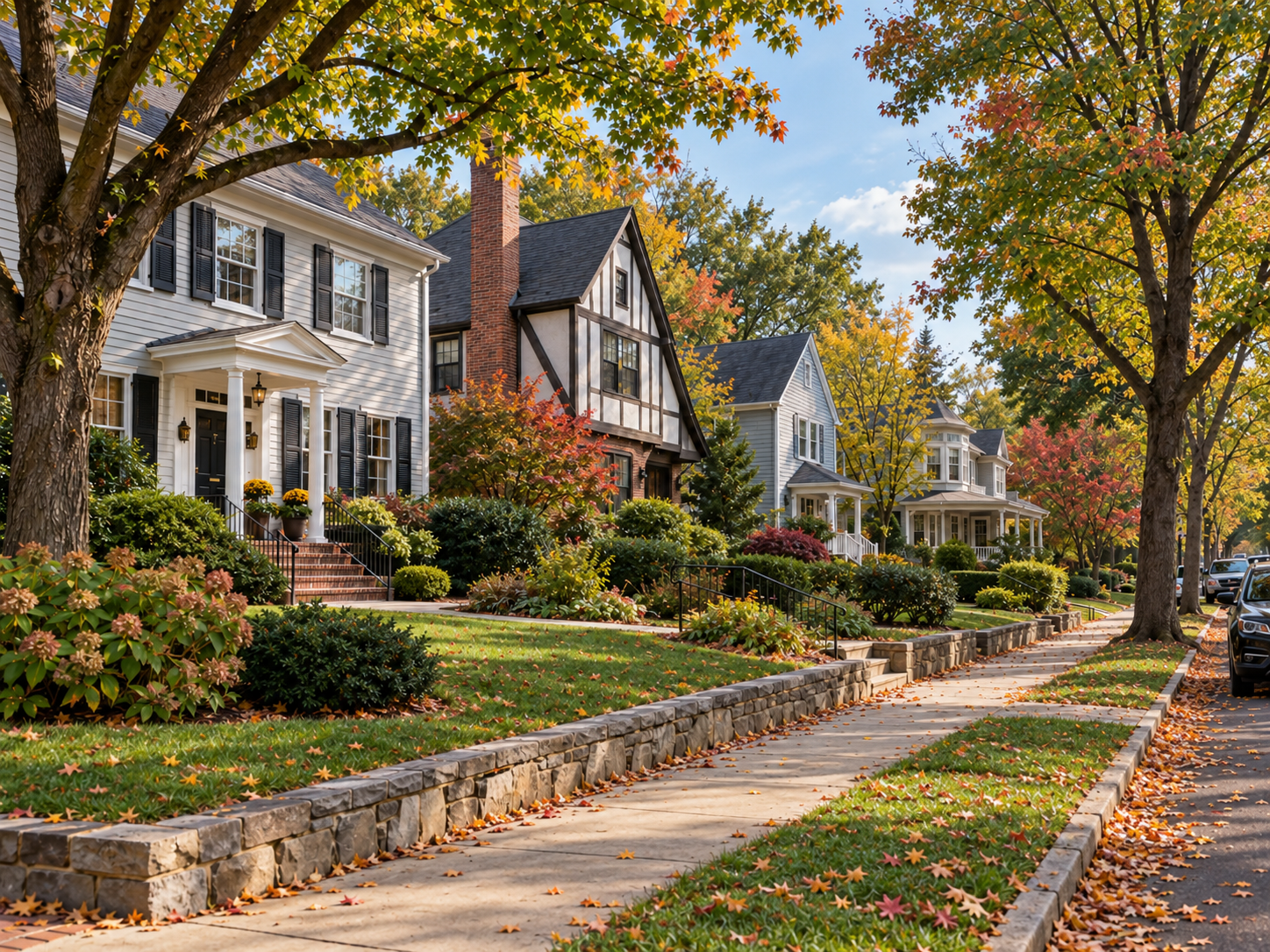
Is There Still Strong Housing Demand in New Jersey?
Yes, New Jersey continues to show meaningful housing demand, although conditions vary by county, municipality, price range, and property type.
Realtor.com currently describes New Jersey as a hot market, with homes taking a median of about 44 days to sell in September 2026 and selling for approximately their asking price on average.
At the same time, statewide inventory has increased.
Federal Reserve Economic Data, using Realtor.com figures, reported about 21,036 active New Jersey listings in September 2026, compared with 17,902 one year earlier. The statewide median listing price was approximately $559,500, compared with $557,125 in September 2025.
Those numbers point to a market where buyers have more choices, but prices have remained relatively steady.

1. New Jersey Still Has More Housing Demand Than Supply in Many Areas
Inventory is improving, but New Jersey continues to face longer-term housing supply challenges.
The state government has identified housing availability and affordability as significant concerns. In September 2026, New Jersey announced plans intended to increase housing production, including a proposal to develop up to 40,000 homes on state-owned land and measures aimed at speeding up permitting.
That type of policy response reflects a broader issue: housing demand has remained strong enough that the state is actively working to add supply.
For buyers, more listings are helpful.
For sellers, it means the market may still reward homes that are priced appropriately and presented well, especially in communities where available inventory remains limited relative to buyer interest.
2. Population Growth Continues to Add Housing Needs
New Jersey's population has increased in recent years.
U.S. Census Bureau estimates put the state's population at approximately 9.55 million residents as of July 1, 2025, up about 2.8% from the April 2020 estimate base.
Population growth does not automatically translate into the same amount of home-buying activity every year, but more residents create continued need for housing across both ownership and rental markets.
That demand can show up differently across New Jersey.
Some buyers prioritize transportation access. Others are looking for additional space, certain home styles, lower-maintenance properties, or convenient access to shops, parks, and local services.
This is why statewide numbers are helpful, but local data matters much more when pricing or purchasing an individual property.

3. New Jersey's Employment Base Supports Housing Activity
Employment is another factor behind housing demand.
The New Jersey Department of Labor reported approximately 4.36 million nonfarm jobs in August 2026, with the state's unemployment rate at 4.3%.
Employment conditions can affect buyers' ability and willingness to purchase homes, particularly when they feel comfortable taking on a long-term housing payment.
Different sectors performed differently in August, so the employment picture is not uniformly strong. Construction, leisure and hospitality, trade, transportation, and utilities posted gains, while some other sectors reported losses.
For real estate, the key point is that New Jersey still has a large employment base supporting housing activity, even as economic uncertainty may make some buyers more cautious.
4. High Rental Costs Can Keep Homeownership on the Radar
Renting in New Jersey remains costly.
Zillow reported an average statewide rent of about $2,400 per month in late September 2026 across property types. For detached rental houses, the average was approximately $3,395 per month.
That does not automatically mean buying is cheaper.
Homeowners must also account for mortgage rates, property taxes, insurance, maintenance, and upfront costs.
Still, high rents can lead some renters to compare the long-term costs of renting with the possibility of buying.
For buyers who expect to stay in one place for several years and have the financial capacity to purchase, ownership may remain worth considering even when borrowing costs are high.
5. Home Values Have Remained Relatively Firm
New Jersey home values have also remained strong through much of 2026.
The Zillow Home Value Index for New Jersey, published through the Federal Reserve Bank of St. Louis, reached approximately $580,353 in August 2026, up from roughly $574,362 in April.
Rising or steady home values can reinforce demand because buyers may view homeownership as a longer-term financial decision rather than simply comparing today's payment.
For sellers, stable values do not mean every property can command any price.
Buyers are looking closely at condition, taxes, updates, location, and comparable sales.
A home that makes sense at its asking price has a better chance of attracting serious interest than one that enters the market above what current buyers are willing to pay.
6. Mortgage Rates Are Limiting How Much Demand Can Turn Into Sales
The biggest pressure on late-2026 buyer demand is financing.
Freddie Mac reported an average 30-year fixed mortgage rate of 7.28% on October 1, 2026, compared with 7.03% the previous week.
Higher rates increase monthly payments and can reduce what buyers are able or willing to spend.
National September data shows the effect clearly.
Realtor.com reported that pending home inventory fell 4.1% year over year, while price reductions reached 20.8% of active listings, the highest September share since 2018.
Zillow also reported that newly pending sales nationally fell 8.5% year over year in September as mortgage rates reached their highest level since late 2023.
This is an important distinction:
Housing need and buyer interest can remain strong while actual transactions slow because financing becomes more expensive.
7. Buyers Have More Choices, So Condition and Pricing Matter More
One of the biggest changes heading into the final months of 2026 is increased inventory.
New Jersey active listings rose from 17,902 in September 2025 to 21,036 in September 2026, an increase of roughly 17%.
That gives buyers more properties to compare.
As a result, sellers may face greater competition from nearby listings.
Today's buyers may pay closer attention to:
Asking price
Property taxes
Condition
Major repairs
Updated kitchens and bathrooms
Natural light
Functional layouts
Outdoor areas
Transportation access
Nearby shops, parks, and services
When buyers have choices, presentation can affect whether a home gets added to the showing list or passed over.
For sellers, the goal is not simply to list a property.
It is to make sure the property makes sense compared with what buyers can purchase nearby.
8. Demand Is Becoming More Local and Property-Specific
New Jersey is not one single real estate market.
Conditions in Union County may look different from Morris County, Somerset County, Middlesex County, or Essex County.
Even within a county, demand can change by municipality, property style, price range, and condition.
For example, September data showed a statewide median listing price of roughly $559,500, while Union County's median listing price was closer to $599,450.
That is why broad headlines should not be the only factor behind a selling decision.
A homeowner needs to know what is happening among properties that buyers would realistically compare with their home.
What Could Keep New Jersey Demand Active Through the End of 2026?
Several factors could continue supporting buyer activity:
Continued housing needs
A large state population
High rental costs
Local employment
Limited housing availability in some areas
Buyers who delayed purchases earlier in the year
Sellers adjusting prices to current conditions
More inventory giving buyers additional choices
At the same time, mortgage rates above 7% remain a major restraint.
That means the late-2026 market may be less about widespread bidding competition and more about serious buyers responding to homes that offer clear value.
Sellers should not assume every property will attract immediate offers simply because New Jersey has housing demand.
The property still has to compete effectively.
What Does This Mean for New Jersey Sellers?
For homeowners considering a sale during the remaining months of 2026, the market is sending a fairly clear message.
Demand is still there, but buyers have more choices and higher financing costs.
That makes preparation especially important.
Before listing, consider reviewing:
Recent comparable sales
Current competing listings
Pending properties
Price reductions nearby
Current market time
Property condition
Repairs that could affect buyer confidence
Presentation and photography
Pricing strategy
A well-prepared home can make it easier for buyers to understand the value they are receiving.
Pricing also needs to reflect today's market, not conditions from six or twelve months ago.

What Does This Mean for Buyers?
Buyers heading into late 2026 may find more choices than they had previously.
That can provide additional time to compare properties, but affordability remains an important concern.
Before making an offer, buyers should look closely at:
Monthly mortgage payment
Property taxes
Homeowners insurance
Expected maintenance
Needed repairs
Available cash after closing
Recent comparable sales
Listing history
A lower purchase price does not automatically make a property the better financial choice if significant repairs or carrying costs are involved.
What Is Really Driving New Jersey Real Estate Demand Right Now?
There is no single factor.
Demand in New Jersey during the final months of 2026 is being supported by continued housing needs, population growth, employment, high rental costs, steady home values, and limited supply in parts of the state.
At the same time, higher mortgage rates are reducing purchasing power and encouraging buyers to compare homes more carefully.
That combination is creating a market where buyers can have more choices without eliminating seller opportunities.
For homeowners, the key question is not simply:
“Is there demand in New Jersey?”
A more useful question is:
“How much demand is there for a home like mine, in my area, at my price point, right now?”
That is the information that can guide a stronger selling plan.
Thinking About Selling Your New Jersey Home Before the End of 2026?
If selling is on your mind, current statewide headlines are only the starting point.
I can help you review recent sales, current competition, pricing, condition, and buyer activity in your specific market so you have a clearer picture of where your property stands.
My focus is on keeping the process organized, communicating clearly, and helping you prepare your home in a way that speaks to today's buyers.
Curious what current New Jersey buyer demand could mean for your home? Let's review your property, your timeline, and the local numbers together.
Christine Cederquist
Realty ONE Group
Phone: +1 908-380-3555
Email: CederquistRealty@gmail.com

FAQs
Is New Jersey still a seller's market in late 2026?
Conditions vary by municipality and price range. New Jersey continues to show strong housing activity in many areas, but inventory has increased and higher mortgage rates are giving buyers more time and choice in some markets.
Are there more homes for sale in New Jersey now?
Yes. Realtor.com data published through FRED shows approximately 21,036 active listings in September 2026, compared with 17,902 a year earlier.
Are New Jersey home prices falling?
Statewide asking prices have remained relatively steady. The September 2026 median listing price was about $559,500, compared with approximately $557,125 in September 2025. Individual markets can perform differently.
Is it still possible to sell successfully before the end of 2026?
Yes, depending on the property and local market conditions. Sellers can improve their position by reviewing current comparable sales, preparing the home carefully, using strong property presentation, and setting a price based on current competition rather than older market conditions.