What First-Time Buyers Should Know About Buying in New Jersey This Fall

What First-Time Buyers Should Know About Buying in New Jersey This Fall
Buying your first home in New Jersey this fall may feel like a lot to take on, especially with home prices, mortgage rates, closing costs, and competition to consider. The good news is that preparation can make the process much easier. Knowing your budget, understanding available assistance, and getting clear on local market conditions before you start looking can help you make decisions with greater confidence.
As a lifelong New Jersey resident and real estate professional, I believe first-time buyers deserve clear information and steady support from the very beginning. Here are some of the most important things to know as Fall 2026 approaches.
1. What Is the New Jersey Housing Market Like for First-Time Buyers This Fall?
New Jersey continues to be a competitive housing market, but conditions can vary significantly from one county, town, and property type to another.
For perspective, New Jersey Realtors® reported that Mercer County's year-to-date single-family median sales price was $500,000 through June 2026, which was $100,000 below the statewide single-family median cited in the same report. Mercer County also had 12.5% more single-family homes available in June than it did one year earlier. That is a good reminder that buyers should look at local numbers rather than relying only on statewide headlines.
New Jersey Realtors® provides updated state and county housing reports each month, while municipality-level information is available through local Realtors®.
For first-time buyers, this means your strategy should be based on the towns you are considering, your price range, and the type of property you hope to purchase.

2. Know What Mortgage Rates Mean for Your Monthly Budget
Mortgage rates have a direct effect on how much home fits comfortably within your monthly budget.
As of September 3, 2026, Freddie Mac reported an average 30-year fixed mortgage rate of 6.71% and an average 15-year fixed rate of 6.04%. Rates can change from week to week, and the rate available to an individual buyer will depend on factors such as credit, loan type, down payment, lender, and financial profile.
That is why I recommend looking beyond the purchase price of a home. Ask your lender to show you estimated monthly payments at several price points and interest rates.
Your housing budget may include:
* Principal and interest
* Property taxes
* Homeowners insurance
* Mortgage insurance, when applicable
* HOA or condominium fees, when applicable
* Utilities
* Maintenance and repair costs
Knowing these figures before touring homes helps you focus on properties that make financial sense for you.

3. First-Time Buyers May Have Access to New Jersey Down Payment Assistance
One of the biggest concerns I hear from first-time buyers is, “How much cash will I actually need?”
New Jersey has programs that may help qualified buyers.
The New Jersey Housing and Mortgage Finance Agency, or NJHMFA, offers a statewide Down Payment Assistance Program that can provide qualified first-time homebuyers with up to $15,000, depending on the county where the home is purchased. The assistance may be used toward eligible down payment and closing costs.
NJHMFA describes this assistance as an interest-free, five-year forgivable second loan with no monthly payment. Program rules, income limits, purchase-price limits, occupancy requirements, and other eligibility standards apply.
NJHMFA also notes that, for its programs, a first-time homebuyer generally means someone who has not owned a home during the previous three years, although certain program exceptions may apply.
Because programs and qualifications can change, speak with an NJHMFA participating lender to determine what is currently available for your situation.

4. Get Pre-Approved Before You Become Attached to a Home
A mortgage pre-approval is one of the smartest early steps you can take.
A lender can review your income, credit, debt, assets, and other financial information and give you a clearer idea of what you may qualify to borrow.
More importantly, a pre-approval gives you a starting point for your search.
Before deciding on your target price, ask yourself:
What monthly payment feels comfortable, not simply what is the highest amount I may qualify to borrow?
Those can be two very different numbers.
Your goal should be to choose a home and payment that support your broader financial plans.
5. Budget for More Than the Down Payment
First-time buyers sometimes focus heavily on saving for a down payment and forget about other expenses connected with purchasing and owning a home.
Depending on your transaction and financing, your upfront expenses may include lender charges, appraisal costs, title-related expenses, inspections, prepaid taxes, insurance, and other closing expenses.
You should also consider what you want to have left in savings after closing.
A home can need maintenance sooner than expected. Keeping funds available for repairs, furnishings, moving expenses, and everyday costs can make the transition into homeownership much more comfortable.
Ask your lender and attorney for estimates early so you understand the numbers before making an offer.
6. Your Credit Can Affect Your Mortgage Options
Credit is another area worth reviewing well before you plan to make an offer.
NJHMFA notes that a buyer's credit history can affect the ability to obtain mortgage financing.
Before shopping for a home, consider reviewing your credit reports, paying bills on time, keeping credit-card balances under control, and discussing any concerns with a qualified lender.
Avoid making major financial changes while preparing to purchase. Opening new credit accounts, financing a large purchase, or changing your debt situation could affect your mortgage application.
Your lender can explain which financial decisions may affect your specific loan.
7. Compare Towns Based on Your Priorities, Not Just the House
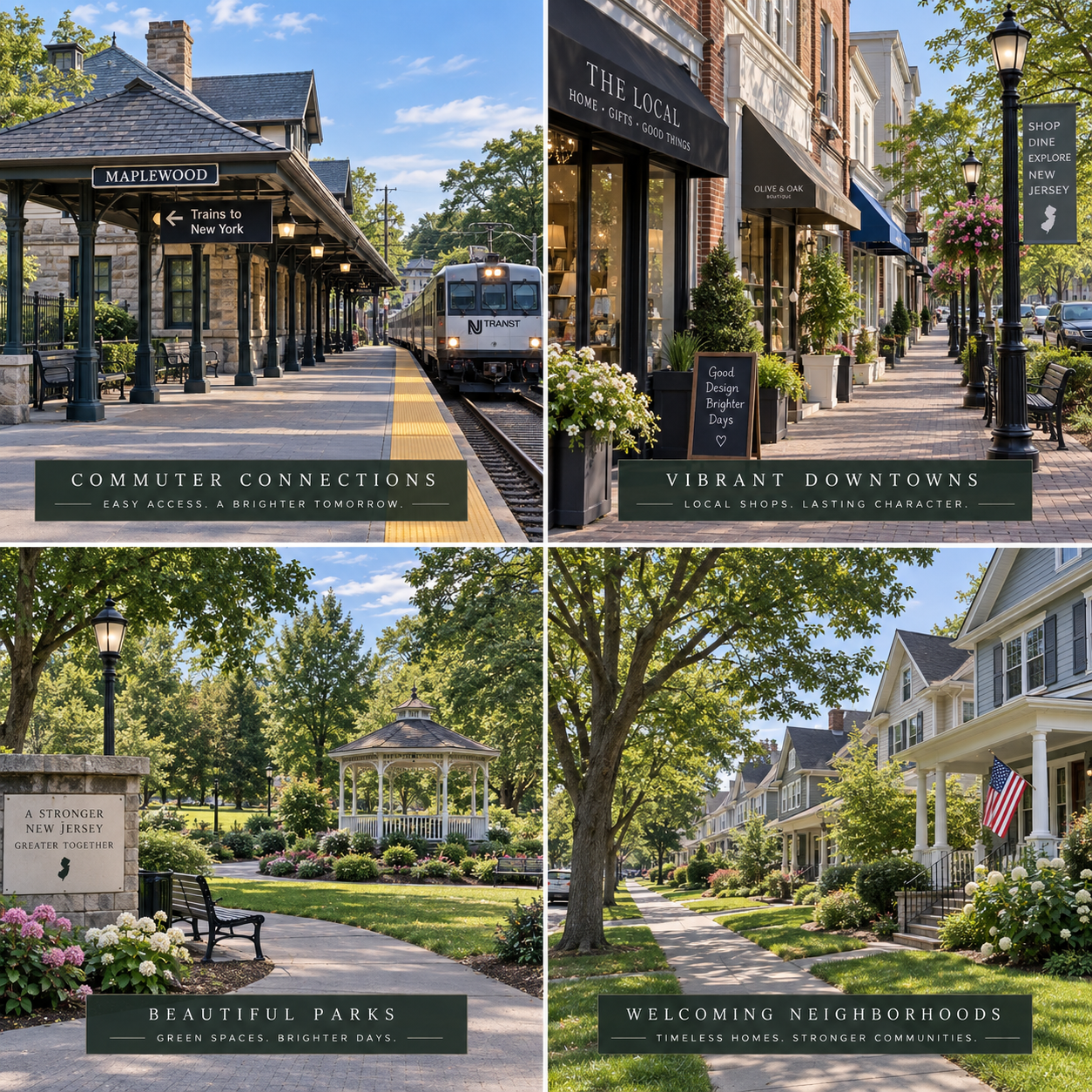
New Jersey gives buyers many different housing and location options, which is why defining your priorities ahead of time can help.
Think about objective factors such as:
* Property type and lot size
* Property taxes
* Access to NJ Transit or major roadways
* Distance to your workplace or other destinations important to you
* Nearby parks and recreation
* Shops and dining
* Home condition and anticipated maintenance
* Municipal services
* Your desired monthly housing cost
School information should be researched through objective third-party resources rather than subjective descriptions. Buyers can review school district information directly through appropriate state, district, and independent resources based on what matters to them.
I can also help you compare property and location facts across Union, Morris, Middlesex, Somerset, and Essex Counties without adding pressure to the decision.
8. Do Not Skip the Home Inspection Simply Because a Property Looks Well Maintained
Fresh paint and beautiful staging can make a strong first impression, but they cannot tell you everything about a home's condition.
A professional home inspection can provide information about major systems and components of the property. Depending on the home and circumstances, buyers may also discuss additional inspections with their attorney and real estate professionals.
The goal is to understand what you are purchasing before you close.
A home does not have to be perfect. You simply want enough information to make a well-informed decision about its condition, potential repairs, and your comfort level with the purchase.
9. Remember That New Jersey Real Estate Is Local
A headline about “the New Jersey housing market” only tells part of the story.
A home in Westfield may face different market conditions from a property in Edison, Morristown, Cranford, Scotch Plains, Summit, or another New Jersey community. Price ranges, available inventory, days on market, property taxes, housing styles, and buyer activity can differ significantly.
That local context matters when deciding:
* How quickly to act
* How to structure an offer
* Which comparable sales are relevant
* What contingencies make sense
* Whether the asking price is supported by recent sales
Good preparation is not about rushing into a purchase. It is about being ready to act when the right property and terms come together.
Is Fall a Good Time to Buy a Home in New Jersey?
Fall can be a worthwhile time to buy if your finances are ready and you find a property that meets your needs at terms you are comfortable accepting.
There is no single month that is automatically the “best” time for everyone to purchase a home.
Mortgage rates, available inventory, seller motivation, your personal timeline, and conditions within your target towns all matter more than the season alone.
Rather than trying to perfectly time the market, focus on being financially prepared and understanding the local numbers.
First-Time Buyer Checklist for Fall 2026
Before scheduling a full weekend of home tours, consider completing these steps:
1. Review your current finances and credit.
2. Decide what monthly housing payment feels comfortable.
3. Speak with a reputable mortgage lender.
4. Ask whether you qualify for NJHMFA assistance.
5. Get pre-approved.
6. Set aside funds for closing and post-closing expenses.
7. Identify your preferred property features and locations.
8. Review recent local sales and inventory.
9. Work with professionals who explain each step clearly.
10. Keep your long-term financial plans in mind when making an offer.
Ready to Start Your New Jersey Home Search?
Buying your first home comes with plenty of questions, and you should never feel pressured to figure everything out at once.
I can help you understand local New Jersey market conditions, compare communities and properties based on your priorities, review what to expect from the buying process, and coordinate the details with the professionals involved in your transaction.
Thinking about buying your first home in New Jersey this fall? Let’s talk about your goals and put together a clear plan for your next step.
Contact Christine Cederquist to talk about what you're looking for and start reviewing New Jersey luxury homes that fit your goals.
Christine Cederquist
Realty ONE Group
Phone: +1 908-380-3555
Email: CederquistRealty@gmail.com
Ready to talk about what you are looking for? Reach out and let’s create a focused home-search plan.
FAQs
How much down payment assistance can a first-time buyer receive in New Jersey?
NJHMFA currently states that qualified buyers may receive up to $15,000 through its statewide Down Payment Assistance Program, depending on the county where the property is purchased. Eligibility, income, purchase-price, financing, and occupancy requirements apply.
Who counts as a first-time homebuyer in New Jersey?
For NJHMFA program purposes, a first-time buyer generally is someone who has not owned a home during the previous three years. Certain exceptions can apply, including rules related to designated Urban Target Areas.
What are mortgage rates right now?
Freddie Mac reported that the average U.S. 30-year fixed mortgage rate was 6.71% as of September 3, 2026. Rates available to individual borrowers can differ.
Should I get pre-approved before looking at homes?
Getting pre-approved early can help establish an estimated borrowing range and allow you to search within a more realistic budget. Your lender can also explain different loan products and any assistance programs for which you may qualify.