Plainfield's Historic Mansions: Hidden Luxury in One of New Jersey's Architectural Cities

Plainfield's Historic Mansions: Hidden Luxury in One of New Jersey's Architectural Cities
What if some of New Jersey's most remarkable historic homes were hiding in plain sight?
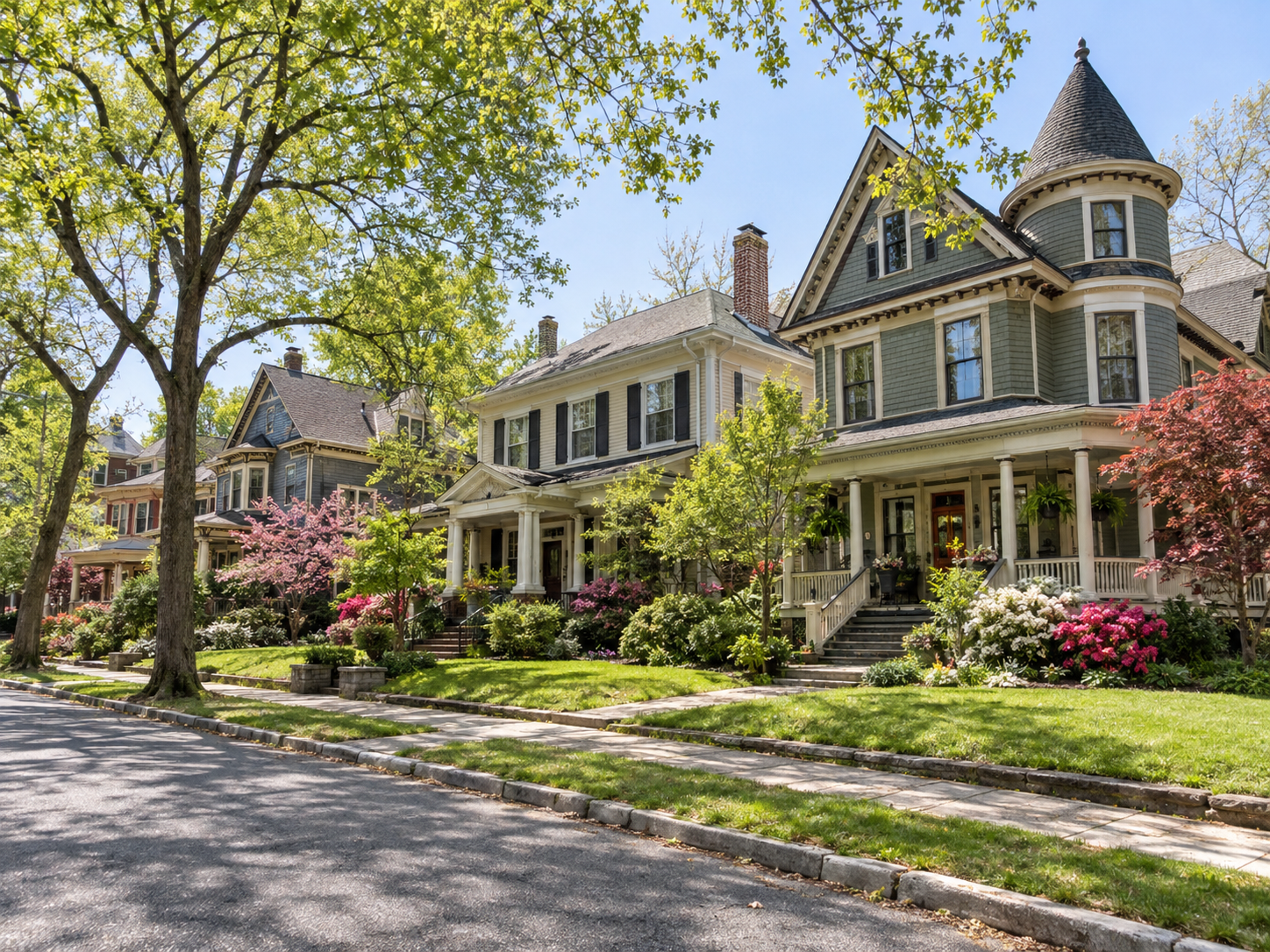
In Plainfield, New Jersey, grand Victorian mansions, intricate architectural details, and tree-lined streets tell the story of a city shaped by more than a century of remarkable residential design.
Known as the "Queen City," Plainfield is home to historic districts featuring stately residences, impressive craftsmanship, and architectural character that is difficult to reproduce in newer construction.
From decorative woodwork and sweeping staircases to spacious front porches and distinctive rooflines, these properties offer an opportunity to appreciate New Jersey's architectural past.
But what makes Plainfield's historic mansions so special? And what should homeowners know about preserving, maintaining, or selling one of these properties?
Let's take a closer look.

Why Is Plainfield, New Jersey, Known for Its Historic Mansions?
Plainfield's impressive residential architecture reflects its growth as a prosperous commuter community during the late 19th and early 20th centuries.
As railroad connections made travel to New York City more convenient, Plainfield attracted residents who built substantial homes featuring fashionable architectural styles of the period.
According to the Van Wyck Brooks Historic District Association, many of the district's grand residences were constructed between 1875 and 1925.
During that period, builders incorporated architectural styles such as:
- Queen Anne Victorian
- Italianate
- Second Empire
- Victorian Gothic
- Colonial Revival
- Shingle Style
- Tudor Revival
These homes often featured detailed masonry, decorative trim, distinctive windows, and carefully designed interiors.
Today, Plainfield's architectural heritage remains an important part of its identity.
The preservation of these historic structures also provides a connection to the city's development, offering homeowners and visitors an opportunity to experience architectural details from an earlier period of New Jersey history.
What Makes Plainfield's Historic Mansions Feel Luxurious?
Luxury in a historic home isn't always defined by modern finishes or newly constructed amenities. Sometimes, it's the craftsmanship, scale, and architectural character that make a property memorable.
Many of Plainfield's grand historic residences were designed with details that continue to attract attention today.
Depending on the property, these may include:
- Grand entryways with decorative staircases
- Original hardwood flooring and intricate woodwork
- High ceilings and oversized windows
- Detailed fireplaces and decorative mantels
- Spacious dining rooms and formal living areas
- Wraparound porches and mature landscaping
- Carriage houses or other historic outbuildings
Imagine stepping into a home where sunlight comes through tall windows, highlighting original woodwork and architectural details that have been carefully maintained for generations.
These features create an atmosphere that can be difficult to duplicate in contemporary construction.
Of course, every historic property is different. Some have undergone extensive renovations, while others retain more original features.
For homeowners considering a sale, understanding which architectural elements contribute to a property's appeal can help guide decisions about preparation and marketing.

Which Plainfield Historic Districts Are Known for Their Grand Homes?
Plainfield has several recognized historic districts, each with its own architectural identity.
According to the Historical Society of Plainfield's historic district guide, these areas preserve examples of the city's residential development from the Victorian period through the early 20th century.
1. Van Wyck Brooks Historic District
The Van Wyck Brooks Historic District is known for its substantial Victorian residences, decorative architectural features, and historic outbuildings.
The district includes homes representing several architectural styles, from Italianate and Queen Anne to Colonial Revival.
According to the Van Wyck Brooks Historic District Association, its homes reflect Plainfield's development as a commuter suburb during a period of significant residential growth.
For anyone interested in historic architecture, the district provides an impressive look at the design and craftsmanship associated with that period.
2. Hillside Avenue Historic District
Hillside Avenue is another important part of Plainfield's architectural story.
Known for its generous residential lots and stately homes, this district features properties built primarily around the turn of the 20th century.
Colonial Revival architecture is especially prominent, along with Queen Anne and Shingle-style residences.
The Hillside Avenue Historic District Association documents the area's history and preservation efforts.
The district is a wonderful example of how residential planning, architectural character, and mature landscaping contribute to a distinctive streetscape.
3. Crescent Area Historic District
The Crescent Area Historic District was developed beginning in the 1870s and features several prominent Victorian architectural styles.
Italianate and Second Empire homes are among the district's notable architectural examples.
Its historic residences reflect Plainfield's early period of planned residential growth.
For architecture enthusiasts, the district offers an opportunity to appreciate the details that made these homes significant during their original construction.
4. Netherwood Heights Historic District
Netherwood Heights reflects another period of Plainfield's residential development.
According to the Historical Society of Plainfield, the area includes late-Victorian development dating to the late 1800s, followed by Tudor Revival construction during the 1920s.
Its architecture reflects changing residential design preferences over several decades.
Together, these districts demonstrate why Plainfield continues to attract interest from those who appreciate historic homes and distinctive residential architecture.
What Is the Story Behind Plainfield's Historic Drake House?
One of Plainfield's most significant historic properties is the Nathaniel Drake House.
Built in 1746, the property originally served as a Georgian-style farmhouse.
During the Revolutionary War, General George Washington used the house to meet with officers during and after the Battle of Short Hills in June 1777.
The property later underwent significant architectural changes in the 19th century.
According to the New Jersey Historic Trust, banker John Harberger purchased the property in 1864 and introduced Gothic Revival and Queen Anne architectural elements.
These alterations included a tower, turret, mansard roof, and other decorative additions.
Today, the property operates as the Drake House Museum, preserving an important part of Plainfield's history.
The Drake House demonstrates something particularly interesting about historic properties: architecture can tell the story of how a home changed over time.
For homeowners who appreciate preservation, this provides an important reminder that original design, later additions, and careful restoration can all contribute to a property's historical significance.

Are Plainfield's Historic Mansions Worth Considering for Today's Buyers?
Historic mansions can appeal to buyers seeking substantial living spaces, architectural craftsmanship, and properties with a documented history.
However, owning an older property also comes with practical considerations.
Unlike newer construction, historic residences may require specialized repairs, restoration work, or ongoing maintenance.
Before purchasing or preparing to sell a historic home, it is helpful to evaluate several important factors.
Architectural Condition
Original windows, roofs, masonry, plaster, and woodwork may need specialized attention.
Understanding the condition of these features helps homeowners make informed maintenance decisions.
Modern Comfort and Functionality
Some historic homes have updated kitchens, bathrooms, heating systems, and electrical components.
Others retain older systems that may require improvements.
Thoughtful updates can support everyday comfort while respecting the home's original architectural character.
Historic Preservation Requirements
Certain properties within designated historic districts may be subject to local preservation requirements for exterior alterations.
Before planning changes, homeowners should confirm which regulations apply to their property.
Preservation New Jersey provides background on Plainfield's Historic Preservation Commission and its longstanding preservation efforts.
These considerations don't diminish the appeal of historic homes. They simply highlight why informed planning and knowledgeable guidance are important.
How Can Owners of Historic Homes Prepare Their Properties for Sale?
Selling a historic home requires a thoughtful approach that showcases architectural character while providing buyers with clear information about condition, updates, and maintenance.
In a city like Plainfield, details that might receive less attention in a newer property can become meaningful selling points.
For example, original pocket doors, detailed ceiling moldings, stained glass, or carefully restored flooring may help buyers appreciate the home's craftsmanship.
If you're considering selling a historic property, I recommend focusing on the following:
1. Identify the home's strongest architectural features.
Determine which original elements contribute to its character and document significant restoration work when records are available.
2. Address necessary maintenance.
Review roofing, masonry, plumbing, electrical systems, and other important components before listing.
3. Present every room thoughtfully.
Keep interiors clean, organized, and well-lit so buyers can appreciate the layout and historic details.
4. Invest in professional photography.
High-quality images can help communicate the scale, condition, and architectural appeal of the property.
5. Price according to current market evidence.
Compare the home with relevant recent sales while considering condition, size, location, architectural characteristics, and available inventory.
Historic properties can be difficult to compare because no two homes are exactly alike.
That's why a well-researched pricing and marketing strategy matters.
Rather than assuming that historic character alone will attract the right offer, the goal should be to communicate the property's value clearly and accurately.

Why Does Plainfield's Architecture Matter to Its Real Estate Market?
Plainfield's historic architecture is more than a collection of beautiful buildings. It contributes to the city's identity and provides an important distinction within Union County's housing market.
The city's architectural variety gives buyers opportunities to consider properties with different layouts, construction periods, and design details.
For sellers, that means the right marketing approach should reflect the characteristics of the individual property rather than treating every home the same way.
Historic homes often have stories worth telling, but those stories should be supported by accurate documentation and paired with practical information about the property.
As a lifelong New Jersey resident, I've always appreciated the architecture and character found throughout our communities.
Plainfield is a wonderful example of how preserving residential history can keep a city's architectural identity visible for generations.
For homeowners, understanding that history can also help with thoughtful decisions about maintenance, improvements, and preparing for a future sale.
Own a Historic Home in Plainfield? Let's Talk About Its Value.
A historic home is more than its square footage or number of bedrooms. Its architecture, craftsmanship, condition, and location all contribute to how buyers experience the property.
If you own a historic residence in Plainfield, you may be wondering what it's worth in today's market or which improvements would make the most sense before selling.
That's where having a thoughtful plan and the right guidance can make a difference.
I'm Christine Cederquist, a lifelong New Jersey resident and real estate professional with Realty ONE Group.
I understand that selling a home is both a financial and personal decision. My priority is to provide clear communication, practical recommendations, and a strategy built around your goals.
Whether your home is a stately Victorian, a Colonial Revival residence, or another distinctive property in Union County, I'm here to help you understand its market position and prepare for a successful sale.
Curious What Your Plainfield Home Could Sell For?
Let's review your property's features, recent comparable sales, and the steps that may help you attract serious buyer interest.
I'd be happy to discuss your goals and help you plan your next move with confidence.
Contact Christine Cederquist | Realty ONE Group
Christine Cederquist
Realty ONE Group
Phone: +1 908-380-3555
Email: CederquistRealty@gmail.com
Serving Plainfield and communities throughout Union, Morris, Middlesex, Somerset, and Essex Counties, New Jersey.
Bringing Your Dream Home
Note: Historic designation and preservation requirements should be verified for each property. Architectural characteristics and real estate values vary by home.
FAQs
Does Plainfield, NJ, have Victorian mansions?
Yes. Plainfield has several historic districts containing substantial Victorian residences, including Queen Anne, Italianate, Second Empire, and Victorian Gothic properties. The Van Wyck Brooks and Crescent Area districts are especially notable examples.
What is the most recognizable historic house in Plainfield?
They can be, particularly when specialized materials, skilled restoration work, or updates to older systems are required. Actual maintenance expenses depend on the age, condition, size, and previous improvements of the property.
Are homes in Plainfield's historic districts protected?
Some properties are subject to historic preservation regulations, particularly for certain exterior changes. Requirements depend on the property's designation and applicable rules. Owners should verify restrictions before beginning work.
Are homes in Plainfield's historic districts protected?
Some properties are subject to historic preservation regulations, particularly for certain exterior changes. Requirements depend on the property's designation and applicable rules. Owners should verify restrictions before beginning work.