New Jersey Home Sellers: Why Pricing Matters in Late 2026

New Jersey Home Sellers Face a Changing Market: Why Pricing Correctly Matters More Than Ever in Late 2026
Thinking about selling your New Jersey home before the end of 2026 or heading into 2027? One decision could have a significant impact on your results: choosing the right asking price from the beginning.
New Jersey home prices remain strong in many areas, but the housing market is changing. Buyers have more properties to consider, and some are taking additional time before making an offer. For homeowners, this means accurate pricing, thoughtful preparation, and a clear marketing plan matter more than ever.
As a lifelong New Jersey resident and real estate professional serving Union, Morris, Middlesex, Somerset, and Essex Counties, I understand how important it is to protect your home's value while making the selling process as manageable as possible.
Let's look at what the latest market numbers are telling us and what they could mean for your next move.
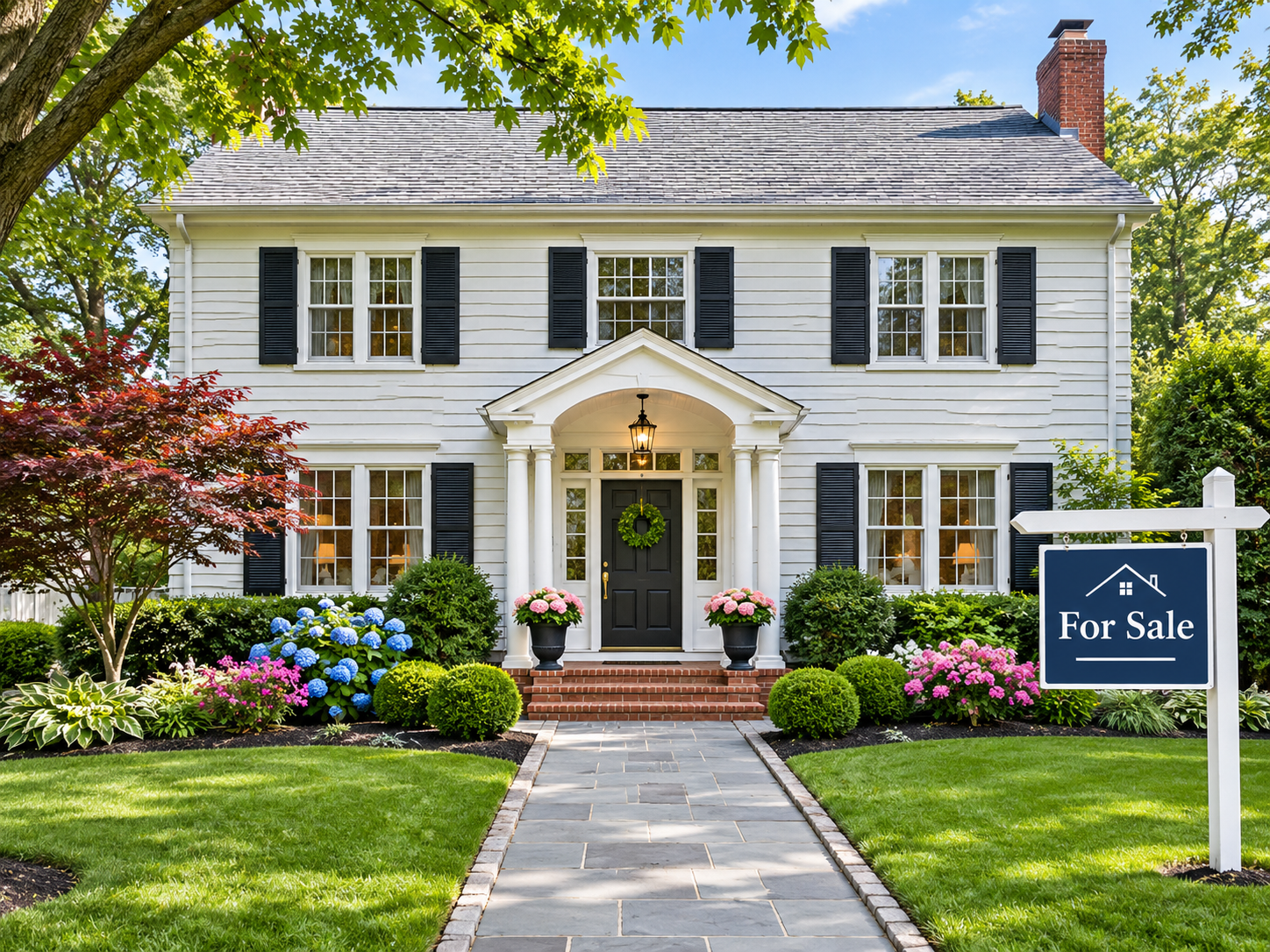
1. What Is Changing in New Jersey's Housing Market in Late 2026?
New Jersey's housing market is showing signs of a shift toward more balanced conditions. Inventory is increasing, buyer activity has slowed, and sellers are facing more competition, even as home prices remain above last year's levels.
According to the New Jersey Realtors September 2026 Housing Market Report, several important changes occurred compared with September 2025.
Here is what the statewide data shows:
- Homes for sale: 22,746, an increase of 12.1%
- Statewide median sales price: $550,000, up 2.8%
- New listings: Increased 3.8%
- Closed sales: Decreased 5.8%
- Pending sales: Decreased 11.3%
These numbers paint an important picture.
Homeowners are still seeing strong property values, but buyers now have more opportunities to compare listings before making decisions.
An increase in inventory does not necessarily mean home prices will fall. However, it does mean sellers should pay closer attention to how their properties compare with similar homes currently available.
The takeaway for sellers? A well-priced, well-presented home can still attract serious interest, but relying on yesterday's market conditions may lead to unrealistic expectations.
For homeowners preparing to sell in late 2026, understanding the market before choosing a listing price is an important first step.

2. Why Does Pricing Your Home Correctly Matter More Now?
Correct pricing helps your home compete with similar listings, attract qualified buyers, and make a strong first impression when it enters the market.
One of the most common concerns I hear from homeowners is whether they should price their property higher to leave room for negotiation.
It's an understandable question. After all, your home represents years of investment, care, and personal memories.
But today's buyers are paying close attention to value.
They can easily compare listing prices, square footage, property condition, renovations, taxes, and nearby homes through online real estate platforms.
When a property is priced significantly above comparable homes without features or improvements that support the difference, buyers may decide to focus their attention elsewhere.
The result can be fewer showings, reduced interest, and potentially more time on the market.
According to Redfin's New Jersey Housing Market Report, approximately 13.3% of New Jersey homes for sale experienced price reductions in September 2026, compared with 12.0% during the same month in 2025.
This increase suggests that some sellers are having to reconsider their original asking prices.
That doesn't mean every home needs to be priced lower. It means the initial price should be supported by current comparable sales and the home's individual features.
The right strategy isn't simply choosing the highest asking price. It's choosing a price that gives your property a strong position in the current market.

3. What Happens When a New Jersey Home Is Priced Too High?
An asking price that exceeds what current market conditions support can make the selling process more difficult.
Consider a homeowner who lists a property above the price range supported by recent comparable sales.
During the first few weeks, potential buyers may view the listing online but decide not to schedule a showing because other homes appear to offer better value.
As time passes, the seller may begin to wonder why the property isn't attracting more interest.
Eventually, a price adjustment may become necessary.
While price reductions can help generate renewed attention, they don't guarantee the same response a property might have received with an appropriate asking price from the beginning.
Overpricing can create several challenges:
- Fewer showing requests from interested buyers
- Longer marketing periods
- Additional carrying costs, including taxes, insurance, and utilities
- Greater pressure to reconsider the asking price
- More uncertainty around moving plans and closing timelines
Of course, pricing isn't the only reason a property may take longer to sell. Condition, photography, marketing, location, seasonal demand, and overall affordability can also influence buyer activity.
This is why I believe every homeowner deserves a pricing recommendation based on actual market evidence, not just an automated online estimate or an optimistic number.
A strong selling plan starts with knowing where your home stands.
4. Are New Jersey Buyers Becoming More Selective?
Buyers are gaining more choices, which can make a home's condition, location, and asking price increasingly important.
The September 2026 figures from New Jersey Realtors show that available inventory increased while pending sales declined.
National housing trends also reflect more cautious buyer behavior.
According to Realtor.com's October 2026 Housing Report, active listings nationwide increased 7.4% year over year, while homes under contract declined 10.5%.
The report also found that approximately 20.5% of active listings nationwide had experienced a price reduction.
Although these are national figures rather than New Jersey-specific statistics, they provide useful context for the changing housing environment.
Buyers considering a major financial commitment may be looking more carefully at what they receive for the price.
For New Jersey sellers, this makes professional presentation especially valuable.
Before listing, consider the details buyers will notice:
- Is the property clean, bright, and well-maintained?
- Are visible repairs or maintenance concerns addressed?
- Do the photographs accurately highlight the home's strongest features?
- Is the asking price competitive with similar nearby properties?
- Does the listing clearly explain updates and location conveniences?
These details help potential buyers evaluate your home with confidence.

5. Does the Right Pricing Strategy Differ Across New Jersey Counties?
Yes. New Jersey's housing market is highly local, and pricing strategies should reflect the specific town, neighborhood, property type, and current competition.
A home in Westfield may face different market conditions than a property in Plainfield, Cranford, or Scotch Plains.
The same is true when comparing homes in Morris, Middlesex, Somerset, and Essex Counties.
Even within a single town, differences in architecture, lot size, condition, renovations, and proximity to transportation can affect how buyers evaluate a property.
For example, a thoughtfully updated Colonial near downtown amenities may attract a different level of interest than a home requiring extensive repairs.
Similarly, a well-maintained ranch with flexible living space may appeal to buyers looking for a different layout.
That is why statewide averages should be used as a starting point rather than the final answer when determining your home's value.
The New Jersey Realtors Monthly Housing Statistics provide county-level data that can help homeowners understand local trends.
However, the most useful pricing analysis also considers recent sales and active competition near your particular property.
My goal is to help you understand those differences so you can make an informed decision without unnecessary pressure.
6. How Can Sellers Determine the Right Asking Price in Late 2026?
The best starting point is a comparative market analysis that examines recent sales, current listings, property condition, and local buyer activity.
Setting an asking price shouldn't involve guesswork.
When I work with homeowners, I believe it's important to review the details that could affect a property's market position.
Review recently sold homes
Recent comparable sales help establish what buyers have actually been willing to pay for similar properties.
Study the current competition
Active listings show what alternatives buyers can consider today. A home needs to be positioned appropriately against those options.
Consider the property's condition
Updates, maintenance, architectural details, and functional spaces can all influence buyer interest.
Evaluate the timing
Seasonal trends, inventory, mortgage rates, and local demand may affect the best approach to bringing a home to market.
Plan for presentation and marketing
Professional photography, clear property descriptions, thoughtful preparation, and consistent communication should support the pricing strategy.
The goal is to create a plan that attracts attention while protecting your negotiating position.
You don't necessarily need to spend thousands on renovations or choose the lowest asking price to compete. You need reliable information and a strategy that makes sense for your home.
7. Should New Jersey Homeowners Sell in Late 2026 or Wait Until 2027?
There isn't one correct answer for every homeowner. The decision depends on your goals, your property's market position, and what you want your next move to look like.
Some homeowners may benefit from selling before the end of 2026, especially when their property is ready and current market conditions support their asking price.
Others may prefer to use the remaining months of the year to complete repairs, prepare their property, and plan for a potential 2027 listing.
Waiting doesn't automatically guarantee a higher selling price. Likewise, selling sooner doesn't automatically produce a better result.
The important thing is to evaluate your options realistically.
I encourage homeowners to ask themselves three questions:
- What is my home worth based on current comparable sales?
- What preparation would help my property compete effectively?
- What selling timeline works best for my financial and personal goals?
Answering these questions can help you move forward with greater clarity.
And if you're unsure where to begin, that's exactly where having an experienced local real estate professional can help.

8. What Is the Biggest Takeaway for New Jersey Sellers Heading Into 2027?
New Jersey continues to offer opportunities for homeowners considering a sale, but the latest housing data shows that the market is no longer moving exactly as it did during periods of extremely limited inventory.
More properties are available, buyer activity has softened in some areas, and pricing expectations need to reflect current conditions.
That doesn't mean homeowners should feel discouraged.
It means preparation and informed decision-making matter.
A home that is accurately priced, thoughtfully prepared, and professionally marketed can still attract strong buyer interest.
And when your pricing strategy is based on reliable local information, you're better positioned to evaluate offers and make decisions that support your goals.
For homeowners considering a sale in late 2026 or early 2027, the most important step is understanding your home's current market value before making any major decisions.
Thinking About Selling Your New Jersey Home? Let's Start With the Right Price.
If you've been wondering what your home could sell for in today's changing market, I'd love to help you find out.
As a lifelong New Jersey resident and a Realty ONE Group real estate professional, I know that selling a home is more than a financial decision.
It's about protecting what you've worked for, understanding your options, and feeling supported every step of the way.
My approach focuses on thoughtful pricing, strong presentation, honest communication, and a marketing plan built around your property's strengths.
Whether you're ready to list soon or simply considering a move in 2027, we can start with a conversation about your goals and what the current market means for your home.
Ready to find out what your New Jersey home could sell for? Contact me for a personalized home value review and let's create a selling plan that works for you.
Christine Cederquist
Realty ONE Group
Phone: +1 908-380-3555
Email: CederquistRealty@gmail.com
I'm here to help make your next move feel informed, organized, and manageable.
FAQs
Is the New Jersey housing market slowing down in 2026?
Buyer activity has softened in some parts of the market. New Jersey Realtors reported that closed sales declined 5.8% and pending sales fell 11.3% year over year in September 2026. However, the statewide median sales price increased, indicating that the market remains competitive in many locations.
Are New Jersey home prices falling?
Not statewide according to the September 2026 data. The statewide median sales price increased 2.8% year over year to $550,000. Individual towns and property types may experience different price trends.
Should I price my New Jersey home higher to leave room for negotiation?
Pricing above comparable properties can discourage potential buyers. A more effective approach is to review recent sales, active listings, and your home's condition before establishing a competitive asking price.
What is the first step to selling my New Jersey home in 2027?
Start with a personalized home valuation and a review of local market conditions. This helps establish a realistic asking price, identify useful preparations, and determine a selling timeline that supports your goals.