Living, Investing, and Doing Business in New Jersey: A Fall 2026 Real Estate Outlook

Living, Investing, and Doing Business in New Jersey: A Fall 2026 Real Estate Outlook
New Jersey enters Fall 2026 with real estate conditions that deserve a close look from homeowners, buyers, property investors, and business owners. Residential demand remains strong in many parts of the state, economic growth is expected to be modest, commercial sectors are moving at different speeds, and financing costs continue to influence purchasing decisions.
For anyone considering a move, sale, investment property, or commercial purchase this fall, the best approach is to look at the numbers locally and connect them to your own financial plans.
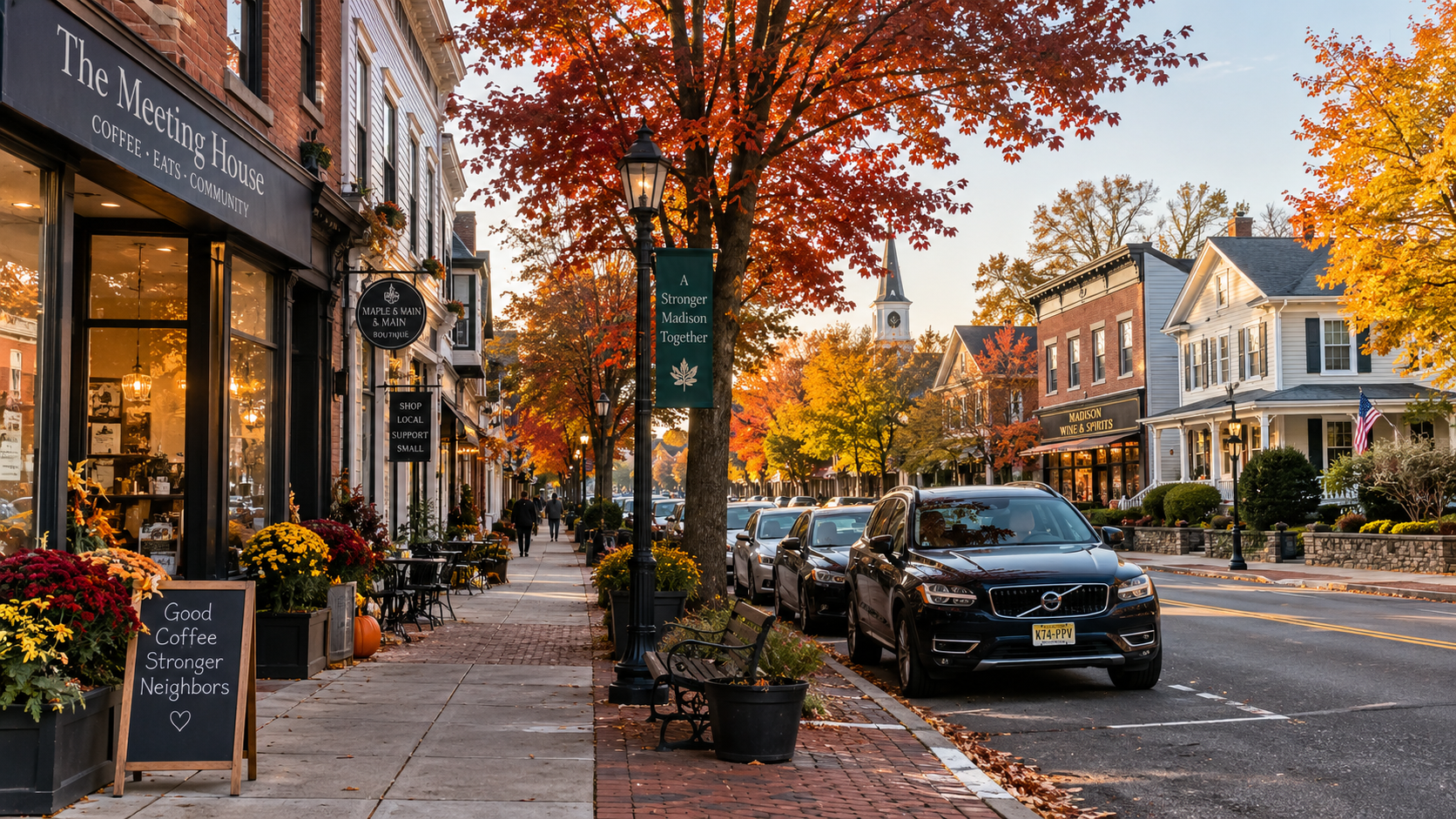
What Is Happening in New Jersey Real Estate in Fall 2026?
New Jersey continues to stand apart from some of the softer housing conditions reported elsewhere in the country.
New Jersey Realtors reported in September that the state continues to see strong seller conditions, even as national headlines point to higher inventory and slowing prices in other markets. Housing conditions vary by municipality and county, so statewide trends should be paired with local data before making a decision.
At the same time, New Jersey's broader economy is moving at a slower pace. Rutgers University's Summer 2026 R/ECON forecast projects state real GDP growth of approximately 0.9% in 2026 and 0.9% in 2027, with payroll employment expected to grow about 0.2% in 2026.
Interest rates are another factor. On September 16, 2026, the Federal Reserve increased the federal funds target range by one-quarter percentage point to 3.75% to 4.00%, citing elevated inflation along with continued economic growth.
Together, these conditions create a fall market where preparation, pricing, financing, and property selection matter.
Living in New Jersey: What Buyers and Homeowners Should Watch
For people buying or selling a home, Fall 2026 is a reminder that New Jersey real estate is highly local.
Conditions can differ from one county to the next and even between neighboring towns. Available inventory, property type, proximity to transportation, home condition, pricing, and recent comparable sales all affect the level of buyer activity.
New Jersey Realtors makes statewide and county housing reports available each month and notes that municipality-level statistics are available through New Jersey Realtors.
Sellers Still Need the Right Pricing Strategy
Strong demand does not mean every property will sell at any price.
Today's buyers have financing costs to consider and can quickly compare properties online. A well-prepared home that enters the market at a price supported by recent sales can create a stronger first impression.
For homeowners thinking about selling this fall, focus on:
Recent comparable sales
Current competing listings
Property condition
Necessary repairs
Presentation and photography
Pricing based on current local conditions
A clear showing and marketing plan
Good preparation can help a property stand out without relying on an inflated asking price.

Buyers Should Look Beyond the Listing Price
For buyers, the purchase price is only part of the financial picture.
Mortgage terms, property taxes, insurance, maintenance, commuting costs, association fees where applicable, and expected improvements can change the real monthly cost of owning a property.
Because the Federal Reserve's September decision placed its federal funds target range at 3.75% to 4.00%, borrowing costs remain an important consideration heading into the fall. Mortgage rates do not move one-for-one with the federal funds rate, but broader interest-rate conditions can influence the cost of home financing.
A buyer who understands the full monthly cost before making an offer is in a better position to choose a home that fits both current needs and longer-term plans.

Investing in New Jersey Real Estate in Fall 2026
Real estate investors should treat Fall 2026 as a market that calls for careful property-by-property analysis.
Purchase price still matters, but investors also need to consider financing, rents, vacancy, repairs, taxes, insurance, property management, potential capital expenses, and the expected holding period.
A property can appear attractive based on its asking price while producing weaker returns once all expenses are included.
Look at the Numbers Before the Address
Before purchasing an investment property, review:
Expected rental income
Current and potential vacancy
Property taxes
Insurance expenses
Maintenance
Capital repairs
Financing costs
Property management
Local rental requirements
Expected holding period
Potential resale considerations
Investors should also verify local ordinances and requirements rather than assuming rental rules are the same across New Jersey.
Why Local Market Data Matters for Investors
A statewide statistic cannot tell you whether a specific property represents a sound investment.
For example, New Jersey Realtors reported that Mercer County's year-to-date single-family median sales price was $500,000 as of June 2026, while inventory had increased 12.5% compared with June 2025. That county-specific example illustrates why investors should study the area and property type they are considering rather than rely only on statewide headlines.
The same approach applies in Union, Morris, Middlesex, Somerset, and Essex Counties. Local sales activity, rents, taxes, redevelopment, transportation access, and available housing stock can vary considerably.
Doing Business in New Jersey: Commercial Real Estate Is Not Moving as One Market
Commercial property deserves its own analysis because office, industrial, retail, and mixed-use properties are responding differently to current conditions.
New Jersey's office sector showed some improvement during the second quarter of 2026. CBRE reported 932,000 square feet of leasing activity, an increase of 50% from the first quarter. However, leasing volume remained 21% below the five-year quarterly average, and tenant demand continued to favor smaller spaces.
That is useful context for both building owners and businesses considering office space. Companies appear to be paying close attention to how much space they actually need rather than automatically choosing larger locations.
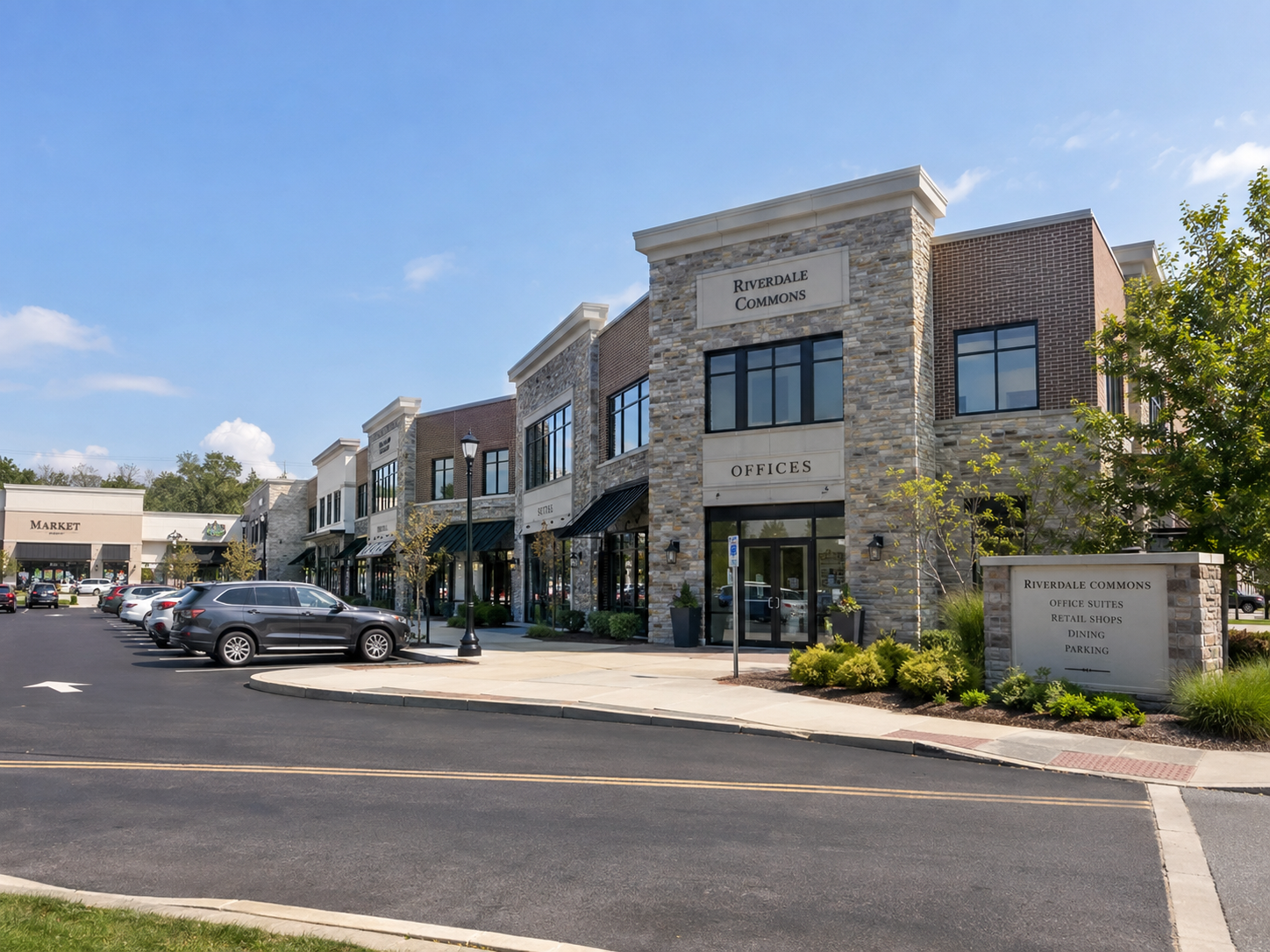
Commercial Investors Should Separate Property Types
National commercial data also show meaningful differences among sectors.
CBRE reported that U.S. net-lease investment volume increased 13% year over year in Q2 2026 to $12.8 billion. Industrial net-lease investment increased 28%, retail volume increased 6%, while office investment declined 21%.
These national figures should not be treated as a direct forecast for a specific New Jersey property, but they show why investors should avoid treating commercial real estate as a single category.
A warehouse in Middlesex County has different demand drivers than an office property in Morris County or a storefront in Essex County.
What Should Business Owners Consider Before Buying Property?
For business owners, purchasing real estate can provide greater control over the space the company occupies, but it can also tie up capital that could otherwise support business operations.
Before purchasing, consider:
How much space the company needs today
Expected space requirements in five or ten years
Customer and employee access
Parking
Delivery and loading needs
Zoning
Property taxes
Insurance
Maintenance
Renovation costs
Financing
Resale or leasing options if business needs change
Do not assume a commercial property can legally accommodate a particular business simply because it previously housed another company.
Local zoning and permitted-use rules should be reviewed before making a commitment.
What Does the New Jersey Economic Outlook Mean for Real Estate?
Rutgers' Summer 2026 forecast describes a state economy expected to grow at a modest rate in the near term.
The forecast projects New Jersey GDP growth of 0.9% in both 2026 and 2027, while employment is expected to increase only slightly in 2026 before improving somewhat in 2027.
For real estate, slower economic growth does not automatically mean falling property values or weaker demand. Housing supply, local employment centers, transportation, interest rates, property taxes, construction activity, and population patterns also matter.
It does suggest that investors and business owners should use realistic assumptions rather than counting on fast economic growth to support a purchase.
Financing Remains an Important Fall 2026 Consideration
Interest rates affect homeowners, investors, developers, and businesses differently, but financing should be part of the conversation before beginning a property search.
The Federal Reserve's September 16 increase brought the federal funds target range to 3.75% to 4.00%. The central bank also stated that inflation remained above its 2% goal.
Buyers should therefore compare several financing scenarios.
Ask your lender about:
Available interest rates
Fixed versus variable terms
Down-payment requirements
Loan duration
Closing costs
Prepayment terms
Refinancing considerations
Commercial loan requirements when applicable
Small changes in financing can have a meaningful effect on the long-term cost of a property.
Fall 2026: What Should New Jersey Property Owners Be Thinking About?
The central theme this fall is local decision-making.
For a homeowner, that may mean understanding recent sales before choosing a listing price.
For a buyer, it may mean comparing monthly ownership costs rather than simply comparing asking prices.
For an investor, it means calculating realistic income and expenses before purchasing.
For a business owner, it means making sure a property supports operations, zoning requirements, financing, and future space needs.
Real estate decisions work best when they are based on the specific property, the local market, and your own plans rather than broad headlines alone.

Thinking About Your Next New Jersey Real Estate Move?
Whether you are considering selling a home, buying property, reviewing an investment opportunity, or thinking about real estate connected to your business, having clear local information can make the process feel much more manageable.
I'm Christine Cederquist with Realty ONE Group, a lifelong New Jersey resident serving clients throughout Union, Morris, Middlesex, Somerset, and Essex Counties. My approach starts with listening to what you need, looking carefully at the local market, and putting together a clear plan around your goals.
Curious about what Fall 2026 conditions could mean for your property or next real estate decision? Let's connect and talk through the numbers, the local market, and the options available to you.
Ready to talk about your selling goals? Let’s connect and discuss the next step for your home.
Christine Cederquist
Realty ONE Group
Phone: +1 908-380-3555
Email: CederquistRealty@gmail.com
This article is provided for general educational purposes. Real estate, lending, investment, legal, and tax decisions should be reviewed with qualified professionals based on your individual circumstances.
FAQs
Is New Jersey still a strong seller's market in Fall 2026?
New Jersey Realtors reported in September 2026 that conditions in the state continued to differ from softer national housing trends. The strength of an individual seller's position still depends on municipality, price range, property type, condition, and competing inventory.
Are New Jersey home prices still rising?
Price movement varies by county and municipality. For example, New Jersey Realtors reported a year-to-date single-family median sales price of $500,000 in Mercer County through June 2026. Buyers and sellers should review current county and municipal statistics for the property they are considering.
What are interest rates doing in Fall 2026?
On September 16, 2026, the Federal Reserve increased its federal funds target range to 3.75% to 4.00%. Mortgage and commercial loan rates are not the same as the federal funds rate, so borrowers should request current quotes directly from lenders.
What should I do before making a real estate decision this fall?
Start with current local sales or leasing data, understand your financing, calculate the full cost of ownership, and review the specific property carefully. For investment or commercial transactions, financial, legal, tax, zoning, and property-condition reviews may also be appropriate.