How to Prepare Financially to Buy a NJ Home This Fall

How Can You Financially Prepare to Buy a New Jersey Home This Fall?
If you are preparing financially for buying a New Jersey home this fall, the best time to organize your finances is before you fall in love with a property.
And here is something many buyers are relieved to learn: you do not necessarily need a 20% down payment to become a homeowner.
The Consumer Financial Protection Bureau (CFPB) notes that some mortgage programs allow down payments well below 20%, although a smaller down payment can affect your loan costs and mortgage insurance requirements.
The bigger question is not simply, “How much money do I need for a down payment?” You also need to think about your credit, closing expenses, monthly housing costs, cash reserves, moving expenses and the financial surprises that can come with homeownership.
I’m Christine Cederquist, a lifelong New Jersey resident and real estate professional serving buyers and sellers across Northern and Central New Jersey. Because I know these communities as both an agent and a neighbor, my goal is to help you look beyond the listing price and understand what purchasing a home could realistically mean for your budget.
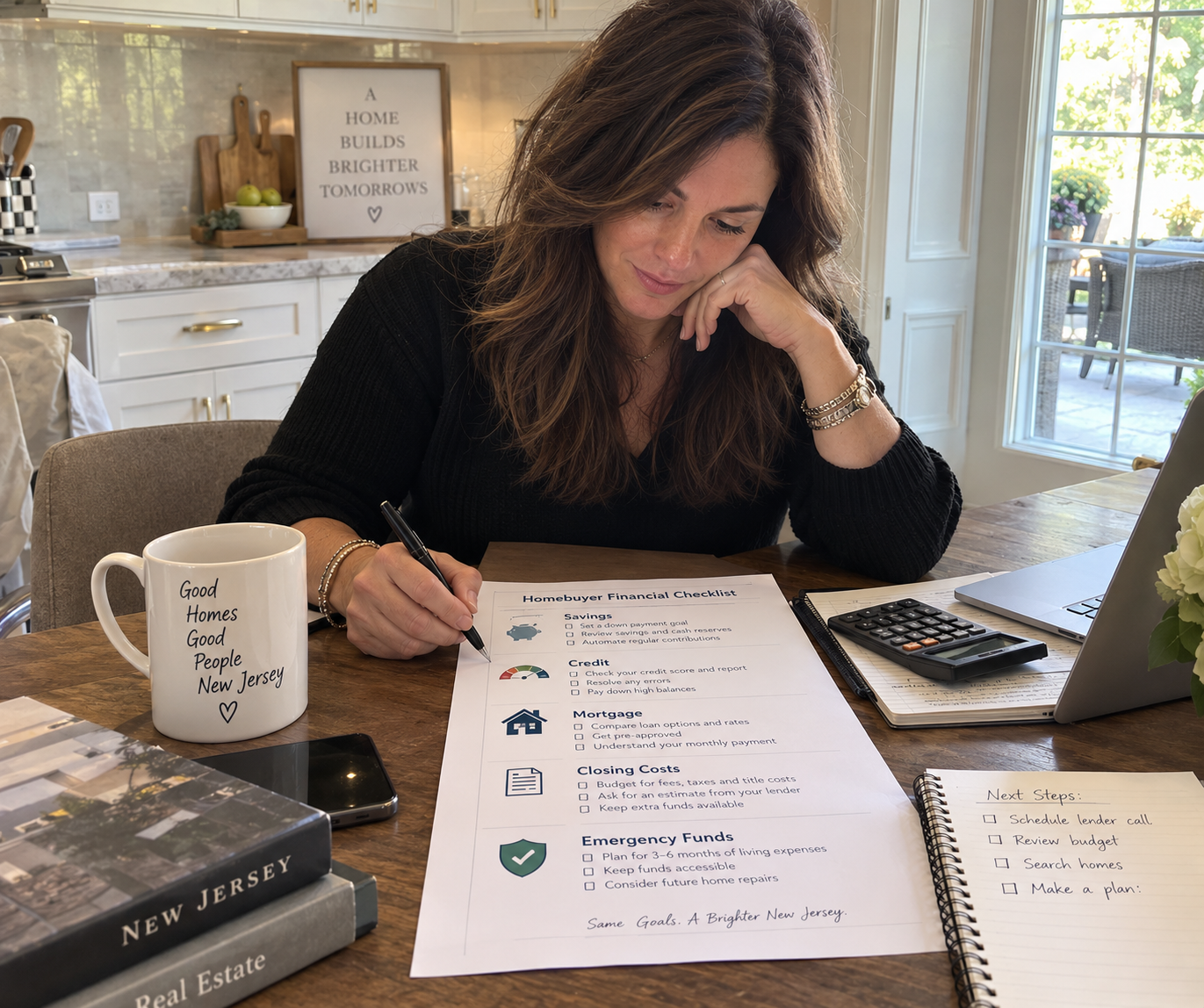
How Much Money Should You Save Before Buying a New Jersey Home?
Your homebuying savings should cover more than your down payment. A realistic savings target should account for your down payment, closing-related expenses, moving costs, immediate repairs or purchases, and money you want left in reserve after closing.
The CFPB specifically recommends considering expenses beyond the down payment, including closing costs, moving expenses and repairs that may be needed immediately after purchasing the property.
Source:
This is where I encourage buyers to separate their money mentally into different buckets:
Down payment
Estimated closing and prepaid expenses
Moving and utility setup
Immediate repairs or furnishings
Emergency savings after closing
Why does that matter?
Because being able to purchase a house and being financially comfortable after purchasing it are two different things.
You do not want to put every available dollar into your closing and then discover that the water heater needs attention, your moving costs were higher than expected, or another unexpected expense appears during your first month of ownership.
Takeaway: Focus on your total cash-to-close and post-closing financial cushion, not just the down payment.
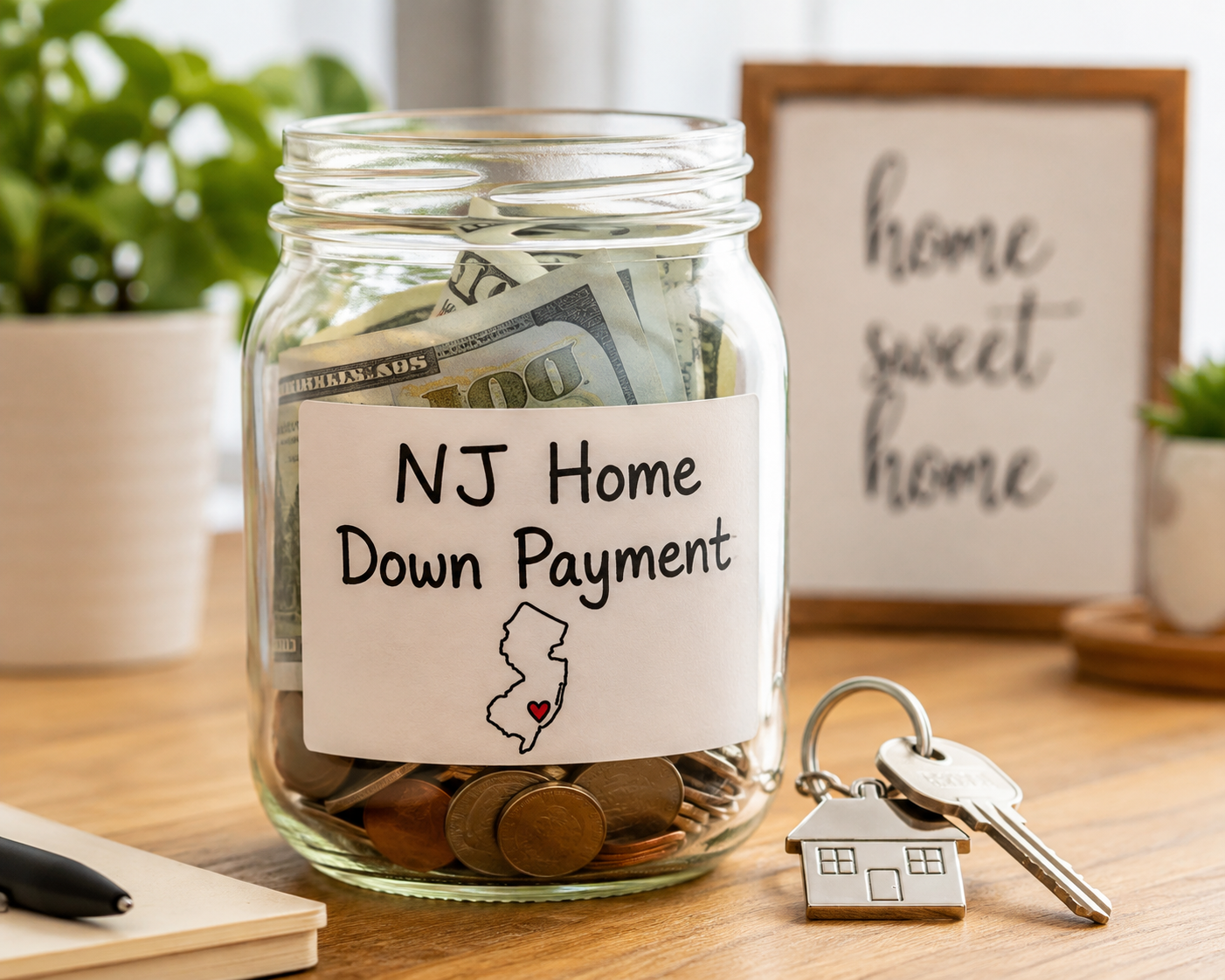
How Much Down Payment Do You Need to Buy a Home in New Jersey?
You may not need 20% down to purchase a New Jersey home. The amount required depends on your mortgage program, lender requirements, financial profile and the property you purchase.
According to the CFPB, many buyers can access mortgages with lower down payments. Conventional options may be available with as little as 3% down, while FHA loans can require as little as 3.5%. Eligibility and total loan costs vary.
Putting more money down can still offer advantages. You borrow less, which can reduce your monthly principal and interest payment, and a larger down payment may affect the mortgage terms available to you.
For conventional loans, putting less than 20% down will also typically mean paying private mortgage insurance, or PMI. The CFPB explains that PMI protects the lender rather than the borrower and adds to the cost of the mortgage.
But do not automatically assume that draining your savings to reach 20% is the right move.
A buyer with a smaller down payment plus healthy emergency savings may be in a very different financial position from a buyer who puts 20% down and has almost nothing left afterward. Your lender can show you how different down-payment amounts change your estimated monthly payment and cash requirement.
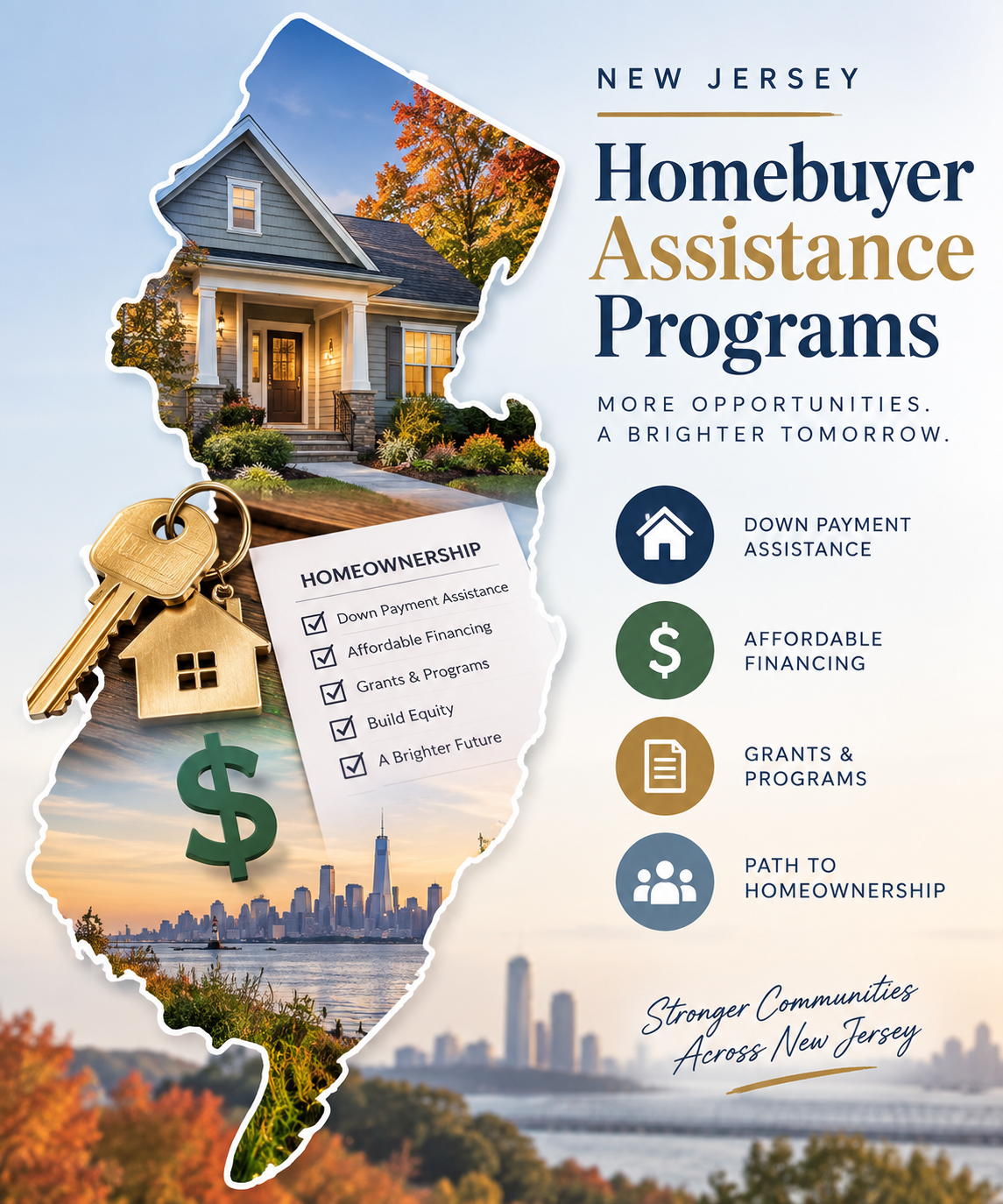
Could New Jersey Down Payment Assistance Help You Buy This Fall?
Qualified New Jersey buyers may have access to state assistance that can reduce the amount of cash they need for a down payment and closing costs.
The New Jersey Housing and Mortgage Finance Agency currently offers its statewide Down Payment Assistance Program to qualified first-time homebuyers. NJHMFA states that the program can provide up to $15,000, depending on the county where the property is purchased, for eligible down payment and closing costs. The assistance is structured as an interest-free, five-year forgivable second loan with no monthly payment. Eligibility requirements apply.
NJHMFA also offers additional assistance through its First Generation Down Payment Assistance Program for qualifying first-generation buyers. Because income limits, purchase-price limits, program requirements and funding can change, I recommend checking current NJHMFA guidelines and discussing eligibility with a participating lender rather than assuming you automatically qualify.
This is worth investigating before deciding that homeownership is financially out of reach.
In fact, recent discussions among New Jersey buyers show that down-payment assistance, closing costs and the amount of cash buyers should keep after closing remain common concerns. Those discussions are useful for understanding what buyers are worried about, although program eligibility should always be verified through NJHMFA or an approved lender.
How Should You Prepare Your Credit Before Applying for a Mortgage?
Start by checking your credit reports, correcting errors and avoiding unnecessary new debt before applying for a mortgage.
Your credit can influence both your ability to qualify and the mortgage rate you are offered. According to the CFPB, higher credit scores generally reflect stronger credit history and can help borrowers qualify for lower interest rates.
Before beginning your fall home search:
Review your credit reports for errors.
Continue paying bills on time.
Avoid opening unnecessary new credit accounts.
Be cautious about increasing credit-card balances.
Speak with a mortgage professional before making major financial changes.
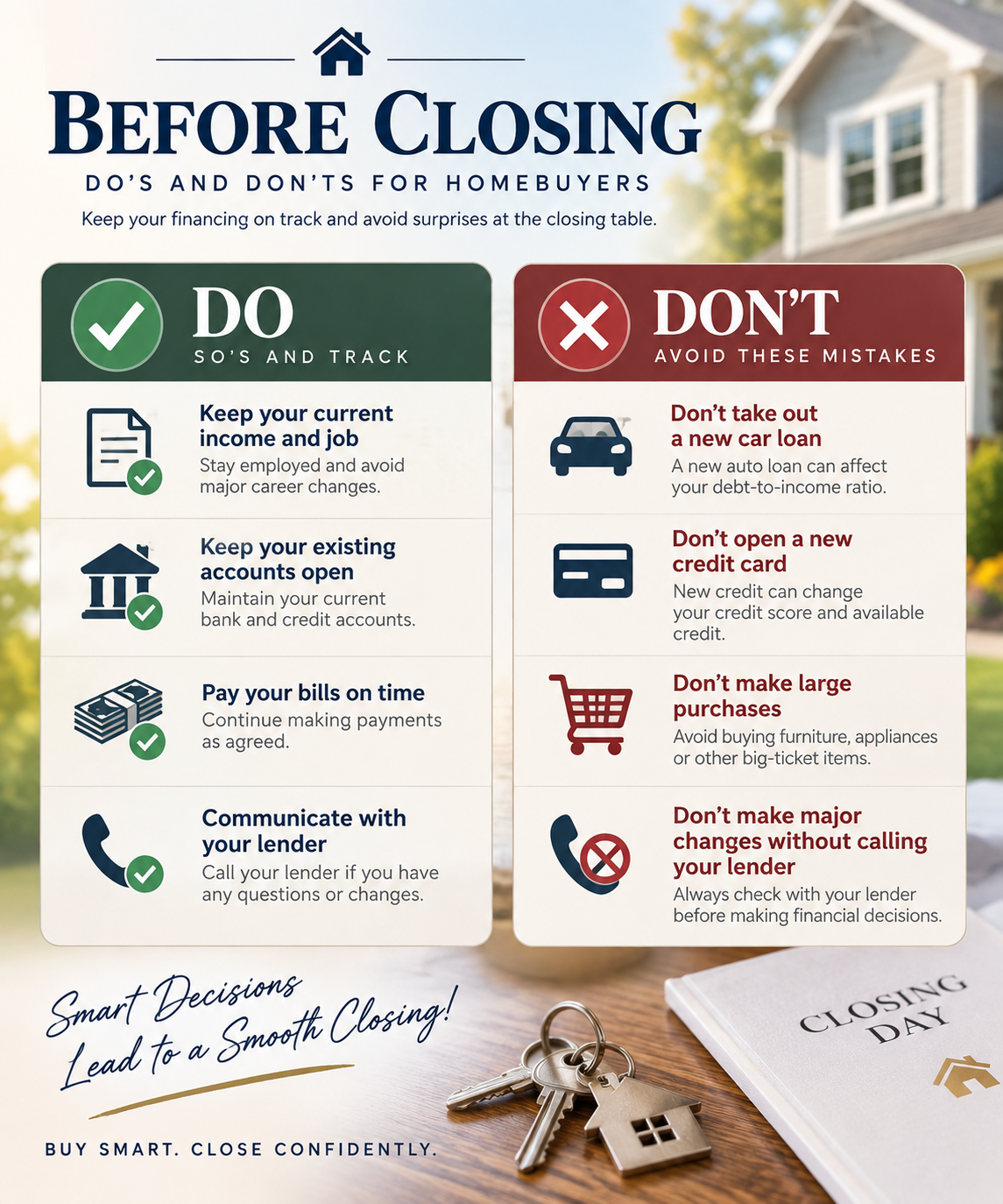
One mistake buyers sometimes make is financing a new vehicle, furniture or another major purchase while preparing for a mortgage.
The CFPB specifically advises prospective homebuyers to avoid taking on new loans or making large credit-card purchases in the months before buying because additional debt can affect credit and the mortgage terms available to them.
Source:
Before making a large financial move, ask your lender how it could affect your mortgage qualification.
What New Jersey Homebuying Costs Should You Budget for Beyond the Down Payment?
Your down payment is only one part of the money involved in buying a New Jersey home.
Depending on your transaction, additional expenses can include lender charges, appraisal costs, title-related expenses, attorney costs, insurance, inspections, recording expenses, prepaid taxes and insurance, escrow deposits and other transaction-specific costs.
That distinction is why I prefer buyers to think in terms of “cash to close” rather than simply “down payment.”
The CFPB requires mortgage Closing Disclosures to identify both closing costs and the final cash-to-close amount.
Source:
New Jersey buyers should pay particularly close attention to property taxes when determining an affordable monthly housing budget. Do not evaluate affordability using principal and interest alone.
Depending on the property, your ongoing housing budget could include:
Principal and interest
Property taxes
Homeowners insurance
Mortgage insurance, if applicable
HOA or condominium fees, if applicable
Utilities
Maintenance and repairs
A home may technically fall within the price range you were approved for while still producing a monthly payment that feels uncomfortable.
My advice is simple: shop according to the payment you can comfortably live with, not merely the maximum purchase price on a preapproval letter.
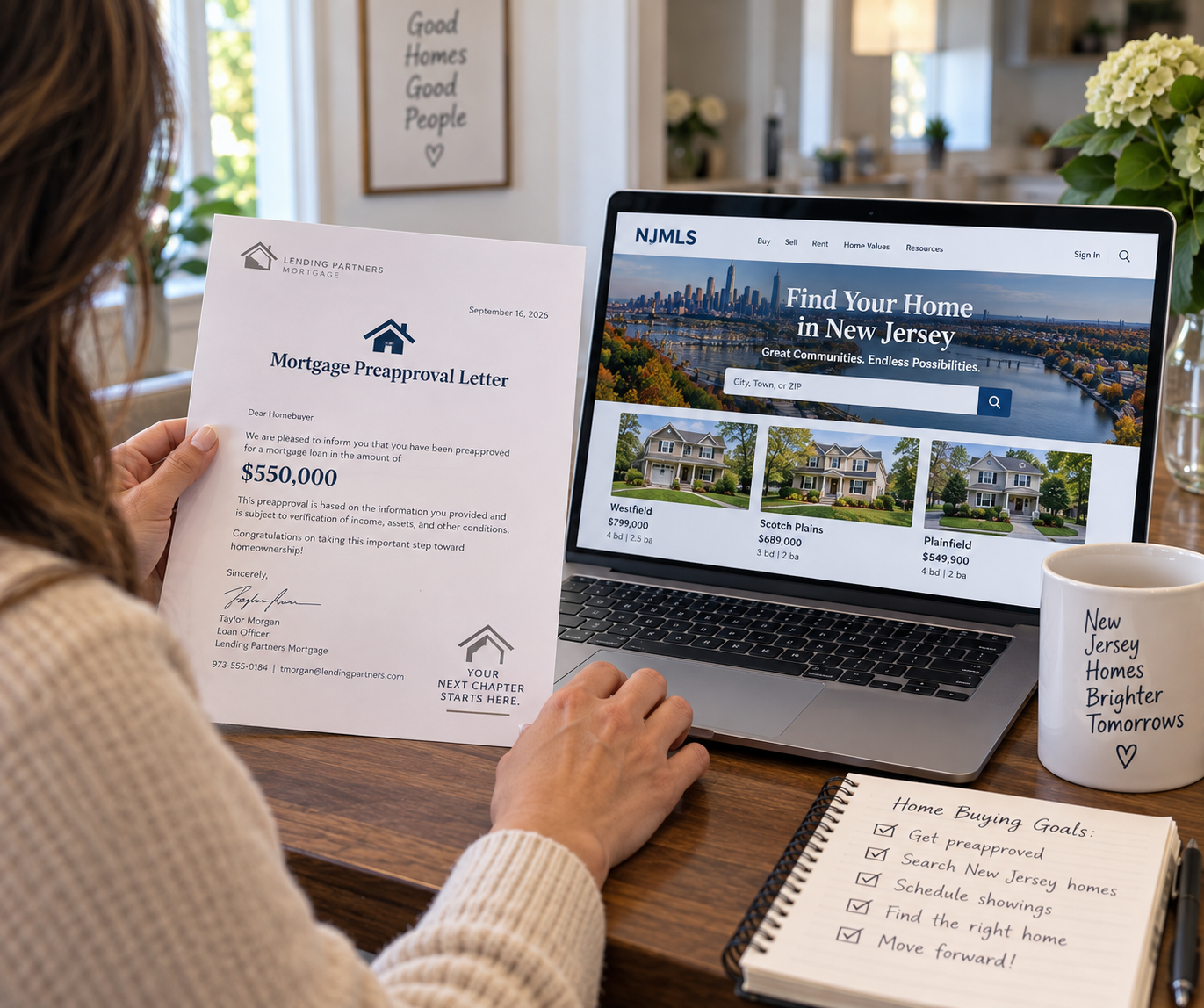
Should You Get Preapproved Before Your Fall New Jersey Home Search?
Yes, obtaining a mortgage preapproval before seriously shopping can help you understand your buying power and prepare to make an offer.
NJHMFA recommends getting preapproved before searching for a home because it gives buyers a clearer understanding of what they can afford and demonstrates to a seller that financing has already been explored.
Source:
But there is an important distinction.
Your lender tells you what you may qualify to borrow. Your personal budget tells you what you are comfortable spending.
Those numbers do not have to be identical.
Before choosing your target price range, consider your lifestyle. Do you travel frequently? Are you paying student loans? Planning for children? Supporting family members? Saving for retirement? Do you want enough monthly breathing room to handle home repairs without reaching for a credit card?
Those factors belong in your homebuying calculation too.
If you are preparing for a fall purchase, get preapproved early enough to identify financial issues before finding the house you want.
What Financial Documents Should You Start Organizing?
Organizing your financial documents early can make the mortgage process much easier.
Exact documentation varies by lender and loan program. For NJHMFA loans specifically, the agency lists documentation that can include tax returns or transcripts, pay stubs, W-2s and bank statements used to document liquid assets and the source of funds for down payment, closing costs and required reserves.
Instead of searching through emails and accounts after you have made an offer, start creating a financial folder now.
You may want easy access to your:
Recent pay information
W-2s and tax documentation
Bank and investment statements
Identification
Employment information
Records explaining unusual or large deposits, if requested by your lender
Documentation relating to funds being used toward the purchase
Your lender will provide the definitive list based on your mortgage.
How Much Emergency Savings Should You Keep After Closing?
Avoid planning a home purchase that intentionally leaves you with no financial cushion after closing.
There is no universal reserve amount that works for every buyer. The appropriate amount depends on your income stability, property condition, household expenses and comfort level.
Still, owning a home creates expenses that renting may not. A furnace can stop working. An appliance can fail. A roof can leak. Moving itself can uncover expenses you never put into the original spreadsheet.
The CFPB specifically reminds buyers to account for moving and immediate repair expenses when deciding how much of their savings to devote to a down payment.
This is another reason I would rather see a buyer build a thoughtful financial plan than become obsessed with hitting an arbitrary down-payment percentage.
The goal is not just to get the keys. The goal is to feel financially prepared after you get them.
What Financial Moves Should You Avoid Before Closing on a New Jersey Home?
Once you are preparing for a mortgage, keep your finances as stable as possible and consult your lender before making major changes.
That means this may not be the ideal time to open several store credit cards for new furniture, finance a car, dramatically increase credit-card balances, or change your financial situation without first talking to your lender.
The CFPB notes that lenders can check credit during the application process and again before closing.
A good rule during the mortgage process is:
When in doubt, call your lender before moving money, opening credit or taking on new debt.
That quick conversation can be much easier than trying to explain an unexpected financial change during underwriting.
How Can Christine Cederquist Help You Prepare for a Fall Home Purchase?
Buying successfully starts with understanding what works for your finances, lifestyle and goals before choosing a property.
As a lifelong New Jersey resident, I bring local knowledge to the search itself. I serve buyers and sellers across Northern and Central New Jersey, including communities throughout Union, Morris, Middlesex, Somerset and Essex counties.
Different communities can mean very different purchase prices, taxes, property types, commuting considerations and ongoing ownership expenses. That is why I believe your home search should begin with a conversation about what matters to you, not simply a list of bedrooms and bathrooms.
My role is not to replace your lender, attorney, tax professional or financial adviser. Instead, I help you understand the real estate side of the process, coordinate with the professionals involved in your purchase, identify homes that fit your priorities and guide you from the search through negotiations and closing.
The technology I use helps make that process more organized and efficient, but the most important part remains personal guidance. You should understand your options and feel comfortable asking questions throughout the transaction.

Ready to Prepare for Your New Jersey Home Purchase This Fall?
Buying a New Jersey home this fall starts long before the first showing. Preparing your savings, understanding your complete monthly budget, reviewing your credit, exploring assistance programs and getting preapproved can put you in a much stronger position when the right home appears.
You do not have to figure out the real estate side of the process alone.
Thinking about buying a home in New Jersey this fall? Let’s talk about where you want to live, what matters most to you and what your next steps could look like. Contact me, Christine Cederquist, and let’s create a home-search plan built around your goals and budget.
Ready to talk about your selling goals? Let’s connect and discuss the next step for your home.
Christine Cederquist
Realty ONE Group
Phone: +1 908-380-3555
Email: CederquistRealty@gmail.com
FAQs
Do I need 20% down to buy a house in New Jersey?
No. A 20% down payment is not universally required. The CFPB notes that certain conventional mortgages can require as little as 3% down, while FHA loans can permit 3.5% down, subject to qualification and lender requirements. Conventional buyers putting less than 20% down will typically need mortgage insurance, so compare the complete monthly and upfront costs of your options.
Can I get down payment assistance when buying a New Jersey home?
Possibly. NJHMFA currently offers qualified first-time buyers up to $15,000 through its statewide Down Payment Assistance Program, depending on the county where the home is purchased. Income, purchase-price and other eligibility requirements apply, so confirm current requirements with NJHMFA and a participating lender.
How much money should I have saved before buying a New Jersey home?
There is no single savings number that works for every buyer. Your savings plan should consider your down payment, closing-related expenses, moving costs, immediate home expenses and the amount you want to keep in reserve. Your lender can estimate cash to close based on your loan scenario, while your personal budget should determine how much savings you are comfortable using.
Does my credit score matter when buying a home?
Yes. Credit history and credit scores are important factors lenders use when determining mortgage eligibility and pricing. According to the CFPB, stronger credit generally gives borrowers access to lower interest rates, although your income, debt, assets, savings and the mortgage program also matter.