How to Attract More Buyers to Your New Jersey Home

How to Attract More Buyers to Your New Jersey Home
Selling a home in New Jersey is about more than putting a sign in the yard and waiting for offers.
Today's buyers can compare dozens of properties online before deciding which homes deserve an in-person visit. That means your pricing, presentation, photos, property condition, and marketing all need to work together from the beginning.
New Jersey continues to see strong buyer activity. In July 2026, the statewide median sale price was approximately $602,831, up 7.6% from a year earlier. Nearly 48% of homes sold above their asking price, according to Redfin. At the same time, the number of homes available for sale increased 6.2% year over year, giving buyers more properties to compare.
For sellers, that additional choice makes presentation especially important. The goal is to help your home stand out for the right reasons and give buyers confidence from the moment they see the listing.
*[Image suggestion: Bright exterior photograph of a well-prepared New Jersey home with tidy landscaping, clean walkways, and inviting front entry.]*
1. Set a Price That Encourages Buyer Interest
Pricing can influence everything that happens after your home enters the market.
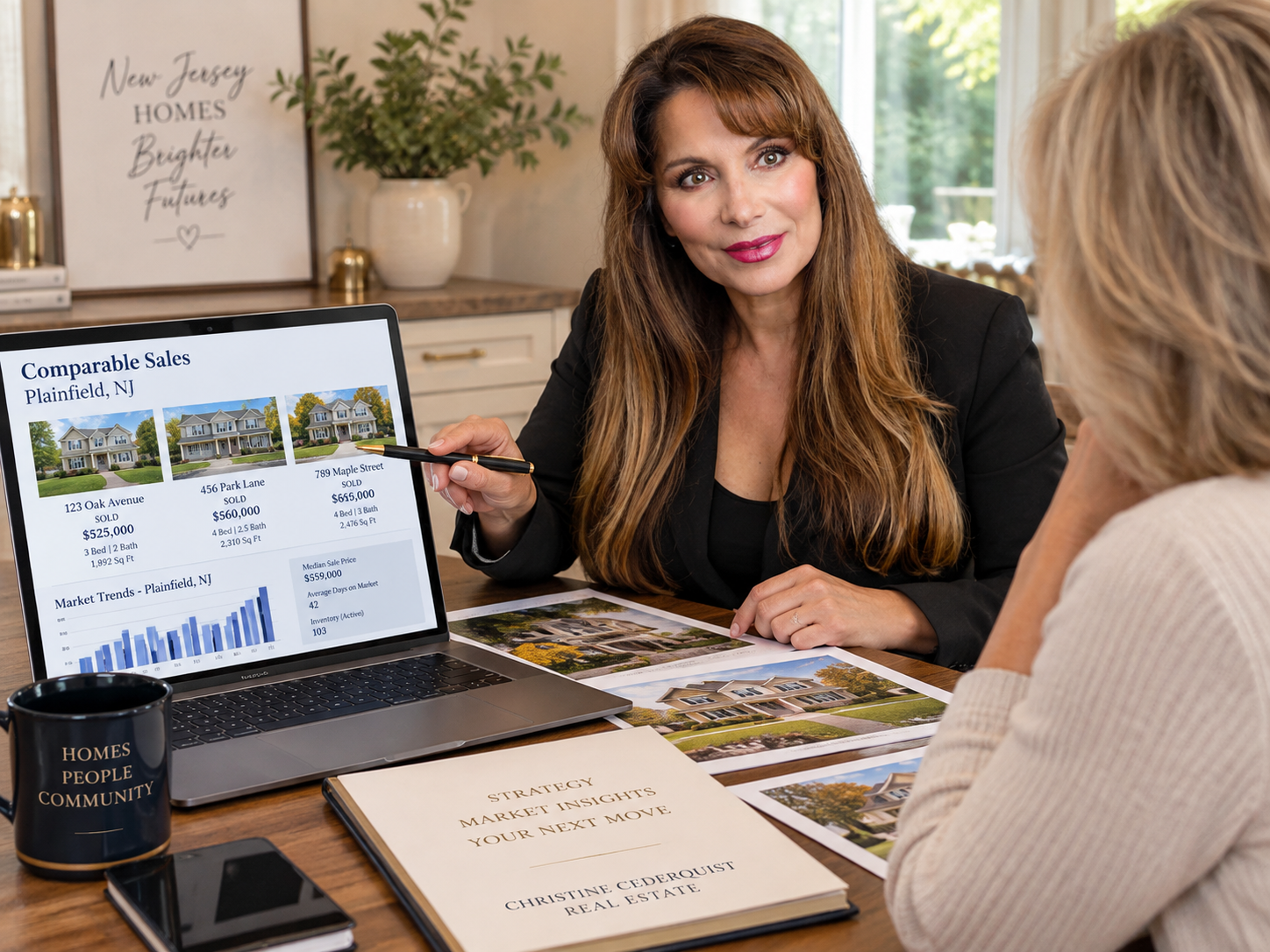
Buyers and their agents compare your home with recent sales and competing listings. If the asking price is significantly higher than similar properties without a clear reason, some buyers may decide not to schedule a showing.
Pricing too low simply to attract attention is not always the answer either. The right starting point should reflect:
* Recent comparable sales
* Current competing listings
* Property condition and updates
* Home size and lot size
* Location
* Current buyer activity
* How quickly similar homes are selling
A thoughtful pricing discussion before listing can help position the home to receive serious attention without relying on guesswork.
This matters in New Jersey, where local conditions can vary considerably from one town to another. Statewide, homes spent a median of 43 days on the market in July 2026, while 47.9% sold above asking price.
2. Make the First Impression Count
Buyers begin forming opinions before they walk through the front door.
Simple exterior improvements can help your home appear cared for and inviting. That may include trimming landscaping, cleaning walkways, washing exterior surfaces, touching up paint, replacing worn hardware, and making sure the entrance feels tidy.
The National Association of REALTORS® reported that 77% of sellers' agents recommended improving curb appeal before listing, making it one of their most common preparation recommendations.
You do not necessarily need a major exterior renovation. Often, thoughtful maintenance and cleanup can make a meaningful difference in how a buyer perceives the property.
3. Declutter and Clean Before the Listing Photos
One of the simplest ways to make your home easier for buyers to appreciate is to remove visual distractions.
NAR's 2025 home staging research found that 91% of sellers' agents recommended decluttering and 88% recommended cleaning the entire home before listing.
Start by looking at each room from a buyer's point of view.
Too much furniture can make a room feel smaller. Crowded countertops can hide useful workspace. Overfilled closets can make storage appear limited.
You do not need to remove every personal item. The goal is to create enough visual space for buyers to focus on the home's layout, natural light, storage, finishes, and other important features.
Pay particular attention to kitchens, bathrooms, living spaces, bedrooms, entry areas, and storage spaces.
4. Consider Staging the Rooms Buyers Notice Most
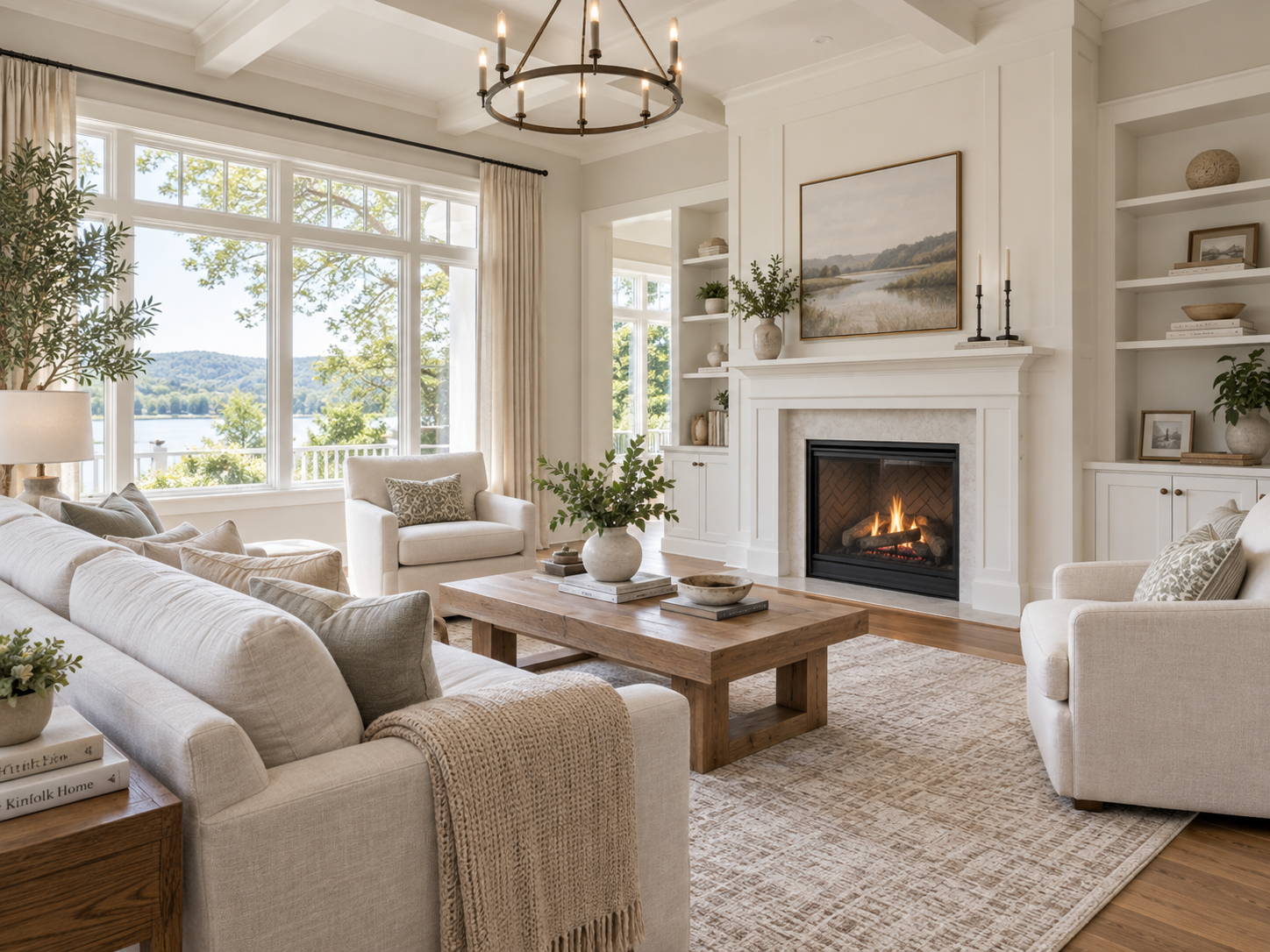
Staging can help buyers understand how rooms function and how furniture fits into the space.
According to the National Association of REALTORS®' 2025 Profile of Home Staging, 83% of buyers' agents said staging made it easier for buyers to picture a property as their future home. Almost half of sellers' agents also reported that staging reduced time on the market.
The rooms buyers' agents considered most important to stage were the living room, primary bedroom, and kitchen.
That does not mean every home needs professional staging throughout.
Sometimes rearranging furniture, removing oversized pieces, simplifying décor, improving lighting, and adding a few carefully selected accessories can make rooms photograph and show better.
5. Address Small Repairs Before Buyers See Them
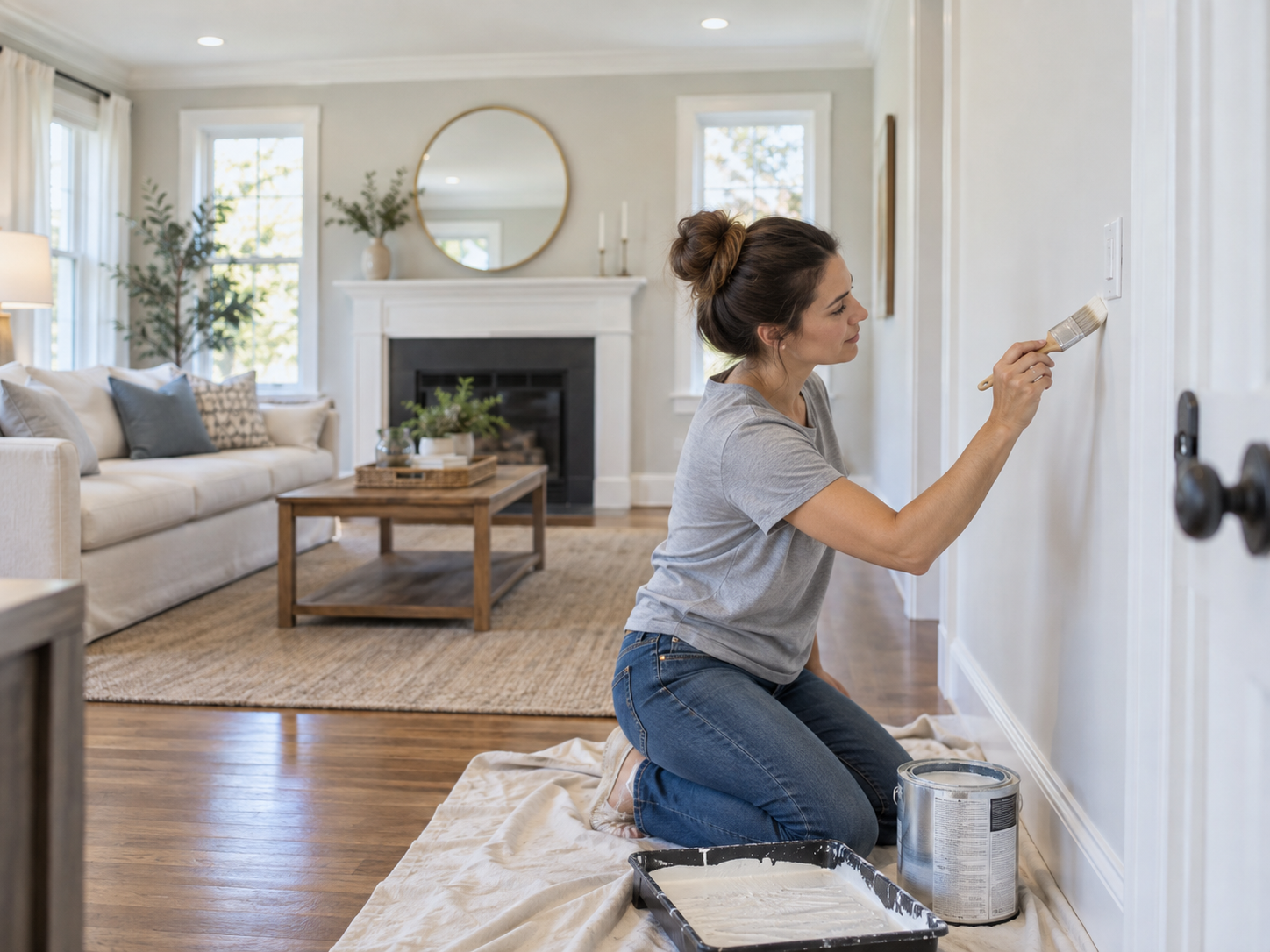
A loose handle, dripping faucet, damaged trim, burned-out lightbulb, or door that does not close properly may seem minor when you live with it every day.
A buyer may see those same items differently.
Several small maintenance concerns can create questions about how the rest of the property has been cared for.
Before listing, walk through the home and identify visible issues that could distract buyers from the property's stronger features.
This does not automatically mean completing every possible renovation.
The better question is: Which repairs or improvements are most likely to matter to buyers in your particular market and price range?
That is where advice from a local real estate professional can help you decide where your time and money are best spent.
6. Use Professional Photography
Most buyers will see your listing online before they ever step inside.
That makes your photos a major part of your first impression.
NAR's 2025 staging research found that 73% of buyers' agents considered listing photos highly important to their clients. Video and virtual tours also remained important parts of property marketing.
Professional photography should help buyers understand the layout and highlight the home's strongest features while accurately representing the property.
Good preparation before the photographer arrives can include opening window treatments, turning on lights, clearing countertops, arranging furniture, removing unnecessary items, preparing outdoor spaces, and making beds neatly.
The stronger the online presentation, the more reason a buyer has to schedule an in-person showing.
7. Highlight the Features Buyers Will Remember
Every home has features that deserve attention.
Maybe your home has a renovated kitchen, hardwood flooring, generous storage, a finished basement, an updated primary bathroom, an outdoor patio, a home office, energy-saving improvements, or convenient access to local transportation and amenities.
Those details should be easy to find in the listing.
Rather than describing everything equally, the marketing should help buyers quickly understand what makes the property worth considering.
For example, if the kitchen was recently renovated, mention the relevant improvements. If the outdoor space offers a large patio or deck, show it clearly in the photos. If the home has flexible rooms for work, hobbies, or guests, explain how the layout can be used.
Accurate, specific details are more useful than exaggerated descriptions.
8. Make Showings Easy for Buyers
More showing opportunities can mean more chances for buyers to connect with your home.
Sellers understandably have schedules, pets, work commitments, and daily responsibilities. Still, when possible, maintaining reasonable flexibility around showing appointments can help.
Before each showing:
Make sure the home is clean, open window treatments where appropriate, turn on interior lights, keep comfortable room temperatures, tidy outdoor areas, and remove sensitive documents or valuable personal items.
Buyers should be able to focus on the property without unnecessary distractions.
A showing should give them enough time and space to look carefully at the home and consider whether it fits their needs.
9. Remember That New Jersey Real Estate Is Local
Statewide statistics provide useful context, but they cannot tell you exactly what is happening on your street.
Buyer activity can differ between Union, Morris, Middlesex, Somerset, and Essex Counties. It can also vary significantly between nearby towns, property types, and price ranges.
Statewide inventory was up 6.2% year over year in July 2026, with 31,332 homes available for sale. That means some buyers have additional choices, making it even more important for sellers to understand their direct competition.
A strong selling plan should look at the homes buyers will compare with yours, not just New Jersey averages.
10. Create a Plan Before Your Home Hits the Market
One of the biggest advantages a seller can have is preparation.
The strongest time to make decisions about pricing, repairs, staging, photography, and marketing is before your listing appears online.
Once buyers begin seeing the property, those first impressions have already been made.
You do not need to tackle every possible home project. Instead, focus on the changes that can help your property present well to today's buyers and support your selling goals.
A clear plan can also make the process feel much more manageable. You will know what needs attention, what can be left alone, and what happens next.

Thinking About Selling Your New Jersey Home?
You do not have to figure out pricing, preparation, presentation, and marketing on your own.
If you are considering selling in Union, Morris, Middlesex, Somerset, or Essex County, I can help you review your home's current condition, look at recent local sales, identify the improvements that may matter most to buyers, and create a clear plan for bringing your property to market.
Curious what your home could sell for and what you should do before listing? Let's connect and talk about your selling goals. I'm here to help you make informed decisions and keep the process organized from start to finish.
Contact Christine Cederquist to talk about what you're looking for and start reviewing New Jersey luxury homes that fit your goals.
Christine Cederquist
Realty ONE Group
Phone: +1 908-380-3555
Email: CederquistRealty@gmail.com
Ready to talk about what you are looking for? Reach out and let’s create a focused home-search plan.
FAQs
What attracts buyers most when selling a New Jersey home?
Competitive pricing, clean presentation, strong photography, good property condition, and clear information about the home's features can all help generate buyer interest. Local market conditions should guide how these elements are handled.
Does staging really help sell a house?
Research from the National Association of REALTORS® suggests it can. In its 2025 study, 83% of buyers' agents said staging helped buyers picture the property as their future home, and 49% of sellers' agents reported reduced market time for staged homes.
Are New Jersey homes still receiving offers above asking price?
Yes, although results vary by area and property. Redfin reported that 47.9% of New Jersey homes sold above list price in July 2026.
Should I renovate my home before selling?
Not necessarily. Some repairs or updates may help your property compete, while others may not provide enough benefit to justify the cost. Reviewing the condition of your home alongside recent comparable sales can help determine which projects deserve attention.