How New Housing Could Support New Jersey Local Economies

More Residents, More Business: How New Housing Could Revitalize Local New Jersey Economies
What happens when a New Jersey community adds new housing? The impact could reach well beyond the homes themselves. More residents can mean more customers for local businesses, additional demand for services, and new opportunities for downtown areas.
Across New Jersey, towns are considering new apartments, mixed-use properties, and residential projects near existing transportation hubs.
For homeowners, these changes raise an interesting question: Could new housing make a community more appealing while also influencing local property values?
The answer is that residential development can support economic activity, but its effects depend on how projects are planned, the needs of the community, and the local housing market.
From Plainfield and Linden to communities throughout Morris, Middlesex, Somerset, and Essex Counties, housing investment is becoming an important part of the conversation about future growth.
Let's look at how new residents could help support New Jersey's local economies and what existing homeowners should keep in mind.

1. How Does New Housing Help Local New Jersey Businesses?
New housing can bring additional customers within convenient reach of existing stores, restaurants, coffee shops, and service providers.
Think about what happens when a new apartment building opens near a downtown shopping district.
Residents may visit local cafes, purchase groceries, dine at nearby restaurants, use professional services, and shop at neighborhood businesses.
Over time, that additional customer activity can help support existing establishments and may encourage new businesses to consider opening nearby.
According to NJ TRANSIT's Transit-Oriented Development program, one of the goals of developing housing near transportation stations is to support regional economic growth and help revitalize business districts.
This approach places residential properties close to transportation, shops, and other daily destinations.
For local businesses, the potential benefit is a larger nearby customer base.
Imagine a small cafe in a New Jersey downtown welcoming additional customers from a newly opened residential building.
Those visits could contribute to more consistent business activity throughout the week.
Of course, the actual impact depends on how many units become occupied, where residents choose to spend their money, and the mix of businesses available.
My advice: If you're a homeowner in a community experiencing new construction, pay attention to how the surrounding commercial areas change. New businesses and improved access to local amenities may become relevant features when marketing your home.
2. Is New Jersey Really Building More Housing?
Yes. New Jersey has authorized a substantial number of new residential units in recent years, reflecting continued efforts to increase housing supply.
According to the New Jersey Department of Community Affairs, the state authorized 204,790 housing units between 2018 and September 2025.
The state also continues to track residential construction through monthly building permit reports.
The New Jersey Department of Labor's Building Permits database provides information about new residential construction at the state, county, and municipal levels.
It is important to understand that a building permit represents authorization for construction, not necessarily a completed or occupied home.
Still, these figures demonstrate the scale of housing activity across New Jersey.
The U.S. Census Bureau estimated New Jersey's population at approximately 9.55 million residents in July 2025, compared with approximately 9.29 million in April 2020.
With population growth and ongoing housing needs, communities are considering how to accommodate additional residents while maintaining access to transportation, public services, and local amenities.
For existing homeowners, development activity is worth watching, but it doesn't automatically mean property values will increase.
My advice: Look beyond statewide headlines. The most meaningful changes to your property's market position will usually come from developments and recent home sales within your own community.
3. Can New Residential Construction Create Jobs and Support the Economy?
Yes. Residential construction can support employment during the building process and create ongoing demand for local goods and services after residents move in.
Building a new residential property requires work from many industries.
Construction projects may involve contractors, electricians, plumbers, engineers, architects, building suppliers, and other professionals.
Once completed, occupied properties can also support ongoing spending at local businesses and create demand for building maintenance, management, and other services.
The National Association of Home Builders' research on the economic impact of home building illustrates how construction can contribute to local income, employment, and government revenue.
Its historical model estimated that constructing 100 rental apartments in a typical local area could support 161 local jobs during the initial construction-related period, along with additional recurring economic activity after occupancy.
These are estimates from a 2015 national model, not measured results for a specific New Jersey development in 2026.
Actual economic results depend on construction costs, local labor participation, occupancy, resident spending, and other conditions.
Nevertheless, the research illustrates why housing development can influence more than the residential real estate market.
New construction has the potential to create economic activity both during construction and after the homes are occupied.
My advice: When evaluating a development announcement, look at the type of project, expected completion schedule, and available information about local economic effects rather than assuming every project will produce the same results.
4. Why Are New Jersey Towns Building Housing Near Train Stations?
Housing near public transportation can provide convenient access to employment centers while placing additional residents close to downtown businesses.
Transit-oriented development has become an important planning approach in New Jersey.
Rather than placing every new residential project far from commercial centers, some communities are considering housing near existing rail stations and transportation services.
This can create opportunities for residents to access stores, restaurants, offices, and public transportation within a concentrated area.
A recent example involves Linden in Union County.
In July 2026, the state announced proposals for transit-oriented housing projects in Linden and Bayonne.
According to the New Jersey Governor's Office announcement, the initiative includes plans to seek development partners for mixed-use residential communities on state-owned property.
The Linden proposal is intended to support downtown housing, additional commercial activity, and better use of transportation infrastructure.
These projects were at the proposal-seeking stage when announced, so their eventual size, completion dates, and local effects should not be treated as confirmed outcomes.
For homeowners, transportation access can be an important part of how buyers evaluate a property.
However, the effect of any particular development on nearby home values will depend on local conditions.
My advice: When preparing a home for sale, highlight accurate transportation and amenity information, including convenient access to NJ Transit and established downtown destinations where applicable.
5. Could New Housing Help Revitalize Downtown Plainfield and Other New Jersey Communities?
New residential development can support downtown activity by increasing the number of people who live near existing shops, restaurants, and services.
Plainfield is an interesting example because of its established transportation connections, historic architecture, and residential development near train stations.
The city has seen investment in apartment communities and mixed-use buildings near its downtown and Netherwood areas.
Similar conversations about housing and commercial development are taking place in communities across New Jersey.
For example, Linden's transit-oriented plans focus on making use of property near its station, while other municipalities are evaluating residential opportunities around existing commercial districts.
These efforts can support local economic activity by placing housing near businesses and transportation.
But successful redevelopment requires more than simply constructing buildings.
Factors such as commercial occupancy, transportation access, property maintenance, public infrastructure, and the needs of existing businesses all influence the outcome.
A new apartment building may add potential customers, but a healthy downtown also benefits from well-maintained public spaces and a useful mix of businesses.
For homeowners, these changes may affect how prospective buyers perceive an area.
My advice: Pay attention to completed improvements, new business openings, and the condition of local amenities. These provide a clearer picture of community changes than proposals alone.

6. Could More Housing Influence Existing Property Values?
New housing can influence nearby real estate values, but the effect is not always positive or negative. It depends on supply, buyer demand, location, and the characteristics of the development.
This is one of the most important considerations for homeowners.
When new residential properties become available, they increase housing choices.
Additional supply may reduce competition for certain property types or provide alternatives for people who want different living arrangements.
At the same time, new investment in commercial spaces and neighborhood amenities may make certain locations more appealing.
For example, a homeowner near an improved downtown shopping area may benefit from increased interest in the surrounding location.
However, construction activity, traffic, parking concerns, and additional competing properties can also affect buyer perceptions.
The effect will not necessarily be the same for a single-family Colonial, a townhouse, and a newly constructed apartment.
My advice: Don't assume a new development will automatically raise your home's value. Review recent comparable sales, active listings, and current buyer demand before making decisions about pricing or timing.
7. What Challenges Should Communities Consider When Adding New Housing?
New residential construction can support economic activity, but communities must also consider transportation, infrastructure, public services, affordability, and the effects on existing residents and businesses.
Adding homes can increase demand for roads, utilities, public transportation, and other local resources.
Municipalities may also need to evaluate how redevelopment affects parking, stormwater management, public spaces, and existing commercial activity.
Some projects can generate additional property tax revenue, although the actual fiscal effect depends on development agreements, tax arrangements, infrastructure costs, and service requirements.
In some locations, new construction may also create temporary disruptions for nearby properties and businesses.
The goal of thoughtful planning is to consider these issues alongside the potential benefits of more housing.
For homeowners, it is useful to distinguish between an announced project and a completed one.
A proposal may change before receiving final approval, and construction schedules can shift.
My advice: Stay informed through municipal planning documents, public meetings, and official development announcements. Accurate information helps you understand changes without relying on speculation.
8. What Should New Jersey Homeowners Watch as Their Communities Change?
Homeowners can make better real estate decisions by following local development alongside current housing market activity.
If you're thinking about selling in the coming years, new housing construction is worth considering as part of the broader local market.
I recommend watching five areas:
1. New residential projects
Find out what's proposed, approved, under construction, or completed near your property.
2. Changes in downtown businesses
Look for new storefront openings, commercial improvements, and changes in available services.
3. Transportation and public improvements
Pay attention to road projects, station-area improvements, and other infrastructure investments.
4. Housing competition
Review how new listings compare with existing homes in your price range.
5. Recent comparable sales
Look at actual sales prices and market activity to understand your home's current position.
These details can help you make more informed decisions about selling.
Whether you own a historic residence in Plainfield, a Colonial in Westfield, or a home in Morris, Middlesex, Somerset, or Essex County, your property's value depends on several factors working together.
New development is one part of that picture, not the entire story.
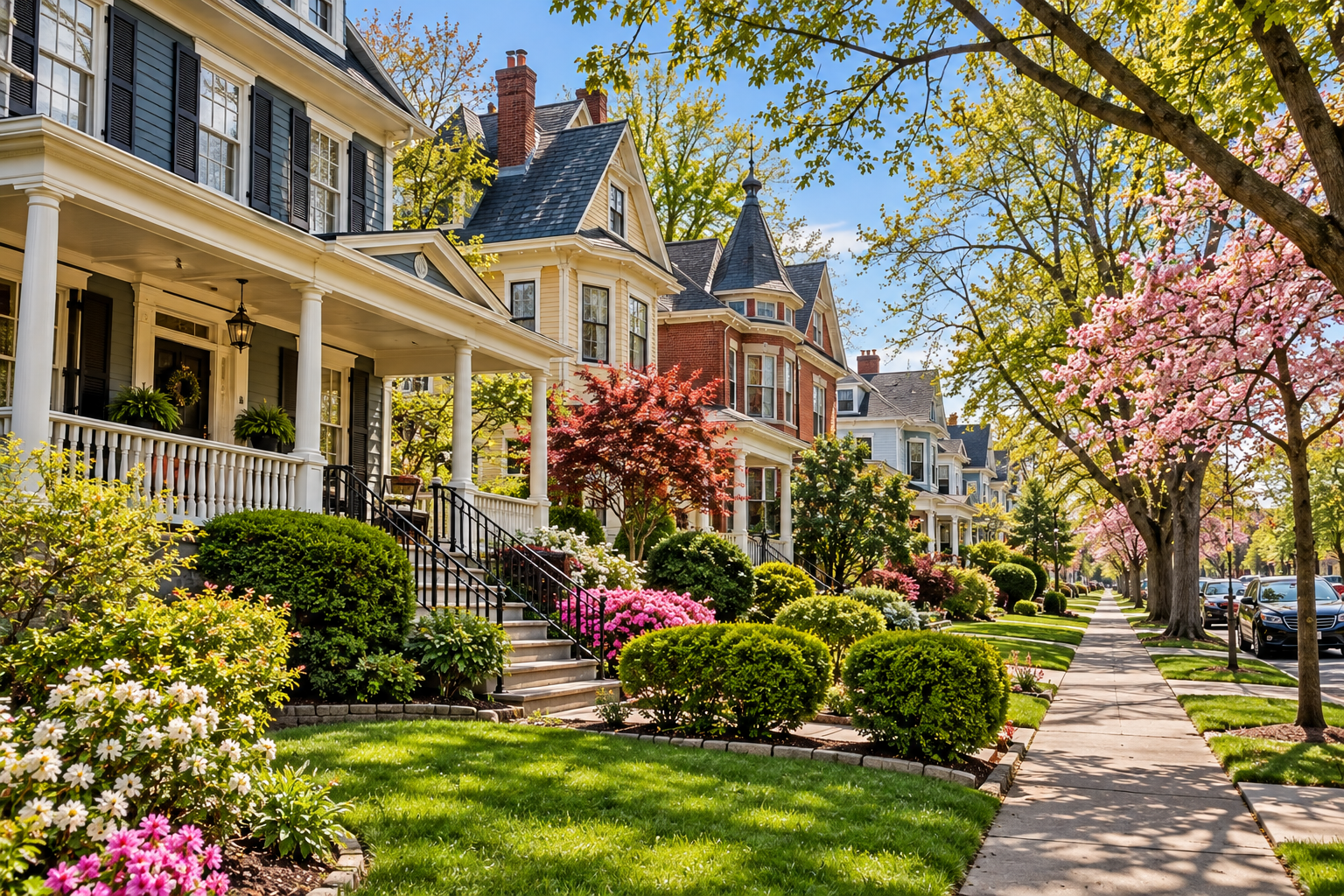
Thinking About Selling Your New Jersey Home as Your Community Changes? Let's Talk.
New housing has the potential to bring more than additional residents to New Jersey communities.
It can introduce new customers for local businesses, support employment, and create opportunities for investment in downtown areas.
But for homeowners, the most important question is how these changes could affect their own property and selling goals.
That's where local market knowledge and a thoughtful selling strategy make a difference.
As a lifelong New Jersey resident and real estate professional with Realty ONE Group, I understand how important our communities are and how meaningful the decision to sell a home can be.
My priority is to help you understand the market, prepare your property thoughtfully, and make informed decisions with confidence.
Whether your community is experiencing new construction, downtown improvements, or changing buyer demand, I'm here to help you understand what those changes may mean for your next move.
Curious What Your New Jersey Home Could Sell for in Today's Market?
Let's review your home's current value, recent sales in your neighborhood, and the local developments that may influence buyer interest.
Together, we can create a clear plan that supports your timeline and helps you work toward a successful sale.
Contact Christine Cederquist | Realty ONE Group
Christine Cederquist
Realty ONE Group
Phone: +1 908-380-3555
Email: CederquistRealty@gmail.com
Serving homeowners throughout Union, Morris, Middlesex, Somerset, and Essex Counties, New Jersey.
Bringing Your Dream Home
Information reflects published sources available through October 2026. Planned developments may change, and the economic or property value effects of new housing are not guaranteed.
FAQs
How does new housing help local businesses in New Jersey?
New housing can introduce more potential customers for nearby shops, restaurants, grocery stores, and services. Actual benefits depend on occupancy, resident spending, and how well new development connects with existing commercial areas.
Does building more homes create local jobs?
Yes. Residential construction can support construction-related employment and demand for materials and professional services. Occupied housing can also generate recurring economic activity through local spending and property operations.
Will new housing construction increase my home's value?
Not necessarily. New development may influence demand, local amenities, and housing competition, but property values depend on many factors. A current comparative market analysis provides a more reliable basis for assessing your home's value.
Should I wait until new development is completed before selling my home?
It depends on your goals, property condition, local market trends, and selling timeline. Future construction does not guarantee higher prices, so your decision should be based on current market evidence and your individual circumstances.