Housing, Retail & Transit Reshaping NJ Downtowns

Housing, Retail and Transit: The New Formula Reshaping New Jersey Downtowns
How mixed-use development and convenient transportation are changing local communities and what homeowners should know.
New Jersey's downtowns are changing, and it's about more than new apartment buildings or restaurants opening along Main Street.
Across the state, communities are bringing housing, retail, and public transportation closer together. This approach, known as transit-oriented development, creates opportunities for more housing options, supports local businesses, and makes everyday destinations more accessible.
For homeowners, these changes raise an important question: Could downtown redevelopment influence your home's appeal and value?
The answer depends on your specific location, housing market, and the projects taking shape nearby. Understanding these changes can help you make more informed decisions, especially if selling your New Jersey home is on your mind.
What Is Driving New Jersey Downtown Redevelopment?
New Jersey downtown redevelopment is increasingly focused on creating convenient, connected places where housing, shopping, dining, and public transportation are located near one another.
The New Jersey Department of Transportation's Transit Village Initiative recognizes municipalities committed to compact, mixed-use development near transportation facilities.
This approach typically includes three key elements:
- Housing: Apartments, condominiums, and other residential options near established downtown areas.
- Retail: Shops, restaurants, cafés, and everyday services that make downtown streets active throughout the day.
- Transit: Train stations, bus connections, and accessible streets that provide more transportation choices.
The goal is to create downtown areas where residents and visitors can reach more destinations conveniently, while making better use of existing transportation infrastructure.
According to NJ TRANSIT's transit-oriented development program, these projects can support housing opportunities, strengthen business districts, and improve access to transportation.
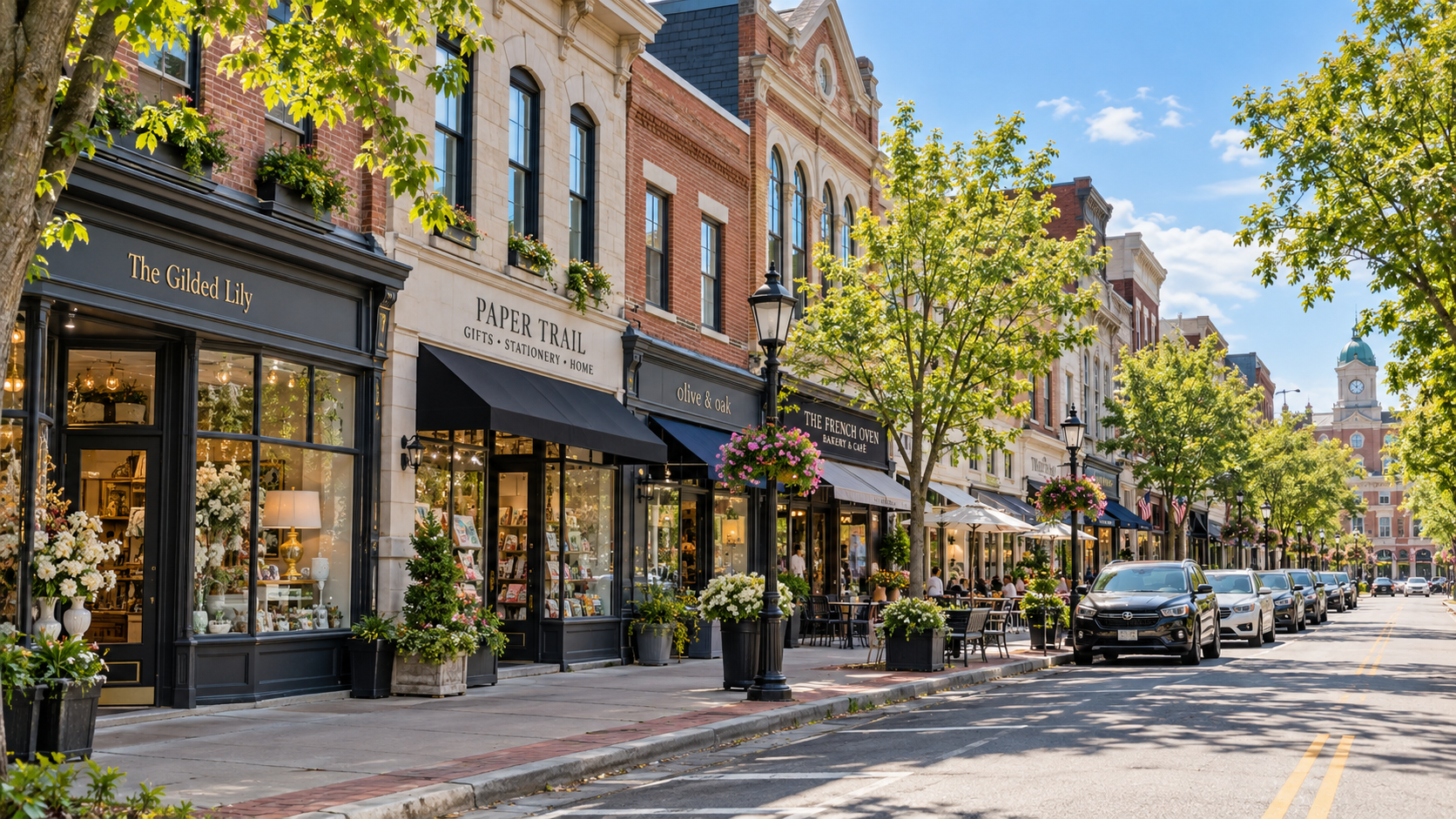
Why Are Housing, Retail, and Transit Being Planned Together?
Housing helps support local businesses, retail gives people reasons to spend time downtown, and public transportation connects these destinations to the wider region.
Consider a downtown with apartments near a train station, ground-floor shops, nearby restaurants, and inviting public spaces.
Residents have more options for dining, shopping, and commuting. Local businesses may gain customers from nearby homes and transit activity. Visitors also have more reasons to spend time in the area.
For communities, this planning approach offers the potential to make downtown streets more active while supporting long-term economic activity.
It is not simply about constructing more buildings. Successful redevelopment also requires thoughtful planning for parking, public spaces, traffic, accessibility, and the character of existing neighborhoods.
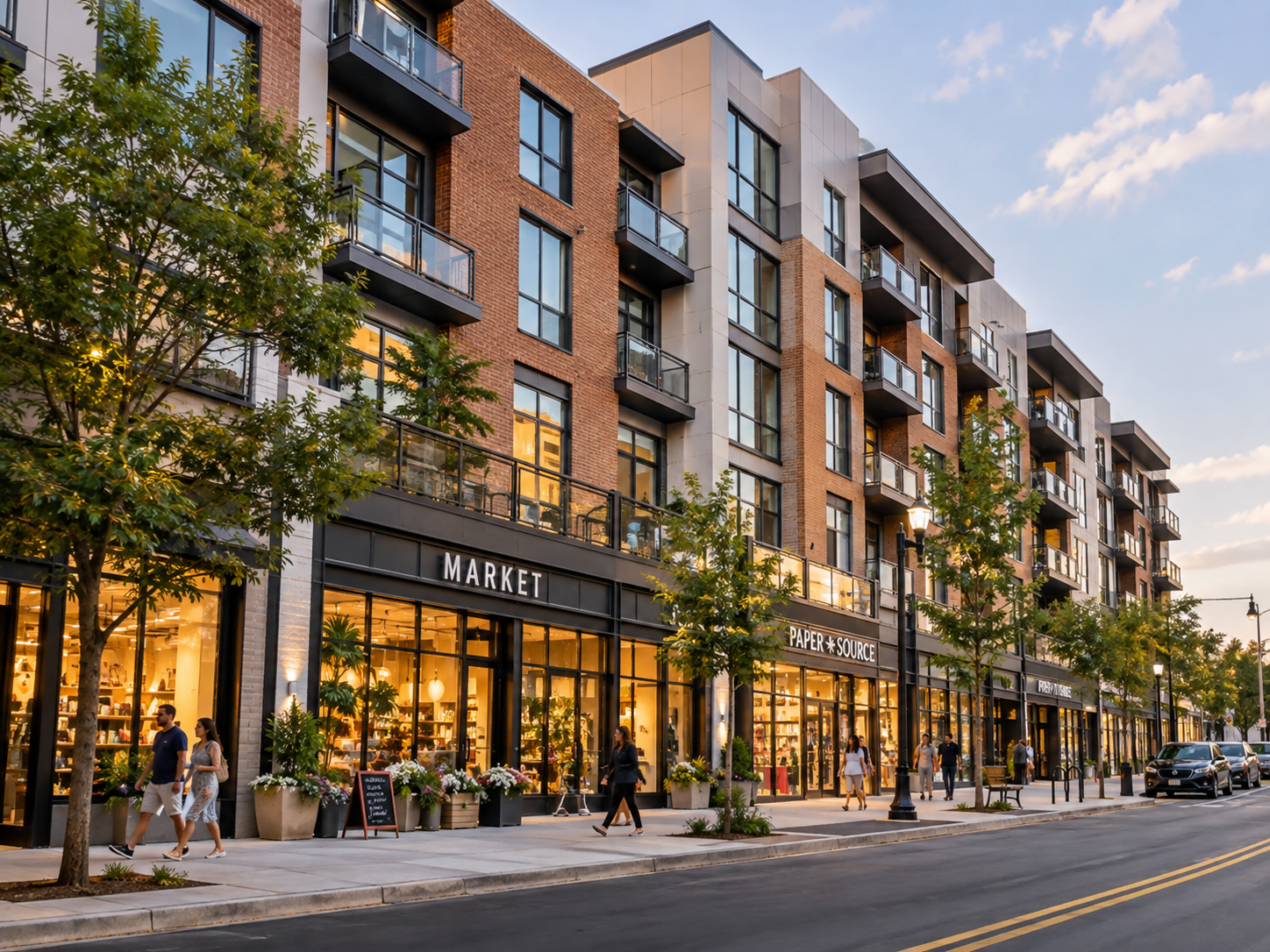
Which New Jersey Downtowns Are Seeing These Changes?
Several New Jersey communities offer examples of how housing, retail, and transportation are influencing downtown planning.
Westfield: Planning for a Connected Downtown
Westfield in Union County has long been recognized for its downtown shopping, dining, architecture, and rail access.
The town's Smart Growth Plan outlines a vision for a pedestrian-oriented downtown with varied housing choices, commercial activity, public spaces, and connections to surrounding neighborhoods.
The plan also emphasizes preserving the town's architectural character while accommodating carefully managed development.
For homeowners in Westfield, this is an important reminder that changes in the downtown district may become part of how prospective buyers evaluate location, convenience, and nearby amenities.
Cranford, Rahway, and Summit: Established Transit Villages
Cranford, Rahway, and Summit are among New Jersey's officially designated Transit Villages.
These communities demonstrate the state's long-standing interest in connecting established downtown districts with rail access, housing, and commercial activity.
Each has its own architecture, shopping areas, transportation options, and local character.
Their Transit Village designations do not mean that every proposed redevelopment project has been completed. Instead, the designations recognize municipal commitments to transit-focused planning.
Homeowners can learn more through the New Jersey DOT's official Transit Village list.
Linden: New Housing Opportunities Near the Train Station
Linden offers a more recent example of transit-focused planning in Union County.
In July 2026, the New Jersey Economic Development Authority announced a request for redevelopment proposals involving a commuter parking lot at Linden's train station.
The initiative seeks to create additional housing near transit while considering commuter parking, energy-efficient design, and pedestrian connections.
The site is located between existing mixed-use developments near the station.
This project illustrates how communities can consider underused land near public transportation for future residential development.
The proposal process does not guarantee that construction will proceed on a particular schedule.

How Could Downtown Redevelopment Affect New Jersey Home Values?
Downtown improvements may influence how buyers view a property, but they do not automatically increase home prices.
A home located near convenient transit, shopping, restaurants, parks, and community amenities may appeal to buyers who value those features.
Still, buyers consider much more than the downtown area.
Property condition, recent comparable sales, pricing, taxes, lot size, home layout, and market competition all influence a property's value.
Redevelopment may also bring concerns about construction activity, parking demand, traffic, or changing building density.
That is why homeowners should look at the full picture rather than assume that every new project will increase their home's selling price.
What Should Homeowners Pay Attention To?
If redevelopment is happening near your property, consider the following:
- Transportation access: Are rail service, bus connections, or station facilities changing?
- New development: Which projects are approved, under construction, or still being proposed?
- Downtown amenities: Are new retail spaces, restaurants, parks, or public improvements planned?
- Housing inventory: Could additional residential units affect competition in your local market?
- Comparable sales: What are buyers currently paying for similar homes nearby?
These details can help you understand how your location fits into the current real estate market.
What Does This Mean If You're Thinking About Selling Your Home?
If you own a home in Union, Morris, Middlesex, Somerset, or Essex County, local development is one factor worth reviewing before you list.
Buyers may appreciate convenient access to transportation, established shopping districts, nearby services, and community amenities.
But making those features part of a successful sale requires more than mentioning them in a listing description.
The right selling strategy connects your home's actual strengths with what buyers are looking for in your specific market.
That includes:
- Reviewing recent comparable home sales
- Understanding buyer preferences in your area
- Identifying which property updates are worth considering
- Presenting your home's features clearly and professionally
- Setting a competitive asking price based on current market conditions
A thoughtful pricing and marketing plan can help position your property effectively without relying on assumptions about future redevelopment.
Will New Jersey Downtowns Continue to Change?
Housing and transit planning remain active priorities across New Jersey.
In July 2026, state officials also announced a redevelopment solicitation for land near Bayonne's 34th Street Light Rail Station, with plans seeking housing, ground-floor commercial space, public areas, and transportation improvements.
Together with Linden's proposed redevelopment, the announcement reflects the state's ongoing interest in making better use of properties near existing transit services.
For homeowners, staying informed about municipal plans, zoning decisions, transit projects, and nearby home sales provides a more complete understanding of local market conditions.

Thinking About Selling? Let's Talk About Your Home's Potential.
New Jersey's downtowns are changing, and understanding what is happening around your property is an important part of making informed real estate decisions.
Whether your home is near a train station, a growing downtown district, or an established residential neighborhood, its value deserves a closer look based on today's market.
As a lifelong New Jersey resident and real estate professional, I understand that selling your home is a major decision. My goal is to make the process feel clear, organized, and manageable, with strategic pricing, thoughtful preparation, and open communication from start to finish.
Curious what your home could sell for in today's New Jersey market?
Let's connect for a personalized home value conversation and discuss how local market conditions, nearby development, and your property's features could influence your selling strategy.
Christine Cederquist
Realty ONE Group
Phone: +1 908-380-3555
Email: CederquistRealty@gmail.com
Ready to talk about your selling goals? I'm here to help you take the next step with confidence.
FAQs
What is transit-oriented development in New Jersey?
Transit-oriented development is residential, commercial, or mixed-use construction planned near public transportation. It typically supports convenient access to housing, shopping, services, and transit connections.
Which New Jersey towns have Transit Village designations?
New Jersey has designated communities that include Cranford, Rahway, Summit, Morristown, Metuchen, Somerville, and South Orange. The state's official Transit Village website provides the full list.
Does living near a train station increase home value?
Transit access can be an attractive property feature, but its effect on value varies. Comparable sales, property condition, location, transportation service, and buyer demand all matter.
How do I find out whether redevelopment is planned near my home?
Start with your municipality's planning board, redevelopment plans, and zoning information. NJ TRANSIT and the New Jersey Department of Transportation also publish information about transit-related initiatives.