Historic Homes & New Development in Plainfield NJ: Real Estate Outlook

Historic Homes Meet Modern Development: How Plainfield's Changing Downtown Could Influence Real Estate
Plainfield, NJ Real Estate and Community Insights | November 2026
What happens when a city known for its beautiful historic homes begins welcoming modern apartment buildings, new businesses, and major downtown investments?
That's a question worth asking in Plainfield, New Jersey.
Known as the Queen City, Plainfield has long been recognized for its Victorian architecture, historic neighborhoods, established residential streets, and convenient NJ TRANSIT connections.
Now, new residential projects and commercial redevelopment are changing parts of the downtown area, creating fresh conversations about the city's future.
For homeowners, these changes raise an important question: Could Plainfield's downtown redevelopment influence property values, buyer interest, and the local housing market in 2027 and beyond?
Here's what you should know about the city's historic character, ongoing development, and what it could mean if you're thinking about selling your home.

1. What Makes Plainfield's Historic Homes So Special?
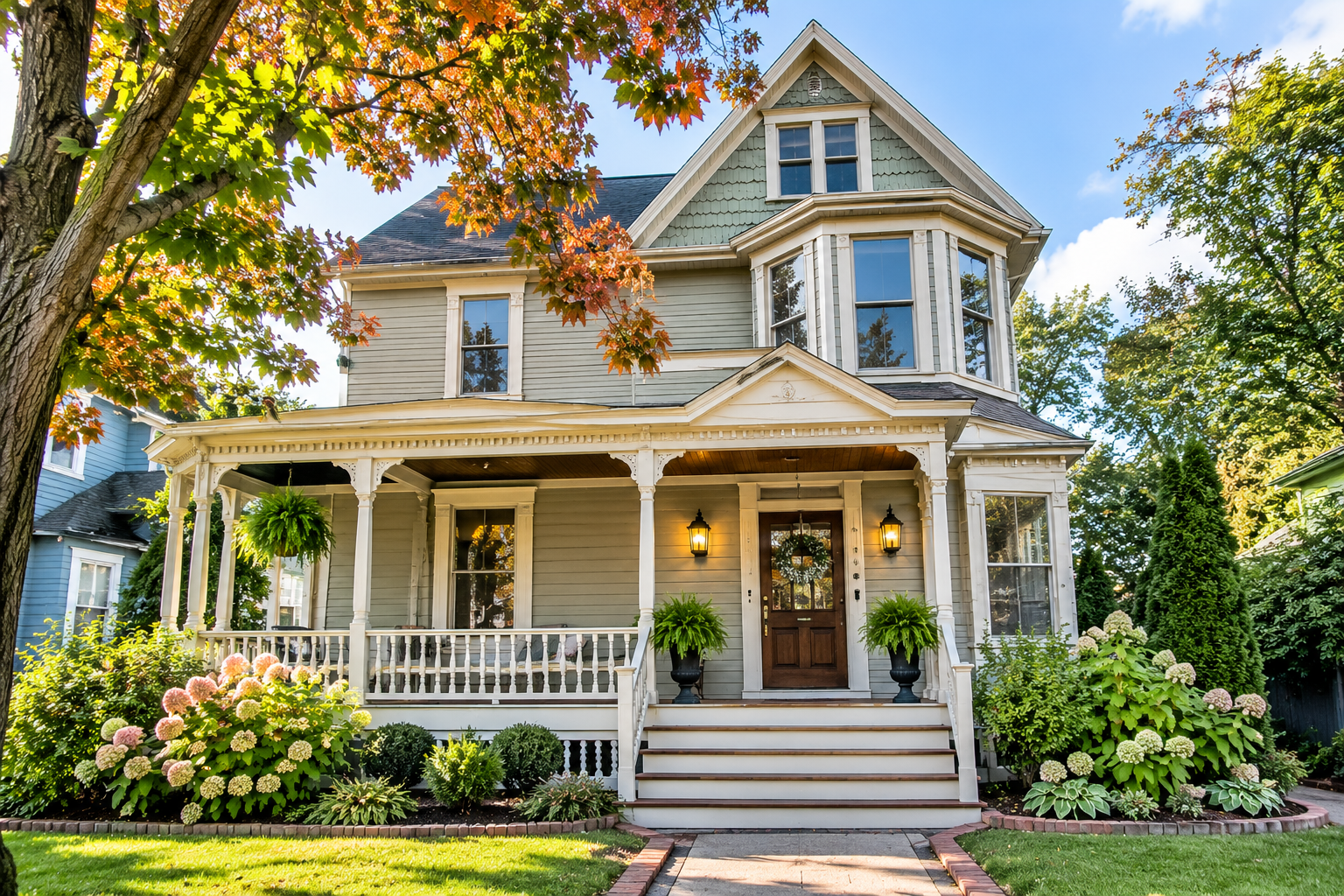
Plainfield's historic architecture is one of the city's most recognizable features.
Throughout the community, you'll find beautifully detailed Victorian residences, stately Colonial Revival homes, and properties showcasing craftsmanship that reflects New Jersey's architectural history.
According to the Historical Society of Plainfield's guide to historic districts, the city has several established historic areas featuring Queen Anne, Shingle-style, and Colonial Revival architecture.
Among the notable historic districts are:
- Crescent Area Historic District: Known for its late 19th-century and early 20th-century homes, including examples of Queen Anne and Colonial Revival architecture.
- Van Wyck Brooks Historic District: Recognized for its historic residential architecture and architectural variety.
- Hillside Avenue Historic District: Featuring an impressive collection of large historic residences and distinctive architectural details.
- Plainfield Civic Historic District: An area surrounding important historic and civic properties near the downtown railroad station.
These neighborhoods offer architectural details that are not always found in newer construction.
Think of wraparound porches, decorative woodwork, tall windows, detailed rooflines, and spacious interior layouts.
For buyers who appreciate architectural character, these features can make an established home particularly appealing.
For homeowners considering selling, preserving and highlighting these details may help a property stand out.

2. How Is Modern Development Changing Downtown Plainfield?
While Plainfield's historic neighborhoods remain an important part of its identity, redevelopment is bringing new residential and commercial buildings to several downtown locations.
One major focus is transit-oriented development, which encourages housing and businesses near public transportation.
Plainfield received its Transit Village designation in 2014, reflecting the city's commitment to development around its rail stations.
According to NJ TRANSIT's Transit Friendly Planning publication, residential development has been progressing near Plainfield Station and Netherwood Station.
Several projects help illustrate these changes.
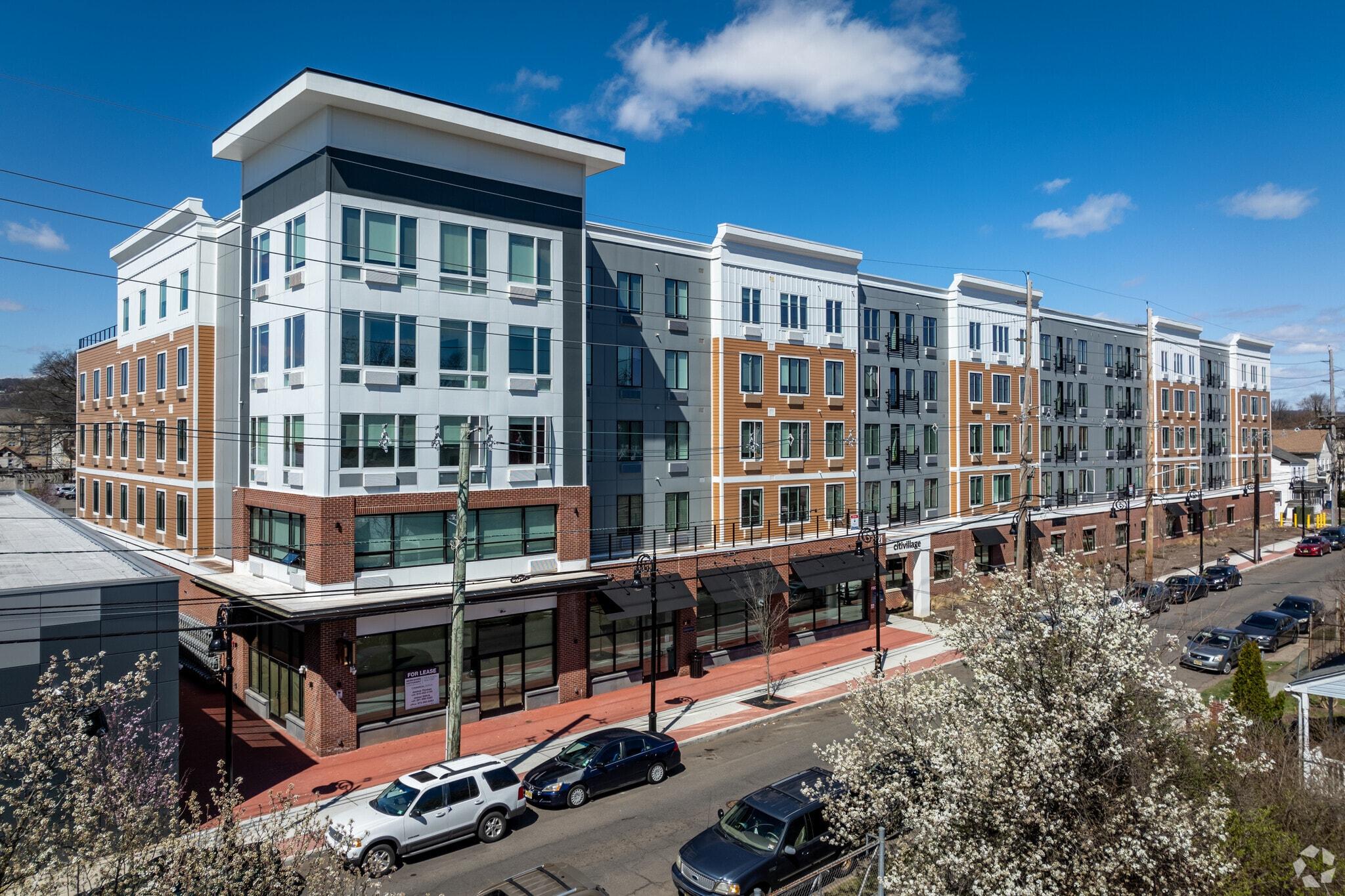
Citivillage at Plainfield Station
Citivillage is a major residential project near Plainfield's downtown train station.
The initial phase brought new apartments to the area, while additional phases have been planned as part of a larger redevelopment effort.
These projects are intended to provide additional residential options near transportation and existing businesses.
BELLA Residential Development
Another planned project is BELLA, a 357-unit apartment development identified in NJ TRANSIT's redevelopment reporting.
This project is part of the city's broader effort to increase housing options near the downtown area.
New Mixed-Use Buildings
Development is not limited to apartments.
A September 2026 Real Estate NJ report described a downtown site with approvals for 68 apartments and ground-floor commercial space.
These mixed-use projects could bring more residents closer to restaurants, shops, public transportation, and local services.
It's important to distinguish completed construction from approved or planned projects. Development schedules can change, and not every proposed building will necessarily be completed in 2027.
Still, the amount of redevelopment activity suggests that the city's downtown will remain an important area to watch.
3. Could New Businesses Make Downtown Plainfield More Appealing?
New apartments may also create opportunities for restaurants, cafés, retail stores, and other local businesses.
As additional residential properties are developed, nearby commercial areas may experience greater demand for everyday services.
For example, an August 2026 Real Estate NJ report highlighted an approved mixed-use development at 1314 West Front Street.
The plans include 98 rental apartments and approximately 4,200 square feet of restaurant space.
Projects like this show how new housing and commercial activity can support each other.
Additional businesses could also give residents more options for dining, shopping, and accessing local services.
For existing homeowners, these changes may become relevant when describing the conveniences available near a property.
However, new commercial space does not guarantee successful businesses. The long-term impact will depend on leasing activity, customer demand, and the ability of new and established businesses to thrive.

4. Can Plainfield Preserve Its Historic Character While Adding New Buildings?
One of the most important questions surrounding redevelopment is how a city can accommodate new construction while protecting its architectural history.
Plainfield has a longstanding commitment to historic preservation.
Its Historic Preservation Commission helps oversee designated historic properties and districts.
According to Preservation New Jersey, Plainfield was among the first municipalities in New Jersey to receive Certified Local Government status for historic preservation.
That recognition has supported preservation-related planning and restoration efforts.
But balancing redevelopment and preservation isn't always straightforward.
A Current Example: Dudley House
In September 2026, Preservation New Jersey reported on concerns involving Dudley House, a late 19th-century Italianate-style property in Plainfield.
The City Council's July 2026 redevelopment designation raised questions about the building's future and how historic resources should be considered in redevelopment decisions.
This illustrates an important issue for Plainfield: new development can create opportunities, but residents and preservation advocates may have different views about how particular sites should change.
Maintaining the city's historic architecture while making room for new housing and commercial projects will continue to be an important consideration.
For homeowners in designated historic districts, preservation requirements may also affect certain exterior renovations.
Before making significant changes, it's helpful to review the applicable regulations and determine whether historic preservation approval is necessary.
5. How Could Downtown Redevelopment Influence Plainfield Home Values?
If you're a Plainfield homeowner, this is likely one of your biggest questions.
Will the addition of new apartments, businesses, and neighborhood improvements make existing homes more attractive to buyers?
It's possible, but the impact will vary from property to property.
Downtown redevelopment may influence housing demand in several ways.
Greater Attention From Homebuyers
As new development projects receive publicity, more people may begin researching Plainfield's neighborhoods and housing options.
This could introduce additional buyers to the city's established residential areas.
More Convenient Local Amenities
New restaurants, shopping options, and community services may increase the convenience of living near downtown.
These amenities can be valuable considerations when buyers compare properties in different communities.
Renewed Interest in Historic Properties
As modern buildings become more visible, some buyers may place greater value on the character and craftsmanship found in older homes.
Features such as original woodwork, attractive porches, and traditional architectural details can help distinguish historic properties from newer housing options.
Potential Challenges
Redevelopment can also introduce concerns involving construction activity, traffic, parking demand, infrastructure, and property expenses.
And while improvements to a neighborhood can influence buyer interest, they do not automatically increase property values.
A home's selling price still depends on its condition, location, comparable sales, housing inventory, and overall market conditions.
For homeowners thinking about selling, the important question isn't simply whether Plainfield is growing. It's how your property compares with the homes buyers are choosing today.
6. What Should Owners of Historic Homes Consider Before Selling?
Selling a historic home often requires a thoughtful approach.
Older properties can offer beautiful architectural details, but buyers may also consider maintenance requirements, upgrades, and the condition of major systems.
If you're preparing to sell a historic property in Plainfield, here are a few important areas to focus on.
Preserve architectural character.
Original hardwood floors, decorative molding, fireplaces, and detailed exterior features may contribute to your home's appeal. Consider which elements should be preserved or restored rather than replaced.
Address necessary repairs.
Before listing, review the condition of major components such as roofing, heating, plumbing, and electrical systems. Addressing relevant issues can help buyers better understand the property's condition.
Make improvements that support your selling goals.
Not every renovation delivers the same return. Concentrate on improvements that make the home present well without removing important historic details.
Price according to the current market.
A home's historic significance is part of its story, but its asking price should also reflect recent comparable sales, condition, location, and buyer demand.
Present the home professionally.
High-quality photography, thoughtful staging, and clear property descriptions can help potential buyers recognize what makes the home appealing.
For properties subject to historic preservation rules, confirm which improvements require approval before beginning work.
Having a clear preparation and marketing plan can make a meaningful difference in the selling experience.
7. What Should Plainfield Homeowners Watch Heading Into 2027?
With redevelopment activity continuing in several areas, 2027 could offer a clearer picture of how new construction and historic preservation efforts are progressing.
A few key developments are worth monitoring:
- Residential construction: Which apartment and mixed-use projects begin construction or move closer to completion?
- Commercial activity: Will additional retail and restaurant spaces attract new tenants?
- Historic preservation: How will redevelopment proposals address designated historic properties?
- Buyer preferences: Will interest in historic residences change as newer housing options become available?
- Housing inventory: How will the supply of homes for sale compare with local buyer demand?
These factors may provide useful context, but they should not replace property-specific market information.
If you're considering a sale in 2027, reviewing current comparable sales and preparing your property in advance can help you approach the market with greater confidence.
Thinking About Selling Your Plainfield Home? Let's Make a Plan.
Plainfield is a city with a remarkable architectural history, and its ongoing downtown development adds another interesting chapter to the local real estate story.
If you own a home here, you may be wondering how these changes could influence your property's value and whether the coming year might be the right time to sell.
I'm here to help you understand your options.
As a lifelong New Jersey resident and real estate professional, I appreciate the character of our local communities and understand that selling a home is both a financial and personal decision.
My approach is simple: listen to your goals, provide clear communication, recommend practical preparation steps, and develop a pricing and marketing strategy based on your property and the current market.
Curious what your Plainfield home could sell for as the downtown area continues to change?
Let's connect for a personalized home value assessment and talk about how to prepare your property for a successful sale.
Christine Cederquist
Realty ONE Group
Phone: +1 908-380-3555
Email: CederquistRealty@gmail.com
Your home deserves a thoughtful strategy, and you deserve guidance you can count on.
Editorial note: Information reflects reporting and planning materials available as of November 19, 2026. Redevelopment approvals, project schedules, and preservation decisions may change. Property values and future market conditions cannot be guaranteed.
FAQs
Are historic homes in Plainfield NJ desirable to buyers?
Historic homes may appeal to buyers who appreciate traditional architecture, detailed craftsmanship, and established residential settings. Actual demand depends on the home's condition, asking price, location, and current market conditions.
Will new apartment buildings affect Plainfield property values?
New developments may influence neighborhood amenities and housing demand, but they do not guarantee higher property values. Single-family homes and apartment properties may also respond differently to changes in supply.
Should I renovate my historic Plainfield home before selling?
That depends on the property's condition, the cost of improvements, local buyer expectations, and applicable preservation requirements. A property assessment and market comparison can help identify which updates are worth considering.
Does Plainfield NJ have historic districts?
Yes. Plainfield has multiple designated historic districts, including the Crescent Area, Van Wyck Brooks, Hillside Avenue, and Civic Historic Districts. Some properties are subject to preservation-related requirements.