Could New Development Change Plainfield's Housing Market?

Could New Development Change the Future of Plainfield's Housing Market?
Plainfield, New Jersey, is experiencing a period of redevelopment, with new apartment communities, mixed-use projects, and plans for downtown improvements bringing fresh attention to the city. But what could all this activity mean for homeowners and property values?
For a city known for its historic Victorian homes, tree-lined streets, and distinctive architecture, new development raises an interesting question.
Could investment in housing, businesses, and neighborhoods influence the future of Plainfield real estate?
The answer is yes, potentially. However, the effects won't necessarily be the same for every property.
New construction may attract interest, create additional housing choices, and support commercial activity. At the same time, increased housing supply, construction disruptions, and changing neighborhood conditions can influence how buyers evaluate individual properties.
If you own a home in Plainfield or are thinking about selling in the coming years, understanding what's happening locally can help you make more informed decisions.
Let's look at the developments shaping the city and what they could mean for the Plainfield housing market.
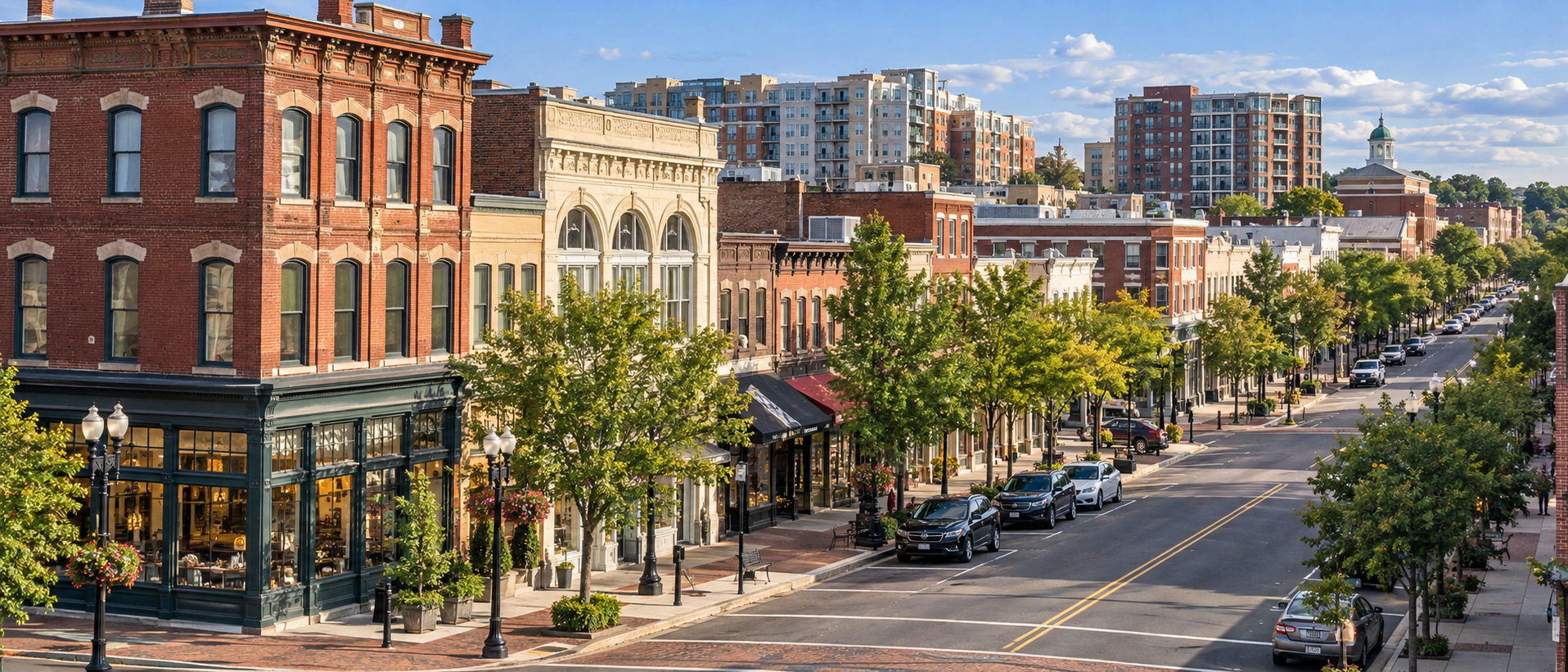
1. What New Developments Are Happening in Plainfield, NJ?
Plainfield has several completed, approved, and proposed residential projects, including transit-oriented apartments, mixed-use buildings, and redevelopment of previously used commercial and institutional properties.
One of the city's most notable changes has been the increase in residential investment around Plainfield and Netherwood train stations.
According to the New Jersey Transit Friendly Planning Newsletter, Plainfield has attracted several substantial housing developments over the past decade.
These include:
- QUIN Sleepy Hollow: A 212-home mixed-use development near Netherwood Station that opened in 2019.
- 1000 North Avenue: A 120-unit apartment building developed by Iron Ore Properties.
- Netherwoods Flats: A 70-unit mixed-use development.
- The Station at Grant Avenue: A 90-unit affordable housing development completed in 2021.
- Citivillage at Plainfield Station: A multi-phase project whose first 131-unit building was completed in 2023.
- Centurion Sleepy Hollow: A 100-unit development that opened for leasing in July 2025.
These projects represent additional housing options near existing transportation and community amenities.
They also suggest that developers continue to see opportunities for residential investment in Plainfield.
However, the distinction between completed buildings and future proposals is important.
Announced developments may change in size, design, financing, or construction schedule before completion.
My advice: If you're considering selling your home, pay attention to projects near your property, but don't assume every proposed development will be completed as originally announced.
2. How Could Downtown Redevelopment Affect Plainfield's Appeal?
Downtown investment could influence how buyers view Plainfield by adding residential choices, commercial spaces, and activity near transportation corridors.
One notable proposal involves a substantial mixed-use project near West Front Street.
The Plainfield Special Improvement District has described plans for a development on the block bordered by West Front Street, Central Avenue, Madison Avenue, and West Second Street.
An earlier proposal outlined 277 residential units, ground-floor retail space, parking, and restaurant space.
The project's architect, Taylor Architecture & Design, separately describes a larger Village West design with 358 residential units, retail space, and restaurants.
Because these published descriptions differ, homeowners should confirm the latest approved plans before relying on a particular unit count or construction schedule.
Why might this matter for real estate?
A project introducing additional housing and commercial space could encourage more activity around existing businesses.
For buyers who value convenient access to restaurants, shopping, and transportation, those features may contribute to the appeal of certain locations.
However, new development can also affect traffic, parking, construction activity, and competition among available housing.
My advice: Look at both the possible benefits and practical effects of nearby construction. A thoughtful discussion of local changes should include what is confirmed today, not simply what might happen years from now.

3. Why Is Transit-Oriented Development Important to Plainfield?
Housing near public transportation can appeal to buyers who prioritize commuting access and convenient connections to other New Jersey communities.
Plainfield has an established transportation advantage: access to NJ Transit's Raritan Valley Line.
The city is served by Plainfield Station and Netherwood Station, providing rail connections toward Newark and other communities along the line.
According to NJ Transit's Plainfield Station information, the station provides Raritan Valley Line service and offers parking and bicycle facilities.
This access helps explain why several residential projects have been concentrated near the city's stations.
Transit-oriented development generally places housing and other activities near transportation services.
For Plainfield, that approach may support additional housing choices while making use of existing rail infrastructure.
For homeowners, the effect on property values is more complicated.
A location with convenient transportation access may attract buyer interest, but proximity to new construction can also introduce considerations involving noise, parking, and the surrounding streetscape.
Every property has its own circumstances.
My advice: If your home is near a train station or transit-focused development, highlight accurate location benefits when marketing the property. Avoid assuming proximity alone guarantees a higher selling price.
4. Could New Construction Increase Competition for Existing Plainfield Homes?
Yes. Additional housing creates more choices, and that can influence how buyers compare properties in certain price ranges.
When a city adds apartments and mixed-use residences, the overall housing supply changes.
That doesn't necessarily mean existing single-family homes will lose value.
New apartments and traditional single-family properties often appeal to buyers with different housing priorities.
For example, someone considering an apartment near a train station may prioritize lower-maintenance living and convenient access to transportation.
A buyer considering a detached Colonial or Victorian home may place more importance on outdoor space, architectural details, or additional rooms.
Still, these markets can overlap.
As more residential options become available, buyers may compare price, condition, maintenance responsibilities, property taxes, and nearby amenities more carefully.
This makes accurate pricing especially important for homeowners preparing to sell.
A well-maintained older home with appealing architectural features can offer a different ownership experience from a newly constructed apartment.
The key is explaining those differences clearly.
My advice: Don't compete with new construction simply by trying to make an older home look brand new. Focus on its genuine strengths, condition, available space, and location.
5. What Does the Former Muhlenberg Hospital Redevelopment Mean for Plainfield?
The reuse of the former Muhlenberg Regional Medical Center demonstrates how existing properties can be adapted for new residential and community uses.
One significant example is The Randolph Apartments at 1330 Randolph Road.
According to CHA Partners' project coverage, the former hospital property includes a 120-unit apartment development.
The wider redevelopment also includes plans for a community-based health care facility.
This project is notable because it involves repurposing an existing institutional property rather than simply constructing homes on previously undeveloped land.
Adaptive reuse can give older buildings a new purpose while changing the surrounding area's activity.
However, the long-term effects depend on how the project operates, what additional facilities are completed, and how the surrounding community responds.
For nearby homeowners, developments like this can become important factors to monitor when evaluating the local real estate market.
My advice: Keep track of significant nearby property changes and understand their potential effect on buyer interest, while remembering that individual home values depend on much more than one project.
6. Can Plainfield Preserve Its Historic Architecture While Welcoming New Development?
Historic preservation and new construction can coexist, but decisions about redevelopment often involve questions about design, building scale, and protecting important architectural features.
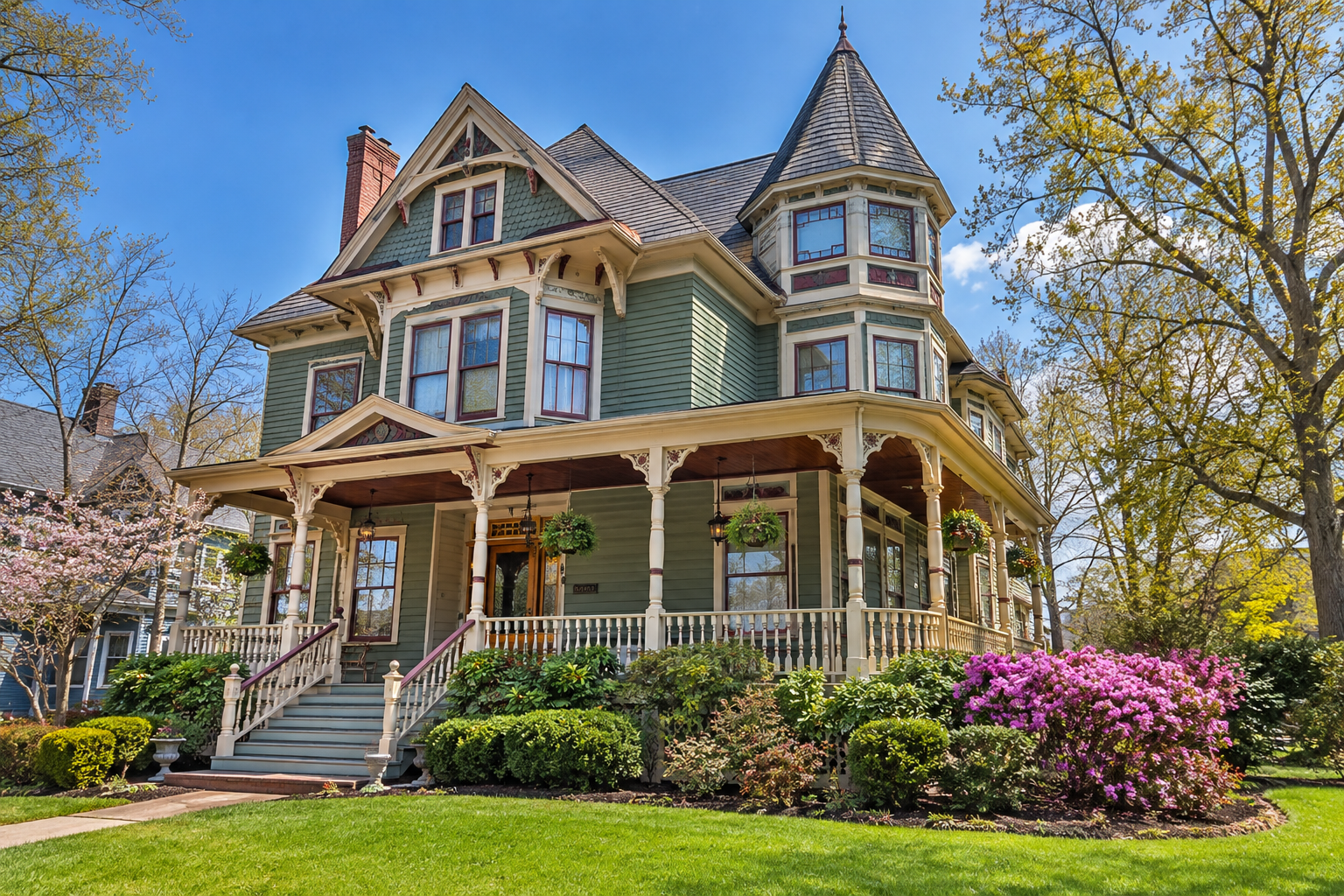
Plainfield is known for its historic residential neighborhoods, including the Van Wyck Brooks, Crescent Area, and Putnam-Watchung historic districts.
These communities contain homes representing architectural styles such as Queen Anne, Italianate, and Colonial Revival.
The city's historic character is an important part of what distinguishes it from many other New Jersey housing markets.
At the same time, redevelopment proposals can raise questions about how newer buildings relate to existing streets and properties.
A recent example involves Dudley House at 930 Putnam Avenue.
According to Preservation New Jersey's September 2026 report, the Plainfield City Council designated the property as an Area in Need of Redevelopment in July 2026.
Preservation advocates have raised concerns about the potential effect on the historic building.
The designation itself did not approve a specific construction proposal.
The debate highlights the importance of considering both housing needs and architectural preservation.
For homeowners in historic districts, preservation regulations may also affect which exterior changes are permitted.
My advice: If you own a historic property, understand its designation and applicable requirements before planning major improvements. Original architectural character may be one of your home's most appealing features.
7. Will New Development Raise Home Values in Plainfield?
New development can influence home values, but it does not automatically cause property prices to rise.
Real estate values respond to several factors, including housing supply, buyer demand, property condition, location, mortgage costs, and broader economic trends.
New investment can affect those factors in different ways.
For example, improvements to commercial areas may make certain locations more appealing to buyers.
Additional apartments may increase local housing supply.
Construction may introduce temporary disruptions.
And new retail or services may change how nearby properties are perceived.
The outcome depends on the project, the surrounding housing market, and the characteristics of individual homes.
For a homeowner in Plainfield, the more useful question isn't simply whether redevelopment will increase property values.
It's whether recent comparable sales, current competing listings, and buyer demand indicate a change in the market value of your particular property.
My advice: Don't base a listing price on redevelopment announcements alone. Review completed sales and current housing activity to determine what buyers are actually paying.
8. Should Plainfield Homeowners Sell Now or Wait for More Development?
There is no single right answer. Selling now or waiting depends on your financial goals, timing, property condition, and current local market conditions.
It's understandable to wonder whether future construction could make your home worth more.
But predicting the effect of redevelopment several years in advance is difficult.
Some projects proceed as planned, while others are revised or delayed.
Even completed developments may take time to influence surrounding real estate activity.
If you're thinking about selling, I recommend considering these questions:
- What is your home's current market value based on recent comparable sales?
- Are there new developments planned or underway near your property?
- How much competition exists among similar homes currently listed?
- Would completing repairs or improvements better position your home for sale?
- Does selling now support your personal and financial goals?
The answers provide a more useful basis for making decisions than speculation about future prices.
My advice: Start with what you know about your property and today's market. Then consider how nearby redevelopment fits into the larger picture.
9. How Can Sellers Position Their Homes in a Changing Plainfield Market?
A well-prepared home, supported by accurate pricing and thoughtful marketing, can make a strong impression even as the surrounding community changes.
If you're thinking about selling a Plainfield property, focus on the factors you can control.
Highlight your home's strongest features.
Original woodwork, attractive landscaping, updated kitchens, flexible living spaces, or thoughtfully maintained outdoor areas can help buyers appreciate what the property offers.
Address important repairs.
Complete practical maintenance work and gather documentation about significant improvements.
Understand nearby development.
Stay informed about confirmed projects and their possible effects on the immediate area.
Price with current market evidence.
Use recent comparable sales, active listings, and property condition rather than future development expectations.
Present the property professionally.
Strong photography, clear descriptions, and accurate information about nearby amenities can help buyers understand the home's appeal.
Most importantly, work from a plan that reflects your needs and timeline.
Plainfield's ongoing changes may create new questions for homeowners, but they also provide an opportunity to review how your property fits within the local market.

Thinking About Selling Your Plainfield Home? Let's Talk About What These Changes Mean for You.
Plainfield has long been recognized for its beautiful architecture, established neighborhoods, and distinctive residential character.
Now, new residential investment, downtown proposals, and transit-focused development are adding another chapter to the city's story.
For homeowners, these changes raise important questions.
Could nearby development affect your property's appeal? How does your home compare with current listings? And is this the right time to sell?
The best place to start is with a clear understanding of your home's current value and the market around it.
As a lifelong New Jersey resident and a real estate professional with Realty ONE Group, I appreciate the character of communities like Plainfield and understand how meaningful the decision to sell can be.
My priority is to listen to your goals, explain the market clearly, and help you create a thoughtful plan for your next move.
Curious What Your Plainfield Home Could Sell for in Today's Market?
Let's review recent sales, current competition, and the developments taking place near your property.
Together, we can identify the steps that make sense for your home, your timeline, and your selling goals.
Contact Christine Cederquist | Realty ONE Group
Christine Cederquist
Realty ONE Group
Phone: +1 908-380-3555
Email: CederquistRealty@gmail.com
Serving Plainfield and homeowners throughout Union, Morris, Middlesex, Somerset, and Essex Counties, New Jersey.
Bringing Your Dream Home
Information reflects published sources available through October 2026. Plans, approvals, unit counts, and construction schedules may change. No specific effect on future property values is guaranteed.
FAQs
Is Plainfield, NJ, experiencing new development?
Yes. Plainfield has seen several residential and mixed-use projects near its train stations and downtown areas. Some have been completed, while other projects remain approved, proposed, or in development.
Are new apartments being built near Plainfield's train stations?
Yes. Several completed and proposed apartment developments are located near Plainfield and Netherwood stations, reflecting investment in transit-oriented housing.
Will redevelopment increase property values in Plainfield?
It could influence values in certain areas, but increases are not guaranteed. Home prices depend on buyer demand, supply, property condition, financing conditions, location, and comparable sales.
Should I wait for new developments to finish before selling my Plainfield home?
Not necessarily. Waiting can involve uncertainty, and future development does not guarantee a higher sale price. A current market analysis can help you evaluate whether selling sooner or later makes sense.