Can More Housing Make New Jersey Town Centers Stronger?

Can More Housing Make New Jersey Town Centers Stronger?
How new residential development could support local businesses, strengthen downtown activity, and shape the future of New Jersey communities.
What makes a New Jersey downtown a place people enjoy visiting?
For some, it is the local coffee shop, an inviting restaurant, or a charming Main Street filled with independently owned businesses. For others, it is convenient train access, nearby parks, or the character of buildings that have been part of the community for decades.
Now, more towns are asking an important question: Could adding more housing near these downtown areas help make them stronger?
Across New Jersey, communities are considering new apartments, condominiums, and mixed-use buildings near established business districts and transportation hubs.
The idea is straightforward. When more people live near downtown businesses, there may be greater demand for shopping, dining, services, and public transportation.
But successful development takes thoughtful planning. More housing alone does not guarantee a stronger town center.
For New Jersey homeowners, understanding these changes is worthwhile, especially when considering how neighborhood improvements and buyer preferences may affect a future home sale.
Why Are New Jersey Towns Adding More Housing Near Downtown Areas?
New Jersey towns are considering additional housing near downtown districts to address housing needs while making better use of existing roads, transit stations, shops, and public services.
This planning approach is commonly associated with transit-oriented development.
According to the New Jersey Department of Transportation, transit-oriented development places housing, commercial properties, and other uses near public transportation, with attention to accessible streets and convenient connections.
Instead of placing every new residential development far from existing town centers, communities can consider locations that already have established infrastructure.
Potential benefits include:
- More housing choices: Apartments, condominiums, and other residential options that meet different space and budget needs.
- Additional customers for local businesses: More nearby households can create opportunities for repeat visits to shops, restaurants, and service providers.
- Greater use of existing transportation: Housing near train stations and bus routes may make public transit more practical.
- Better use of available land: Underused commercial properties and parking areas may offer redevelopment opportunities.
- More activity in downtown districts: Additional residents can help support businesses beyond traditional workday hours.
The results depend on each community's planning decisions, housing demand, and ability to support new development.

How Can More Housing Help Local Shops and Restaurants?
A successful downtown needs people who regularly use its businesses and services.
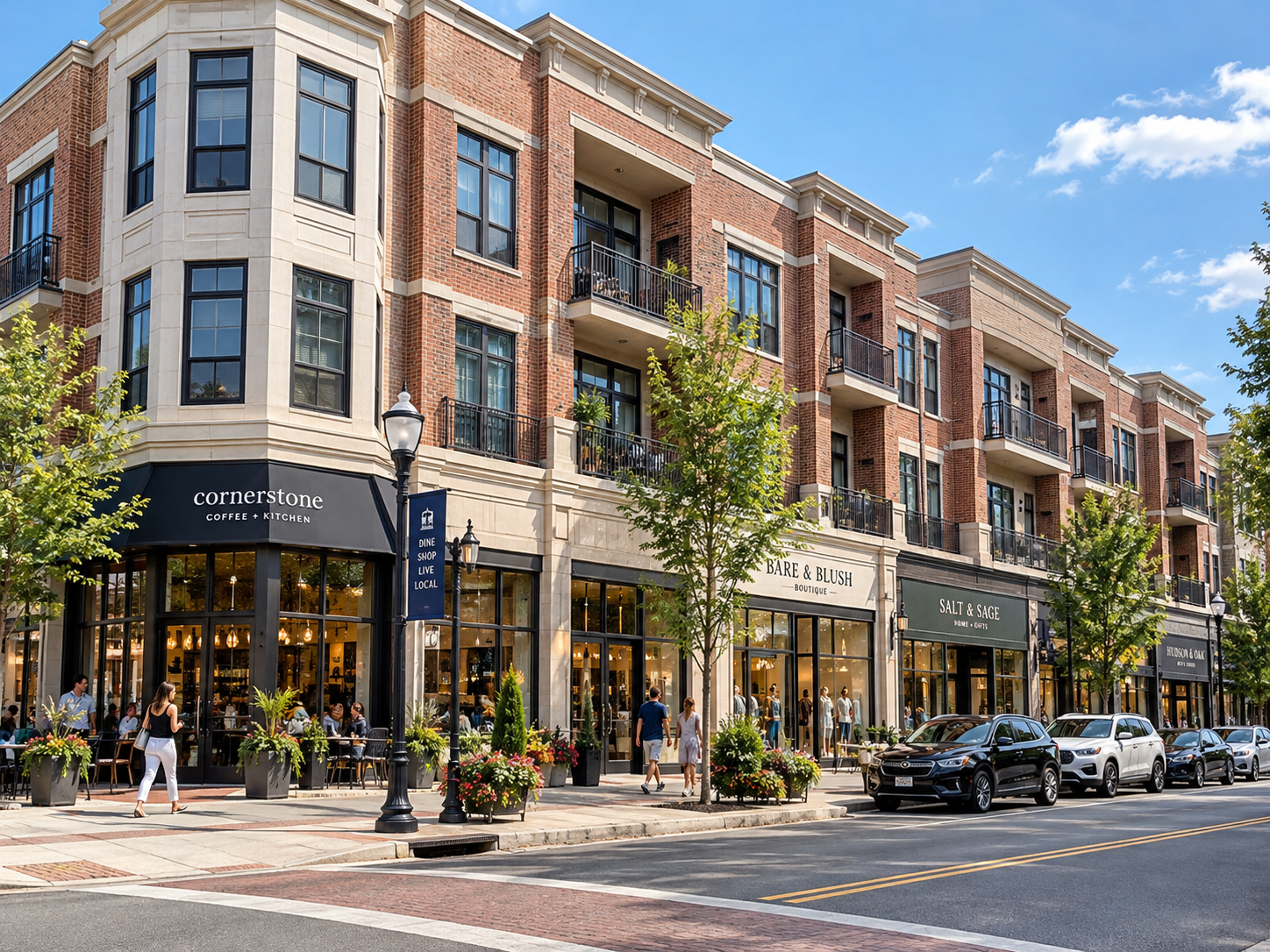
New housing near a town center can increase the number of potential customers living close to storefronts, restaurants, cafés, and neighborhood services.
Think about a downtown bakery that opens early in the morning.
People living nearby may stop in for coffee before heading to work. Others may visit local restaurants in the evening or shop at independently owned stores over the weekend.
Over time, this everyday activity can help create a more consistent customer base.
For business owners, having customers nearby may be particularly valuable in districts where shopping activity previously depended heavily on visitors from surrounding areas.
However, additional residents do not automatically guarantee higher retail sales. Business success also depends on affordability, customer preferences, available parking, storefront costs, and the types of services offered.
The New Jersey Department of Transportation's Transit Village Initiative supports downtown revitalization through compact development that includes housing, commercial activity, and transit access.
What Role Does Public Transportation Play in Stronger Town Centers?
Public transportation can make town center housing more convenient while helping communities connect residential areas with shopping, employment, and services.
New Jersey already has an extensive network of rail stations and bus routes that serve established downtown districts.
When housing is located near these transportation options, residents may have more choices for commuting and completing everyday activities.
Communities may also benefit when redevelopment projects improve sidewalks, lighting, streetscapes, bicycle access, and connections between stations and surrounding businesses.
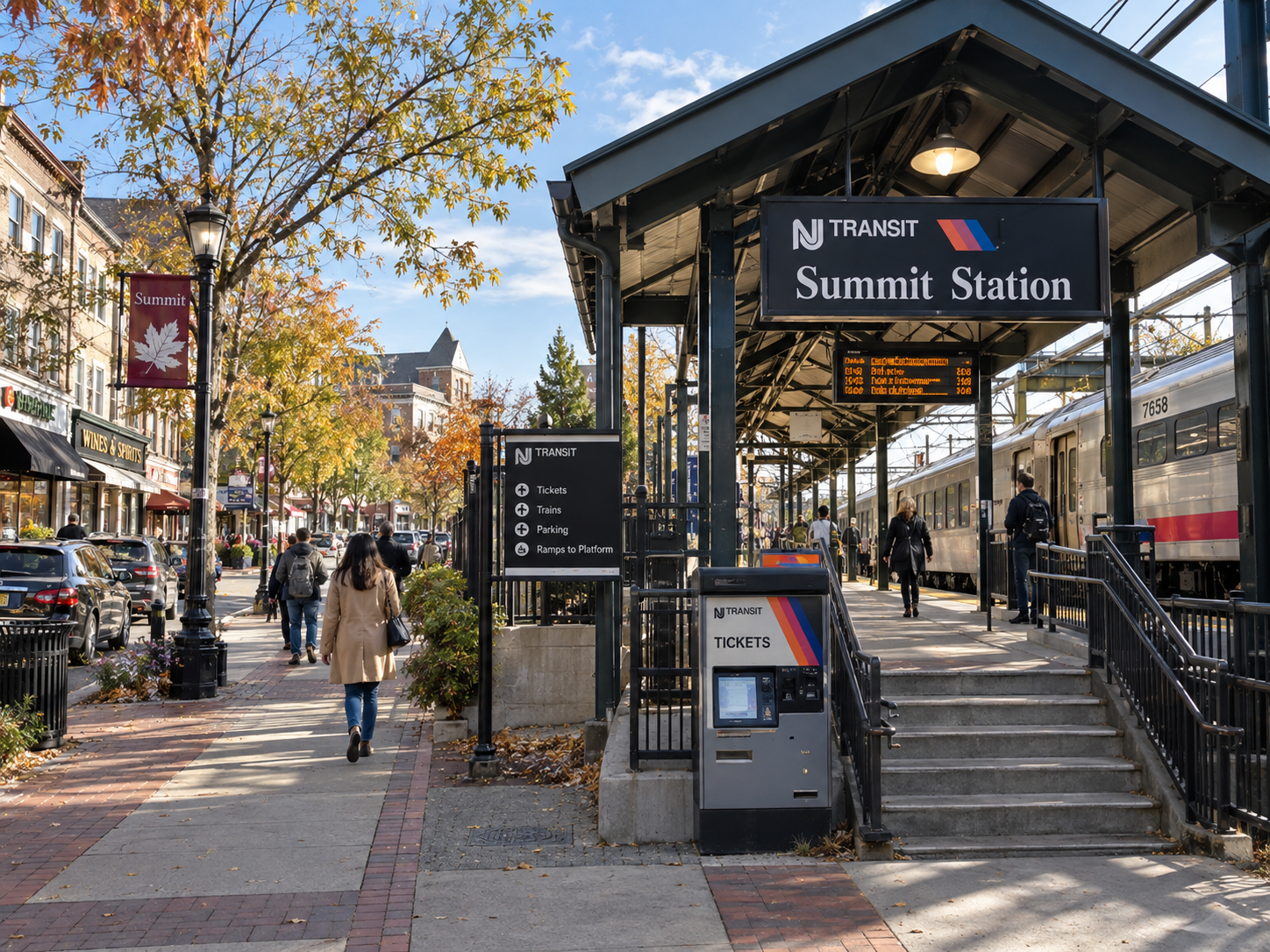
The state's Transit Village Initiative recognizes municipalities that have committed to planning around transit facilities.
These include several communities within Christine Cederquist's North and Central New Jersey service area:
- Cranford, Union County: Designated a Transit Village in 2003.
- Rahway, Union County: Designated in 2002.
- Summit, Union County: Designated in 2013.
- Metuchen, Middlesex County: Designated in 2003.
- Somerville, Somerset County: Designated in 2010.
- Morristown, Morris County: Designated in 1999.
- South Orange, Essex County: Designated in 1999.
These designations reflect commitments to transit-focused planning, not necessarily the completion of every proposed project.
Each of these communities has its own architectural character, commercial districts, transportation options, and local planning priorities.
Are New Housing Projects Already Being Considered in New Jersey?
Yes. State and local agencies continue to consider projects that place residential development near existing transportation and downtown services.
One recent example involves the City of Linden in Union County.
In July 2026, state officials announced a request for development proposals for a commuter parking lot near Linden's train station.
The goal is to consider additional housing near public transit, while addressing related features such as pedestrian connections, commuter facilities, and the surrounding development area.
Another proposal involves land near Bayonne's 34th Street Light Rail Station. State agencies are seeking development that could include residential units, ground-floor commercial space, public areas, and transportation improvements.
Both projects illustrate how state-owned land near existing transit facilities may be considered for future housing and commercial uses.
These are redevelopment initiatives in the proposal process, and their final designs, schedules, and outcomes are not guaranteed.
Can More Housing Help Address New Jersey's Housing Needs?
Additional housing can give communities more options for addressing demand, particularly when development includes a range of home types and price points.
New Jersey's housing discussions are not limited to market-rate apartments and condominiums. Affordable housing is also a major part of statewide planning.
In March 2024, New Jersey updated its affordable housing law, establishing a revised process for determining municipal obligations.
The current fourth-round planning period covers 2025 through 2035.
The New Jersey Department of Community Affairs publishes guidance and calculations to help municipalities plan for their affordable housing responsibilities.
Adding housing near existing town centers may be one way for municipalities to address these needs while considering access to transportation, jobs, and services.
The appropriate location, number of units, and housing types will vary by town.

What Challenges Should Communities Consider Before Adding More Housing?
Although additional housing can create opportunities, development must be planned around existing community needs.
Residents and local officials may have questions about:
- Traffic and parking: How additional residents and visitors will affect existing roads and parking availability.
- Infrastructure: Whether water, sewer, stormwater, and other public systems can support new development.
- Building scale: How the height and design of new buildings will relate to surrounding architecture.
- Public services: Whether transportation, recreation facilities, and other municipal services can accommodate changes.
- Housing affordability: Whether proposed developments address a range of housing needs.
These are reasonable considerations that deserve careful public review.
A thoughtfully planned housing project should account for the town's existing character while responding to changing housing demand.
Adding more homes is only one part of the process. The quality of the planning matters just as much.
Could Additional Downtown Housing Affect Existing Home Values?
New residential development may influence local real estate conditions, but it does not automatically increase or decrease the value of nearby homes.
Some prospective buyers appreciate properties located near restaurants, shopping, transportation, and community amenities.
Others may place greater importance on lot size, privacy, parking, outdoor space, or distance from commercial activity.
As a result, the potential effect of downtown development varies from one property to another.
For example, a well-maintained home with convenient access to an established town center may appeal to buyers who value nearby amenities.
However, a substantial increase in local housing inventory could also change buyer choices and competition, particularly among comparable property types.
The best way to understand your home's position in the market is to review recent local sales, current listings, property condition, and buyer demand.
Future development plans can provide useful context, but they should never replace an analysis of actual market activity.
What Should New Jersey Homeowners Know Before Selling?
If you are considering selling your home in Union, Morris, Middlesex, Somerset, or Essex County, changes in nearby town centers are worth paying attention to.
A new apartment development, renovated commercial district, or planned transportation improvement may influence how prospective buyers view the surrounding area.
However, the strongest selling strategy starts with understanding your particular property.
Before putting your home on the market, consider these steps:
- Review recent comparable sales. Understand what similar homes in your area have actually sold for.
- Look at local development plans. Check whether nearby projects are proposed, approved, under construction, or completed.
- Identify your home's strongest features. Highlight practical details such as condition, layout, updates, outdoor space, and access to amenities.
- Prepare your home thoughtfully. Address repairs and presentation details that could make a positive impression on buyers.
- Choose a pricing strategy based on current conditions. Avoid relying on predictions about how future development might change property values.
Selling a home involves financial decisions, timing considerations, and plenty of details.
Having knowledgeable guidance can make those decisions easier to manage.
Will More Housing Make New Jersey Town Centers Stronger?
More housing has the potential to help New Jersey town centers by bringing additional customers closer to local businesses, making use of existing transportation services, and providing more residential choices.
But successful downtown growth depends on more than the number of new units built.
Communities also need thoughtful planning, useful public spaces, transportation connections, and an understanding of how development affects existing properties and businesses.
For homeowners, these projects are worth following because they can influence the features buyers appreciate and the options available in the local real estate market.
Whether you live close to a downtown district or in an established residential neighborhood, understanding what is happening in your community can help you make more informed decisions about your property.

Curious What These Changes Could Mean for Your Home?
New Jersey communities continue to grow and change, and understanding the local real estate market is an important part of making confident decisions.
If you've been thinking about selling your home, you may be wondering whether nearby housing development, downtown improvements, or transportation access could affect its appeal to buyers.
That's where I can help.
As a lifelong New Jersey resident and real estate professional, I understand the character of our local communities and the details that matter when preparing a home for sale.
My approach focuses on clear communication, thoughtful home preparation, strategic pricing, and making the selling process as manageable as possible.
Wondering what your home could sell for in today's market?
Let's connect for a personalized home value conversation. We'll discuss recent sales, local market activity, your home's strongest features, and a selling plan that supports your goals.
Christine Cederquist
Realty ONE Group
Phone: +1 908-380-3555
Email: CederquistRealty@gmail.com
Ready to talk about your selling goals? I'm here to help you take the next step with confidence.
FAQs
Does adding more housing help downtown businesses?
It can. Additional housing near shops and restaurants may create a larger local customer base. Actual business performance depends on spending patterns, commercial rents, business mix, and other economic conditions.
What is mixed-use development?
Mixed-use development includes multiple property uses, such as residential apartments, retail stores, offices, or restaurants, within the same building or development area.
Which New Jersey towns are known for transit-oriented planning?
Cranford, Rahway, Metuchen, Summit, Somerville, Morristown, and South Orange are among the municipalities recognized through New Jersey's Transit Village Initiative.
Should homeowners sell before new development is completed?
There is no single answer. The decision should depend on your financial goals, timeline, current market conditions, and the potential effect of nearby construction or completed projects.