Are New Jersey Downtowns the Next Real Estate Hotspots?

Are New Jersey's Downtowns Becoming the Next Real Estate Investment Hotspots?
Could New Jersey's downtown communities become some of the most interesting places to watch in real estate? With new housing, transit-focused development, and investments in local business districts, several towns are attracting attention for reasons that go beyond their residential properties.
From Plainfield and Linden in Union County to Morristown in Morris County and Somerville in Somerset County, downtown redevelopment is helping shape conversations about housing demand, investment, and community growth.
For homeowners, these changes raise an important question: Could living near a growing downtown influence your property's value?
The answer is potentially yes, but not automatically.
New development can introduce additional housing options, support local businesses, and improve access to amenities. It can also create more competition among properties and change the way buyers compare locations.
If you're considering selling your New Jersey home, understanding these trends can help you make better decisions about pricing, timing, and marketing.
Let's take a closer look at what's happening.
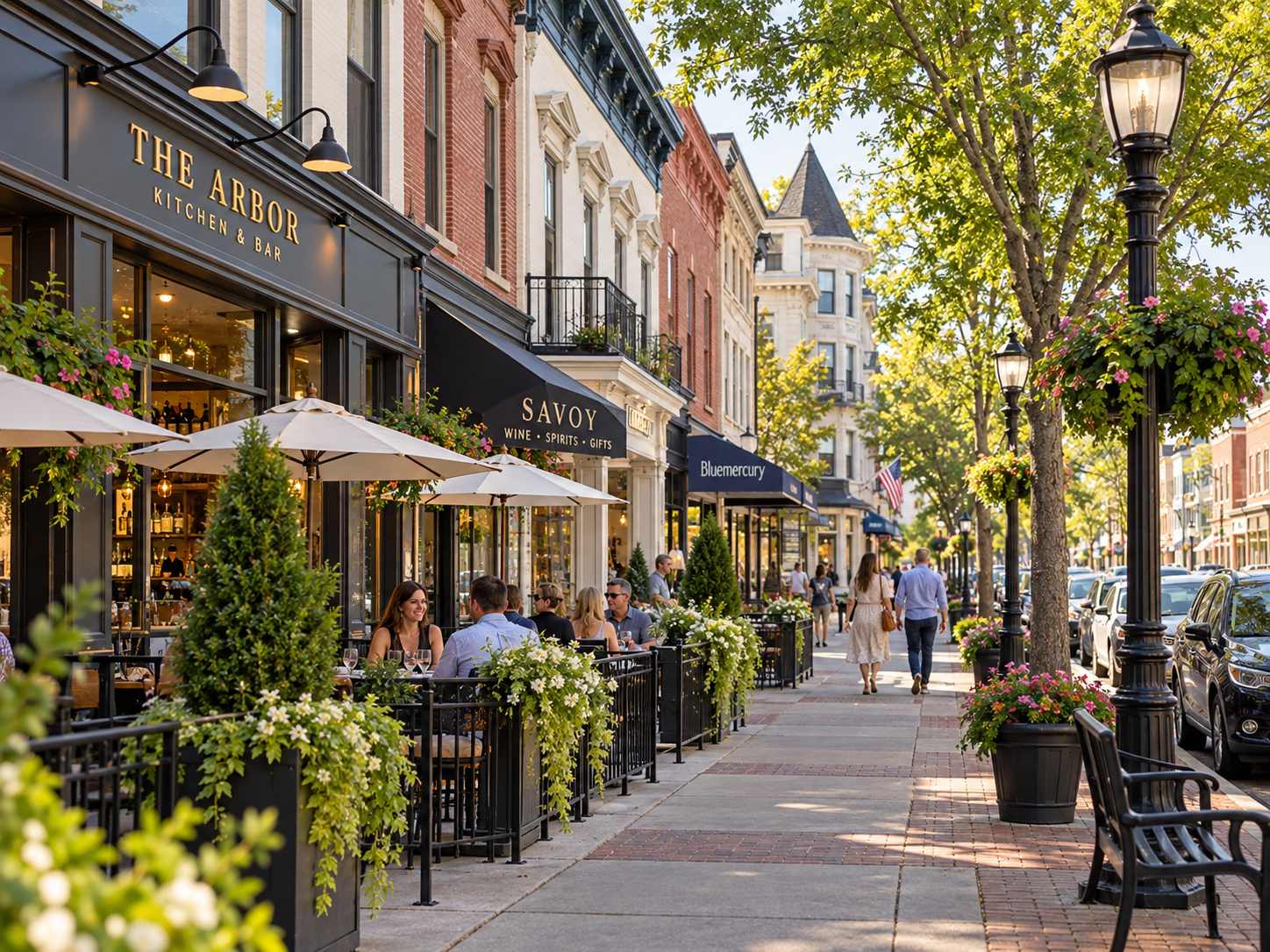
1. Why Are New Jersey Downtowns Attracting More Real Estate Investment?
Downtown areas are receiving attention because they offer established infrastructure, nearby businesses, transportation access, and opportunities to create additional housing.
Rather than developing entirely new residential areas, some investors and municipalities are focusing on properties near existing train stations and commercial districts.
This approach can make use of established roads, public transportation, and nearby amenities.
According to Rutgers University's May 2026 report on New Jersey housing development, New Jersey produced nearly 180,000 housing units between 2020 and 2024, its strongest five-year period of housing production since the 1980s.
The research also identified a growing concentration of multifamily and mixed-use housing near commuter rail stations and established downtown areas.
Communities such as Somerville, Rahway, Elizabeth, New Brunswick, and Perth Amboy were identified as important examples of this shift.
This doesn't mean every downtown property is increasing in value.
However, the research shows that residential investment is increasingly concentrated around existing transportation and commercial centers.
My advice: If you own a property near a downtown district, pay attention to both new development and recent home sales. These factors can help you understand how your property compares with current market options.
2. How Does Transit Access Influence Downtown Real Estate?
Convenient access to public transportation can be an important consideration for buyers evaluating where to purchase a home.
Many New Jersey communities benefit from established NJ TRANSIT rail and bus connections.
For buyers who regularly travel to employment centers or other destinations, access to transportation may influence which locations they consider.
This is one reason transit-oriented development has become a focus of state investment.
According to NJ TRANSIT's Transit-Oriented Development program, development near transit stations is intended to increase housing options, support local economic activity, and connect residents with nearby services.
The New Jersey Economic Development Authority has also established an initiative to develop underused property near transit stations.
For homeowners, this may create opportunities to highlight an existing property's location.
For example, a home with convenient access to a downtown train station may appeal to buyers who value nearby transportation, dining, and shopping options.
However, access to transportation doesn't guarantee a higher sale price.
Property condition, taxes, square footage, price range, and competing listings still matter.
My advice: When preparing your home for sale, highlight accurate transportation information and nearby amenities. Buyers should understand the practical conveniences your location offers.

3. Which New Jersey Downtowns Are Seeing Notable Development Activity?
Several New Jersey communities provide examples of how residential and commercial investment is changing downtown areas.
These are locations with documented redevelopment activity, not a ranking of future investment returns.
Plainfield, Union County
Plainfield is known for its historic residential architecture, established neighborhoods, and downtown commercial district.
In November 2024, the New Jersey Department of Community Affairs announced that Plainfield had been designated as a Main Street New Jersey district.
The program provides technical assistance and support for downtown revitalization, commercial improvements, and historic preservation.
This designation reflects an organized effort to strengthen the city's traditional business district.
For homeowners, downtown improvements may contribute to buyer interest in surrounding areas, although the effect on individual home prices will vary.
Linden, Union County
Linden is another community receiving attention for transit-focused development.
In July 2026, the New Jersey Economic Development Authority and NJ TRANSIT announced a redevelopment initiative involving a commuter parking lot at 101 West Elizabeth Avenue near Linden Station.
The initiative seeks development proposals for a residential community near existing transportation and downtown businesses.
The project was in the proposal process at the time of the announcement, so its final design and construction schedule were not yet established.
For Linden homeowners, the project is an example of how state-owned land may be considered for additional housing and economic activity.
Morristown, Morris County
Morristown's downtown continues to attract redevelopment proposals.
In August 2026, the town announced the conditional designation of SJP Properties as redeveloper of several downtown properties near Morristown Green.
According to SJP Properties' project announcement, the proposed development includes approximately 200 residential units and 120,000 square feet of commercial space.
This was a proposed project, not a completed development.
The plans illustrate how established downtown properties may be considered for new residential and commercial purposes.
For nearby homeowners, these changes are worth following as part of the local housing market.
Somerville, Somerset County
Somerville offers another example of transit-related redevelopment.
According to the North Jersey Transportation Planning Authority's July 2026 report, new townhouses and apartment buildings have been constructed on former parking lots and previously used industrial properties near Somerville Station.
This type of redevelopment introduces additional housing options within an existing downtown community.
For sellers, the growing variety of housing choices makes it especially important to understand how a particular property compares with nearby homes and apartments.
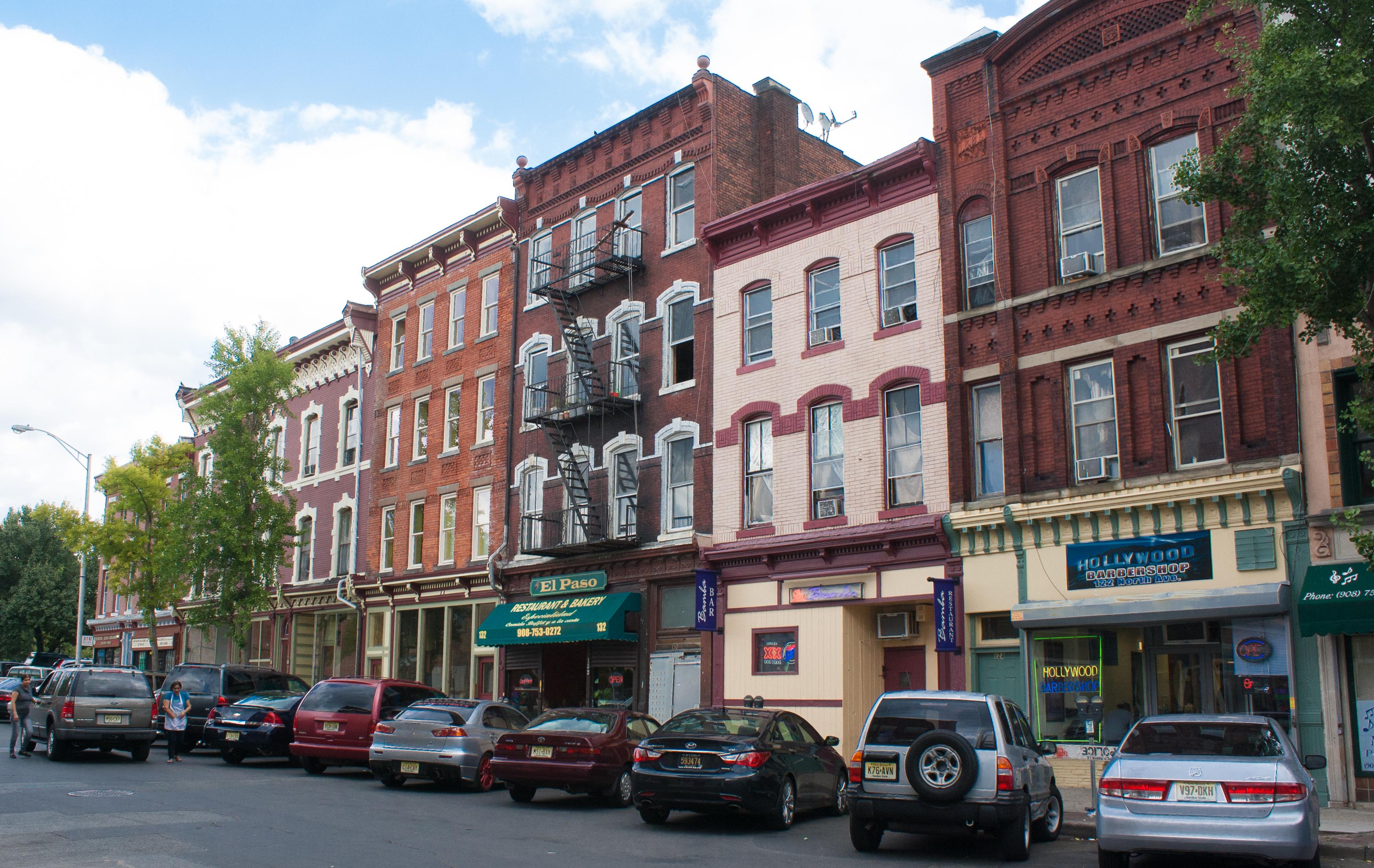
4. Could Downtown Improvements Increase Nearby Home Values?
Downtown improvements may influence surrounding real estate values by changing buyer interest, access to amenities, and the availability of housing. However, appreciation is never guaranteed.
Consider what happens when a downtown gains new businesses, refreshed storefronts, additional housing, or improved public spaces.
These changes may make the area more attractive to certain buyers.
A home near established restaurants, parks, shops, and public transportation may offer conveniences that buyers consider during their search.
The New Jersey Department of Community Affairs' Main Street New Jersey program focuses on improving the economic strength and appearance of traditional business districts.
Its programs support local business activity, commercial property improvements, and historic preservation.
While these efforts can contribute to community development, they don't establish a direct increase in the value of every nearby property.
Housing values also respond to:
- Recent comparable sales
- Current buyer demand
- Property condition and improvements
- Competing housing inventory
- Mortgage costs and affordability
- Property taxes and ongoing ownership expenses
My advice: Before assuming downtown development has increased your home's value, review what comparable properties have actually sold for. Real market evidence is more useful than speculation about future growth.
5. How Can New Downtown Housing Affect Existing Homeowners?
Additional downtown housing creates more choices for buyers and renters, which can influence competition across different property types.
Some buyers may prefer an apartment or townhouse near shopping and transportation.
Others may place greater value on a detached home with outdoor space, original architecture, or a larger interior layout.
For example, an older Colonial in Westfield may offer features that differ significantly from a newly constructed apartment near a transit station.
Both properties can be appealing, but often for different practical reasons.
When new housing becomes available, buyers may compare properties based on maintenance needs, location, total ownership costs, and available space.
For homeowners preparing to sell, understanding these comparisons matters.
If a newly constructed property offers updated appliances and modern finishes, an existing home may stand out for its lot size, character, room layout, or established landscaping.
My advice: Focus on what your property genuinely offers rather than trying to compete with every feature of new construction. A thoughtful marketing plan should highlight the home's strengths and explain its value clearly.
6. Are Downtown Properties Automatically Good Real Estate Investments?
No. A growing downtown may offer opportunities, but a desirable location alone doesn't guarantee profitable real estate investment.
Investment results depend on the purchase price, ongoing expenses, property condition, financing, and local demand.
For rental properties, investors also need to consider achievable rental income, vacancy periods, maintenance, taxes, insurance, and applicable regulations.
For homeowners, financial considerations are different.
The primary question may be whether nearby downtown activity could affect resale value or the property's appeal to future buyers.
It's also important to consider potential challenges.
New construction can introduce additional traffic, parking demand, temporary disruptions, and competing housing supply.
A successful downtown investment strategy should account for both opportunities and costs.
My advice: Whether you're considering purchasing an investment property or selling your existing home, evaluate the numbers carefully. A promising development announcement should never replace financial research and a review of local market conditions.
7. How Important Is Historic Architecture to New Jersey Downtowns?
Historic architecture contributes to the character of many New Jersey downtowns and can remain an important part of redevelopment efforts.
Communities such as Plainfield, Morristown, Summit, and Westfield feature architectural details and traditional streetscapes that reflect different periods of New Jersey's development.
Historic commercial buildings, distinctive storefronts, and established residential architecture can help give downtown areas their recognizable identity.
New development doesn't necessarily require replacing these features.
The New Jersey Historic Preservation Office identifies preservation-based downtown revitalization as one approach to supporting economic activity while maintaining established architectural character.
For homeowners with older properties, original woodwork, historic details, mature landscaping, and thoughtful maintenance may contribute to buyer interest.
These features should be accurately represented in marketing materials.
My advice: If your home has architectural character, highlight it. Well-maintained original details can help buyers appreciate what makes the property different from newer construction.

8. What Should Homeowners Watch Before Selling Near a Growing Downtown?
Homeowners can make more informed selling decisions by looking at completed improvements, active construction, and recent comparable sales rather than relying on development announcements alone.
If you're considering listing your home in 2026 or 2027, I recommend reviewing five areas:
1. Recent home sales.
Look at what similar homes have sold for in your immediate area.
2. New residential construction.
Identify completed, under-construction, and proposed properties near your home.
3. Downtown business activity.
Pay attention to storefront occupancy, newly opened businesses, and improvements to established commercial areas.
4. Transportation and public improvements.
Review confirmed changes to train stations, roads, parking, and public spaces.
5. Competing listings.
Understand how your property compares with other homes buyers can currently purchase.
Together, these factors provide a more complete picture of your home's position in the market.
For homeowners throughout Union, Morris, Middlesex, Somerset, and Essex Counties, local knowledge is particularly important because housing conditions can vary considerably from one community to another.
9. Should You Sell Your Home Now or Wait for Downtown Development?
The right decision depends on your goals, financial circumstances, and current property value, not simply whether nearby construction is planned.
It's understandable to wonder whether a completed redevelopment project could make your home worth more.
But future property values are difficult to predict.
Projects may be delayed, revised, or completed on different schedules than originally announced.
Even when development moves forward, the effect on surrounding housing values may vary.
If you're thinking about selling, start with your own situation.
What is your home worth based on current comparable sales?
Are there repairs or updates you should consider before listing?
How much competition exists among similar homes?
Does your personal timeline support moving now, or would additional preparation time be helpful?
A well-informed decision should reflect your priorities and the actual conditions in your market.
My advice: You don't have to predict the future of downtown redevelopment to make a smart real estate decision. Start with an accurate understanding of your home's value today.

Thinking About Selling Your New Jersey Home Near a Growing Downtown? Let's Talk.
New Jersey's downtown communities are receiving attention for their housing investment, transportation connections, established businesses, and architectural character.
For homeowners, those changes may create opportunities, but understanding what they mean for an individual property requires more than following redevelopment headlines.
The best place to start is with your home's current market value, recent comparable sales, and a thoughtful plan for selling.
As a lifelong New Jersey resident and real estate professional with Realty ONE Group, I appreciate the distinctive character of the communities I serve.
I also understand that selling your home is an important decision, and you deserve clear information before deciding what comes next.
My priority is to listen to your goals, explain your options, and help you prepare your property with confidence.
Whether you own a historic home near downtown Plainfield, a Colonial in Westfield, or a property in Morris, Middlesex, Somerset, or Essex County, I'm here to help you understand the local market.
Curious What Your Home Could Sell for as Your Downtown Community Changes?
Let's review recent sales, nearby development activity, and the features that make your property appealing to today's buyers.
Together, we can create a practical selling plan that supports your goals and helps you work toward a strong result.
Contact Christine Cederquist | Realty ONE Group
Christine Cederquist
Realty ONE Group
Phone: +1 908-380-3555
Email: CederquistRealty@gmail.com
Bringing Your Dream Home
Sources reflect information published through October 2026. Proposed developments may change, and future investment performance or property appreciation is not guaranteed.
FAQs
Are New Jersey downtowns becoming popular for real estate development?
Several are attracting new residential and mixed-use investment, particularly near transit stations. Rutgers University research identifies Central Jersey rail communities as important locations for recent housing construction.
Which New Jersey downtowns are seeing redevelopment?
Documented examples include Plainfield, Linden, Morristown, and Somerville. The projects vary in status, with some completed and others still proposed or undergoing approval.
Are downtown New Jersey properties good investments?
Some may be, but results depend on purchase price, expenses, rental or resale demand, and market conditions. Every property requires its own financial evaluation.
Should I wait for nearby redevelopment before selling?
Not necessarily. Development timelines and future property values are uncertain. A current market analysis can help you decide whether selling now or later better supports your goals.